The value of a template is not that it magically creates a culture. Instead, it gives a team a repeatable structure for turning abstract ideas into decisions. A useful framework can help answer questions such as: What do we believe? What behaviors prove those beliefs? Which audiences should recognize themselves in the brand? How should marketing communicate the brand consistently? Which actions would be considered off-brand?
Brand culture also needs to be distinguished from culture marketing. Brand culture primarily concerns the internal and external expression of a brand’s beliefs, behaviors, standards, and identity. Culture marketing focuses more directly on understanding and participating in cultural contexts, communities, values, moments, or conversations that matter to an audience. These ideas overlap, but they are not identical.
Research into brand culture and culture marketing consistently emphasizes the importance of authenticity, consistency, audience understanding, and translating values into observable behavior. A culture statement that exists only in a presentation is much less useful than a framework that influences product decisions, customer experience, hiring, communication, content, partnerships, and everyday marketing choices. :contentReference[oaicite:0]{index=0}
This guide explains how to design, complete, evaluate, and maintain a marketing brand culture Template. It also examines common formats, research methods, examples, measurement approaches, practical implementation, and ways to adapt the framework for Word, Google Docs, PowerPoint, Excel, PDF, and other working environments.

What Is a Marketing Brand Culture Template?
A marketing brand culture Template is a structured planning document used to define the relationship between a brand’s purpose, values, behaviors, identity, audience, communication style, and marketing activity. It can be as simple as a one-page worksheet or as detailed as a multi-section brand culture manual. The right level of detail depends on the size of the organization, the complexity of the brand, and how many people need to use the framework.
At its most useful, the template connects three layers. The first is what the brand believes. The second is how those beliefs become behavior. The third is how that behavior becomes visible to customers and communities through products, services, communication, experiences, content, partnerships, and marketing campaigns.
For example, suppose a fictional software company chooses “clarity” as a core value. Simply writing “We value clarity” is not enough. A stronger template defines what clarity means in practice: simple pricing, plain-language documentation, transparent product limitations, concise customer support, and marketing claims that avoid unnecessary complexity. The value becomes useful because it is connected to observable actions.
A marketing brand culture Template can therefore function as a bridge between brand strategy and execution. It gives marketers a reference point when developing campaigns, writers a tone guide when producing content, designers a visual and verbal context, and managers a framework for evaluating whether decisions reinforce or weaken the desired brand culture.
Templates also create consistency. When several teams interpret the same brand differently, customers may receive contradictory signals. A structured document reduces that risk by defining the central principles before individual teams create their own campaigns or materials. Brand guidelines resources commonly combine mission, values, personality, voice, visual standards, and application examples for this reason. :contentReference[oaicite:1]{index=1}
What Is Brand Culture?
For anyone asking what is brand culture, the simplest useful answer is that brand culture is the lived expression of what a brand believes and how those beliefs influence behavior. It is not limited to an internal employee handbook. It can be expressed through customer interactions, product choices, communication style, leadership decisions, partnerships, community participation, visual identity, and the standards a company refuses to compromise.
Brand culture is closely related to organizational culture, but the two concepts are not necessarily interchangeable. Organizational culture describes the patterns of behavior and shared assumptions inside an organization. Brand culture connects those internal patterns to the identity and experience a brand wants to create externally. A company may have a strong internal culture while still having an unclear or inconsistent public brand expression.
Strong brand culture usually has recognizable principles. People can describe what the brand values, but more importantly, they can identify how those values affect decisions. If a company claims to value accessibility, for example, its website, customer support, product design, content, and marketing should provide evidence of that commitment.
Brand culture becomes especially important when a business grows. A small team can often communicate informally, but larger teams need shared reference points. Without them, different departments may make reasonable decisions that nevertheless produce an inconsistent brand experience.
A template helps turn this invisible system into something that can be discussed, revised, taught, and audited. It does not replace judgment or leadership, but it makes assumptions visible enough for a team to challenge them and improve them.
Why Brand Culture Matters to Marketing
Marketing often receives the most visible responsibility for expressing a brand, but marketers cannot create credible culture through communication alone. If campaigns promise simplicity while the purchasing process is confusing, the audience experiences a contradiction. If advertising claims transparency while important conditions are difficult to find, the cultural message becomes less credible.
Brand culture gives marketing a deeper source of consistency. Instead of inventing a personality for every campaign, marketers can work from stable principles and adapt their execution to the audience and channel.
This is particularly useful for content marketing. A content team can use the culture framework to determine whether a topic is appropriate, which perspective the brand should take, how strongly it should express an opinion, and what tone should be maintained.
The same principle applies to social media. A culture framework should not become a rigid script that prevents natural conversation. Instead, it should establish boundaries: what the brand supports, what it avoids, how it responds to criticism, how it speaks to customers, and which behaviors demonstrate respect.
Culture also helps marketing teams evaluate opportunities. A partnership, sponsorship, trend, creator collaboration, or cultural moment may look attractive because it offers exposure. The better question is whether participation makes sense for the brand’s existing values and the community involved. Culture marketing experts emphasize the difference between superficial trend participation and genuine cultural understanding. :contentReference[oaicite:2]{index=2}
Core Components of a Marketing Brand Culture Template
1. Brand Purpose
Purpose explains why the brand exists beyond simply generating transactions. A useful purpose statement should describe the meaningful problem, change, or contribution the organization is trying to make.
A weak purpose might say, “We provide high-quality software solutions.” That describes an offering but says little about the reason behind the organization.
A stronger fictional example might be: “We make complex business reporting easier for small teams so they can make confident decisions without building complicated systems.” This gives marketing a clearer foundation for messaging and content.
2. Vision
Vision describes the desired future state. It should be ambitious enough to guide long-term thinking but concrete enough to influence priorities.
The vision can help marketing teams decide what stories deserve emphasis. If a brand wants to become known for practical education, its content strategy should demonstrate that ambition rather than relying entirely on promotional messages.
3. Mission
Mission translates purpose into a more operational statement. It explains what the organization does, for whom, and through what general approach.
Mission, vision, and values should not be treated as decorative copy. They become useful when they influence choices about products, customer experience, content, partnerships, hiring, and communication.
4. Core Values
Core values describe the principles that should guide decisions. A practical template should include the value, a plain-language definition, examples of desired behaviors, examples of unacceptable behaviors, and evidence that the value is being practiced.
Keeping the list focused is important. A company that selects fifteen equally important values may have difficulty using them as decision criteria. Three to five meaningful values are often easier to remember and translate into action.
5. Behavioral Standards
Values become powerful when they are connected to behavior. For every value, ask: “What would a customer actually see if we were living this value?” The answer might involve response times, product design, writing style, pricing transparency, environmental practices, accessibility, or customer service.
6. Brand Personality
Personality defines the character of the brand. Possible characteristics might include thoughtful, direct, curious, energetic, practical, reassuring, adventurous, or precise.
Personality should influence language and creative decisions without becoming a collection of vague adjectives. A useful template explains what each chosen characteristic means and what it does not mean.
7. Brand Voice and Tone
Voice is the consistent character of communication, while tone can change according to context. A brand may have a confident voice but use a more empathetic tone when addressing a customer problem.
A voice worksheet becomes more useful when it includes “do” and “don’t” examples. For example, “clear and confident” might mean using short explanations and direct recommendations while avoiding exaggerated claims or unnecessary jargon.
8. Audience and Community Context
A culture-centered brand framework should not define audiences only by age, location, or income. Those factors may matter, but marketers also need to understand behaviors, motivations, identities, communities, cultural references, expectations, frustrations, and shared meanings.
This distinction matters because two people with similar demographic characteristics can interpret the same message very differently. Cultural context can affect which stories feel relevant, which symbols carry meaning, and which forms of communication build trust.
9. Brand Experience
The template should identify important customer touchpoints. Consider the website, packaging, onboarding, support, email, social media, advertising, sales conversations, events, documentation, and post-purchase communication.
For each touchpoint, ask whether the intended culture is visible. This transforms the document from a statement of aspiration into a practical quality-control tool.
10. Marketing Expression
Finally, connect culture to marketing. Document the content themes, campaign principles, storytelling style, creative boundaries, community behaviors, and partnership criteria that should guide marketing execution.
Creating Brand Values and Culture Step by Step
Step 1: Start With Evidence
The first mistake many organizations make is choosing attractive values before investigating what the brand already represents. Begin with evidence from customers, employees, leadership, existing content, product decisions, reviews, support interactions, and competitive positioning.
Look for repeated themes. What do customers praise? What do employees say makes the company different? Which behaviors are rewarded internally? What does the brand consistently refuse to do?
These observations help distinguish genuine values from aspirational language. If a company has consistently solved difficult problems through practical experimentation, “practical innovation” may be more authentic than simply declaring “innovation” because it sounds modern.
Existing brand materials can also reveal inconsistencies. Compare website copy, sales presentations, advertising, social posts, product pages, and customer-service language. If each uses a different personality, the culture framework needs to address that gap.
A useful discovery stage therefore asks not only “What should our brand stand for?” but also “What evidence suggests this is already true?”
Step 2: Gather Stakeholder Input
Leadership should participate, but leadership should not be the only source of information. Employees who interact with customers often understand the lived culture differently from executives.
Use interviews, workshops, questionnaires, customer feedback, review analysis, and existing performance data. Ask participants to describe the brand in their own words rather than presenting a predetermined list of values.
For example, ask: “What should customers always be able to expect from us?” “What behavior would never feel right for this brand?” “What do we do better than competitors?” and “What do we want people to say about us after an interaction?”
Qualitative answers can then be grouped into themes. Repeated concepts such as honesty, simplicity, care, curiosity, craftsmanship, or speed may indicate deeper cultural patterns.
The purpose is not to conduct a scientific survey unless the project requires one. The goal is to collect enough structured evidence to avoid defining culture entirely through assumptions.
Step 3: Define Each Value Operationally
Once a short list of values emerges, define each value in practical terms. A strong entry can contain five fields: value name, meaning, desired behaviors, undesired behaviors, and proof points.
For example, consider the value “clarity.” Meaning: “We make complex decisions easier to understand.” Desired behaviors: plain language, transparent pricing, concise explanations, and visible assumptions. Undesired behaviors: hidden conditions, unnecessary jargon, or intentionally confusing interfaces.
This structure makes values useful to marketers. When a writer creates an article, the question becomes whether the article makes a complex subject easier to understand. When a designer creates a landing page, the question becomes whether the information hierarchy supports clarity.
The same process can be applied to values such as responsibility, curiosity, courage, inclusion, craftsmanship, speed, or community. The specific value matters less than the operational definition.
Research on core values emphasizes that values should be credible and reflected throughout the organization rather than selected merely because they sound desirable. :contentReference[oaicite:3]{index=3}
Step 4: Connect Values to Marketing Decisions
Next, create a simple decision matrix. List common marketing decisions in one column and the cultural principles that should influence them in another.
For content, define acceptable topics, tone, evidence standards, and storytelling principles. For partnerships, define what types of organizations or communities fit the brand. For advertising, define acceptable claims and creative boundaries.
For social media, specify how the brand handles criticism, humor, sensitive issues, customer complaints, and community conversations. For influencer collaborations, define how much creative freedom partners receive while preserving essential brand principles.
This prevents culture from becoming disconnected from execution. A marketer should be able to open the template before starting a campaign and use it to make better decisions.
The framework should guide rather than control creativity. Marketing teams still need room to experiment, test different formats, respond to current events, and adapt communication to each platform.
How to Research Brand Culture
Research should combine internal and external evidence. Internal research helps reveal what the organization actually does. External research shows how customers and communities interpret those behaviors.
Internal sources may include interviews, employee surveys, onboarding materials, leadership documents, customer-service records, sales-call summaries, product decisions, campaign briefs, and previous brand guidelines.
External sources can include customer reviews, social listening, competitor analysis, community discussions, industry publications, search behavior, customer interviews, surveys, and qualitative research.
When researching culture, avoid treating social media trends as the complete picture. A trend may be visible for a short time, while deeper cultural values can persist much longer. Culture marketing research specifically warns against confusing surface-level trends with the deeper beliefs and behaviors that give those trends meaning. :contentReference[oaicite:4]{index=4}
Research should therefore ask what a behavior means, not just whether it is popular. The goal is to understand motivations, expectations, tensions, and community norms.
Data Collection Methods
Employee Interviews
Employee interviews can uncover stories that do not appear in formal documents. Ask for examples rather than opinions alone. “Tell me about a time when the company made a difficult decision” often produces more useful cultural evidence than “Do you think the company values integrity?”
Look for repeated stories. If different employees describe similar moments in which the company protected customer interests, that may be evidence of an authentic cultural principle.
Customer Interviews
Customers can describe the brand from the outside. Ask why they chose the brand, what they expected, what surprised them, how they describe the company to others, and what would make them leave.
Customer language can also improve marketing communication. The words customers naturally use may reveal emotional associations that internal teams overlook.
Surveys
Surveys can provide structured feedback at scale. A simple culture survey might ask respondents to rate statements such as “This brand communicates clearly,” “The brand keeps its promises,” or “The brand feels consistent across channels.”
Survey questions should avoid leading language. If every question assumes the brand is excellent, the results will be less useful for identifying gaps.
Content and Asset Audit
Review a sample of marketing assets and score each against the intended culture. Evaluate tone, visual consistency, clarity, audience relevance, claims, values, and calls to action.
A brand audit template can help organize this process across core identity, verbal identity, visual identity, audience perception, and recommendations. :contentReference[oaicite:5]{index=5}

How to Analyze the Findings
Analysis begins by organizing raw observations into themes. Suppose research produces comments about transparent pricing, simple explanations, honest support, and straightforward onboarding. These may belong to a broader “clarity” theme.
Next, separate values from behaviors. “Customers appreciate quick answers” is an observation. “Responsiveness” might be the underlying principle. “Respond within one business day and explain the next step clearly” is a behavioral standard.
Then distinguish strengths from aspirations. A brand may aspire to be community-focused without having meaningful community participation yet. Recording that difference is valuable because it identifies an implementation gap rather than hiding it.
Competitive comparison can reveal differentiation. If every competitor claims to be innovative, “innovation” may not provide much distinction unless the brand defines what kind of innovation it practices and why that approach matters.
Finally, prioritize. Not every cultural insight needs to become a formal brand value. Select the principles that are strategically important, credible, distinctive, and actionable.
Using Different Template Formats
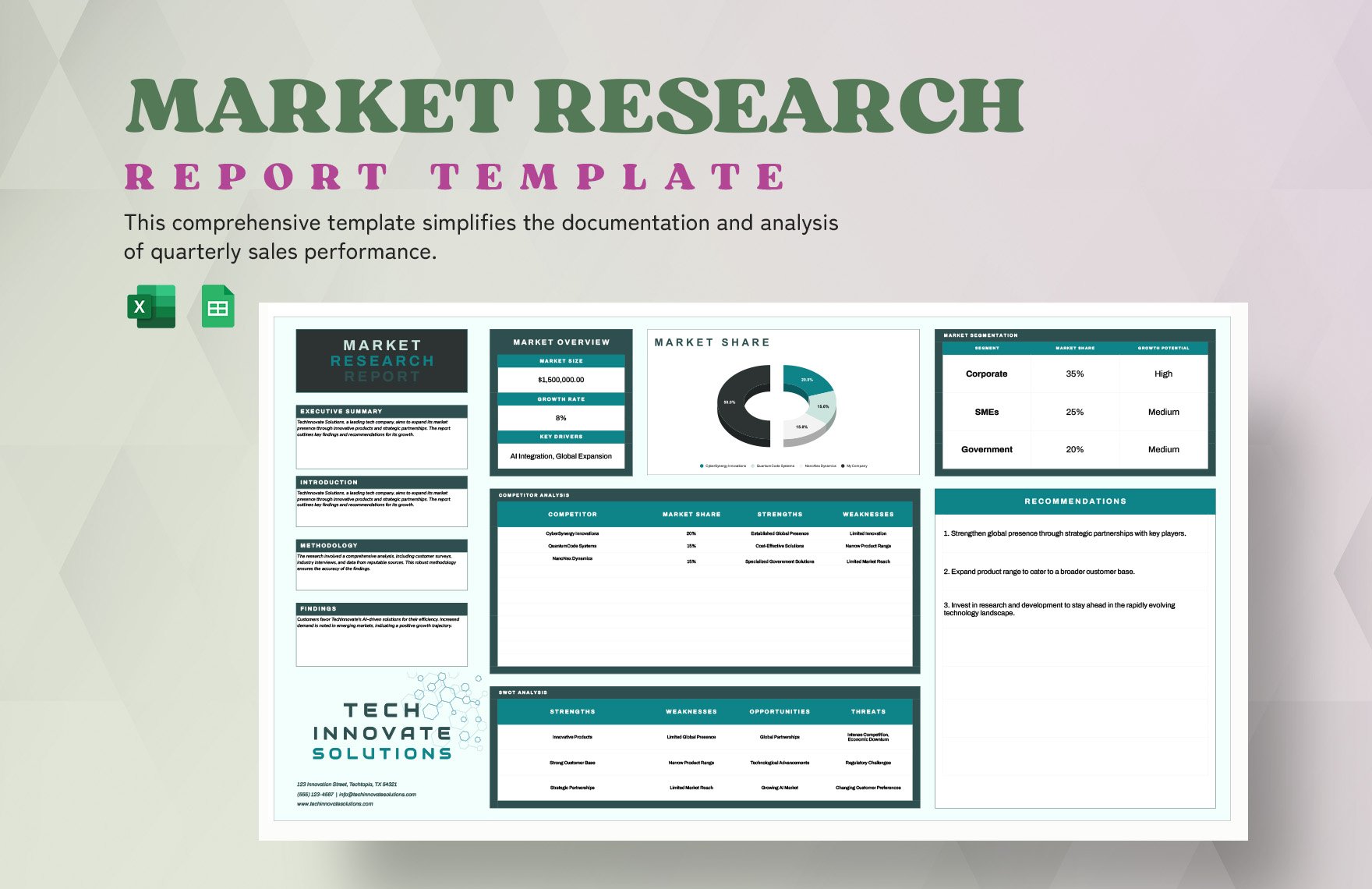
marketing brand culture template pdf
A PDF format is useful when the document needs to be shared consistently, printed, reviewed in meetings, or archived as a formal version. A PDF is particularly useful for approved brand culture documents because it preserves layout and reduces accidental editing.
For working drafts, however, an editable format is usually more practical. Teams can develop the content in an editable document and export an approved version to PDF when the framework is finalized.
marketing brand culture template free
A free template can be a useful starting point for small businesses, students, independent marketers, or teams that need a basic structure before investing in specialized tools. The important consideration is not whether the template has a premium design but whether its questions lead to meaningful strategic decisions.
A simple document with clear prompts can be more useful than a visually impressive template that lacks behavioral definitions or implementation guidance.
marketing brand culture template google docs
Google Docs works well for collaborative drafting because multiple contributors can comment, suggest edits, and maintain a shared working document. It is especially useful when brand managers, marketers, founders, designers, and writers need to contribute to the same framework.
For collaboration, separate the editable working document from the approved master version. This prevents experimental language from being mistaken for official brand guidance.
marketing brand culture template free download
When evaluating a free download, check the actual file format, licensing conditions, editing capabilities, and source credibility. A page describing a template is not necessarily the same thing as a downloadable file.
Do not assume that every resource advertised as free permits commercial redistribution. If a team plans to adapt a template for client work or publish a modified version, licensing should be checked separately.
marketing brand culture template ppt
PowerPoint is useful when the culture framework must be presented to executives, departments, agencies, or external partners. A slide deck can turn the framework into a visual narrative: purpose, values, behaviors, audience, voice, examples, and implementation.
A presentation should not replace the working document. Slides are optimized for communication, while a detailed template is better suited to documentation and repeated reference.
marketing brand culture template word
Word is useful for formal documents, printable worksheets, policy-style guides, and structured brand manuals. It provides enough flexibility for headings, tables, prompts, examples, approval sections, and version history.
For a small business, a well-structured Word document may be sufficient to establish a useful brand culture framework without requiring specialized software.
marketing brand culture template powerpoint
A PowerPoint version can be designed around a concise executive story. One slide might introduce purpose and values, another might define behavioral standards, another might show brand voice, and later slides can demonstrate how those principles influence campaigns and customer experiences.
Keep presentation slides focused. If every slide becomes a dense document, the deck becomes difficult to present. Use the detailed Word or Google Docs version as the reference source.
marketing brand culture template excel
Excel is particularly useful when culture work includes scoring, audits, asset inventories, campaign evaluations, or measurement. Instead of using Excel only for prose, structure it as a working analysis system.
Useful columns might include touchpoint, channel, audience, cultural principle, current behavior, desired behavior, evidence, score, owner, deadline, and status. This turns brand culture from a static statement into a trackable improvement process.
Building a Practical Brand Culture Worksheet
A practical worksheet can begin with a one-page summary containing the brand purpose, mission, vision, three to five core values, personality traits, audience, and central promise.
The second section can define each value. Give every value its own table with four fields: definition, behaviors to encourage, behaviors to avoid, and evidence.
The third section can address communication. Include voice characteristics, tone variations, preferred language, prohibited language, storytelling principles, and examples of strong and weak expressions.
The fourth section can map customer touchpoints. Include website, advertising, email, social media, sales, onboarding, support, packaging, product experience, and community activity.
The final working section can identify gaps. For every inconsistency, document the issue, desired future state, action, responsible owner, priority, and review date.
Sample of Brand Template Structure
A useful sample of brand template can be organized into the following practical sequence: brand purpose, vision, mission, audience, values, behaviors, personality, voice, visual principles, cultural context, customer experience, marketing principles, campaign criteria, measurement, and governance.
For example, a fictional outdoor equipment company might define its purpose as helping people spend more meaningful time outdoors. Its values could include durability, responsibility, curiosity, and accessibility. Those values would then become behavioral standards for product claims, materials, customer support, educational content, and partnerships.
The template could then include campaign questions such as: Does this idea support our purpose? Does it demonstrate at least one core value? Does it respect the communities represented? Does it provide genuine value? Would the message still feel appropriate if the trend disappeared tomorrow?
These questions are useful because they prevent the framework from becoming purely descriptive. A good template should help teams decide what to do.
Template examples from brand strategy resources commonly combine areas such as purpose, core values, brand vision, mission, audience, buyer personas, competitor analysis, positioning, messaging, and imagery. :contentReference[oaicite:6]{index=6}
How to Measure Brand Culture
Brand culture is difficult to reduce to one metric because it influences multiple parts of an organization. Instead of searching for one “culture score,” use a balanced measurement system.
Internal indicators might include employee understanding of values, consistency of decision-making, onboarding comprehension, participation in culture programs, and examples of values being applied in real decisions.
External indicators can include customer sentiment, qualitative feedback, repeat engagement, brand associations, community participation, content response, customer-service feedback, and consistency audits.
Marketing indicators can include message consistency across channels, campaign alignment scores, content quality assessments, audience sentiment, and the percentage of major campaigns reviewed against the culture framework.
Do not assume that higher engagement automatically means stronger culture. A campaign can receive attention while still creating confusion about what the brand stands for. Measurement should therefore combine quantitative indicators with qualitative evidence.
Common Mistakes to Avoid
Choosing Generic Values
Values such as “quality,” “innovation,” “integrity,” and “customer focus” are common. They are not automatically bad, but they become weak when every competitor claims the same thing and the organization cannot explain how its interpretation differs.
Writing Values Without Behaviors
“We value transparency” is incomplete. Define what transparency looks like in product information, pricing, marketing claims, customer service, and internal communication.
Confusing Trend Participation With Culture
Not every popular topic is appropriate for every brand. Cultural relevance requires context, respect, understanding, and a credible reason for participation. Culture marketing research distinguishes deeper cultural understanding from merely borrowing visible trends or aesthetics. :contentReference[oaicite:7]{index=7}
Making the Template Too Complicated
A forty-page document may contain valuable information, but if employees cannot remember the core principles, the framework is unlikely to guide everyday decisions. Maintain a concise summary alongside the detailed reference document.
Never Updating the Framework
Culture evolves. Markets change, products change, communities change, and organizations grow. The framework should therefore have a review cycle. The goal is not to change values whenever a trend appears, but to verify that the documented culture still reflects reality and strategy.
Best Practices for Professional Use
Assign ownership. Someone should be responsible for maintaining the document, coordinating revisions, and resolving questions about interpretation.
Maintain version history. Record the document owner, approval date, current version, major revisions, and next review date.
Separate principles from examples. Principles should remain relatively stable, while examples can change as channels, campaigns, products, and cultural contexts evolve.
Create a one-page reference sheet. Employees should not need to read the entire brand culture document every time they create content. A concise summary can contain the essential values, behaviors, voice, and decision rules.
Connect the template to onboarding. New team members should learn not only what the brand says but how those principles affect real decisions.
Practical Applications
A marketing brand culture Template can be used before launching a new product, entering a new market, creating a campaign, developing a content strategy, selecting partners, hiring a marketing agency, or reviewing an existing brand.
It can also support rebranding projects. Instead of beginning with visual design, teams can use the framework to clarify what should remain constant and what needs to change.
Agencies can use the template during discovery workshops. Clients can complete selected sections independently, while agency teams facilitate discussion around differences between intended and perceived culture.
Small businesses can use a lightweight version to create consistency across websites, social media, email, proposals, presentations, and customer service.
Large organizations can use the framework as a governance layer across multiple markets, provided that local cultural differences are respected rather than flattened into one universal communication style.
Practical Solution
The most practical way to implement a marketing brand culture Template is to build it in stages rather than trying to complete the entire document in one meeting.
Step 1: Create the foundation. Document the purpose, mission, vision, audience, and three to five provisional values. Mark statements that are assumptions rather than proven facts.
Step 2: Collect evidence. Review customer feedback, employee interviews, existing marketing assets, product decisions, customer-service interactions, competitor communication, and relevant cultural research.
Step 3: Define behaviors. For each value, write specific actions that demonstrate the principle and actions that contradict it. If a behavior cannot be observed, rewrite the value definition.
Step 4: Build the communication layer. Define personality, voice, tone, storytelling principles, language preferences, and examples. Make the rules flexible enough to work across different channels.
Step 5: Map touchpoints. Review the website, social media, email, advertising, sales materials, customer support, product experience, and partnerships. Identify where the intended culture is visible and where it is inconsistent.
Step 6: Turn gaps into actions. Add an owner, priority, deadline, and success indicator to each important gap. This makes the template operational instead of theoretical.
Step 7: Create format-specific versions. Keep one detailed working document, one concise reference sheet, one presentation version for stakeholders, and an analytical spreadsheet when scoring or tracking is useful.
Step 8: Review quarterly or when circumstances change. Ask whether the brand is still behaving according to its stated principles. Review major campaigns, customer feedback, partnerships, and new audience expectations.
This workflow makes the template useful at both strategic and tactical levels. The document establishes the principles, while the audit and action sections turn those principles into continuous improvement.
Reference Examples
The following reference examples illustrate different types of documents, worksheets, canvases, and planning layouts that can inform the structure of a marketing brand culture Template. They are examples of visual formats, not claims that each resource is an official universal standard.
marketing brand culture template pdf
Source: Template.net
marketing brand culture template free

Source: The Culture Equation
marketing brand culture template google docs
Source: Template Radar
marketing brand culture template free download

Source: Consultant Docs
marketing brand culture template ppt
Source: Medium
marketing brand culture template word
Source: The Culture Equation
marketing brand culture template powerpoint

Source: Smartsheet
marketing brand culture template excel

Source: Semrush
what is brand culture
Source: Consultant Docs
creating brand values and culture
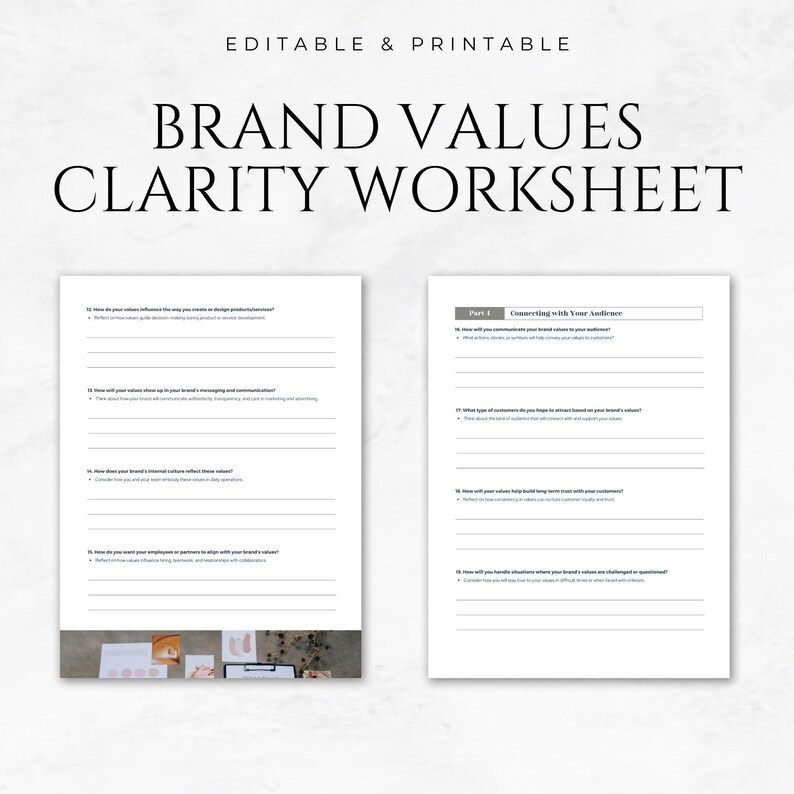
Source: Etsy
sample of brand template

Source: WordStream
what is culture marketing
Source: The Culture Equation
Frequently Asked Questions
What should a marketing brand culture Template contain?
It should normally contain purpose, mission, vision, values, behavioral standards, audience context, personality, voice, customer experience principles, marketing guidelines, examples, measurement criteria, ownership, and review procedures.
Is a brand culture template the same as brand guidelines?
No. Brand guidelines usually focus on how a brand should look and communicate, while a culture framework goes deeper into beliefs, behaviors, decision-making principles, and the organizational practices that support the brand.
How many core values should a brand have?
There is no universal required number. A focused set of three to five meaningful values is often easier to remember and apply than a long list, provided each value has a clear operational definition.
Can a small business use a simple template?
Yes. A small business can start with a one-page framework containing purpose, audience, values, behaviors, personality, voice, and marketing principles. The document can become more detailed as the business grows.
Should brand culture change over time?
The framework should be reviewed over time, but values should not be changed simply because a new trend becomes popular. Changes should reflect genuine shifts in strategy, audience, organization, or the cultural environment.
How is culture marketing different from brand culture?
Brand culture describes the principles and behaviors associated with the brand. Culture marketing is more focused on using cultural understanding to make marketing relevant to particular communities, contexts, identities, conversations, or shared experiences. Different sources use the terminology somewhat differently, so the distinction should be defined within the organization. :contentReference[oaicite:8]{index=8}
Can the template be used for content marketing?
Yes. The culture framework can define content themes, voice, storytelling principles, audience considerations, evidence standards, and topics that fit or conflict with the brand.
What is the best format for a brand culture template?
There is no single best format. Google Docs or Word can work well for collaborative drafting, PDF for approved distribution, PowerPoint for presentations, and Excel for audits, scoring, inventories, and tracking. The content and usability of the framework matter more than the file extension.
Conclusion
A marketing brand culture Template is most valuable when it turns abstract brand language into practical decisions. The strongest frameworks connect purpose and values to behaviors, audience understanding, communication, customer experience, marketing activity, measurement, and accountability. Whether the document is maintained as a PDF, Word file, Google Docs workspace, PowerPoint deck, or Excel workbook, its central purpose remains the same: make the brand easier to understand and easier to practice consistently.
The most effective approach is to begin with evidence, involve the people who understand the brand from different perspectives, define a focused set of credible values, translate those values into observable behaviors, and connect them to real marketing decisions. When maintained as a living working system rather than a decorative document, a marketing brand culture Template can become a practical foundation for clearer strategy, more consistent communication, stronger customer experiences, and more credible cultural participation.
