A financial systems accountant Template is best understood as a structured framework for documenting how accounting data moves from source transactions through journals, ledgers, reconciliations, controls, and financial statements. The phrase is not the name of one universally standardized accounting document. Instead, it can describe a reusable workbook or document that helps an accountant organize financial-system requirements, account structures, reporting relationships, control procedures, and review responsibilities.
A useful template should connect accounting operations rather than merely provide blank cells. The strongest design shows where transaction data originates, which account receives it, how the entry is validated, how balances reach the general ledger, and how those balances become management or external financial reports. This makes the template useful during system implementation, process improvement, month-end close, reconciliation, internal review, and reporting preparation.
What a financial systems accountant Template is designed to accomplish
The central purpose of a financial systems accountant Template is to create a consistent relationship between accounting processes and the systems that support them. An accountant may need to document account codes, transaction sources, posting rules, approval points, reconciliation procedures, reporting outputs, and responsible roles. Putting those elements into one structured framework makes it easier to identify missing information before a reporting period closes.
The template can also serve as a bridge between technical system design and accounting requirements. A finance team may understand the required financial reports while a systems team understands data fields, integrations, permissions, and workflows. A well-designed template gives both groups a common structure. Instead of discussing the accounting system only in general terms, the team can identify specific inputs, transformations, controls, outputs, and review procedures.
Another important purpose is repeatability. Accounting processes often occur every month, quarter, or year. A standardized structure can reduce unnecessary variation in how account reconciliations, journal reviews, reporting checks, and supporting schedules are documented. Repeatability does not replace professional judgment, accounting standards, or review controls, but it can make routine work easier to inspect and maintain.
A template should therefore be viewed as a control and documentation framework rather than as a substitute for an accounting system. A spreadsheet can organize information and perform calculations, but it does not automatically make the underlying accounting accurate. Source data, account classification, period cutoffs, reconciliations, adjustments, and review procedures still require appropriate accounting judgment.
Core structure of an accountant-focused financial systems template
A practical template normally begins with a system overview. This section identifies the accounting environment, reporting period, entities or business units covered, primary ledger, supporting records, reporting currency, and relevant reporting basis. The purpose is to establish scope before individual accounts and processes are documented.
The next component is the chart of accounts structure. Each account should have a unique identifier, descriptive name, account category, normal balance, financial statement destination, and any relevant reporting dimension. Depending on the organization, additional fields may include department, location, project, product, tax category, or consolidation group.
A strong structure also documents transaction flow. For each major transaction type, the template can identify the source, originating system, transaction date, posting date, journal type, account mapping, approval requirement, reconciliation owner, and resulting report. This creates a traceable path from operational activity to financial reporting.
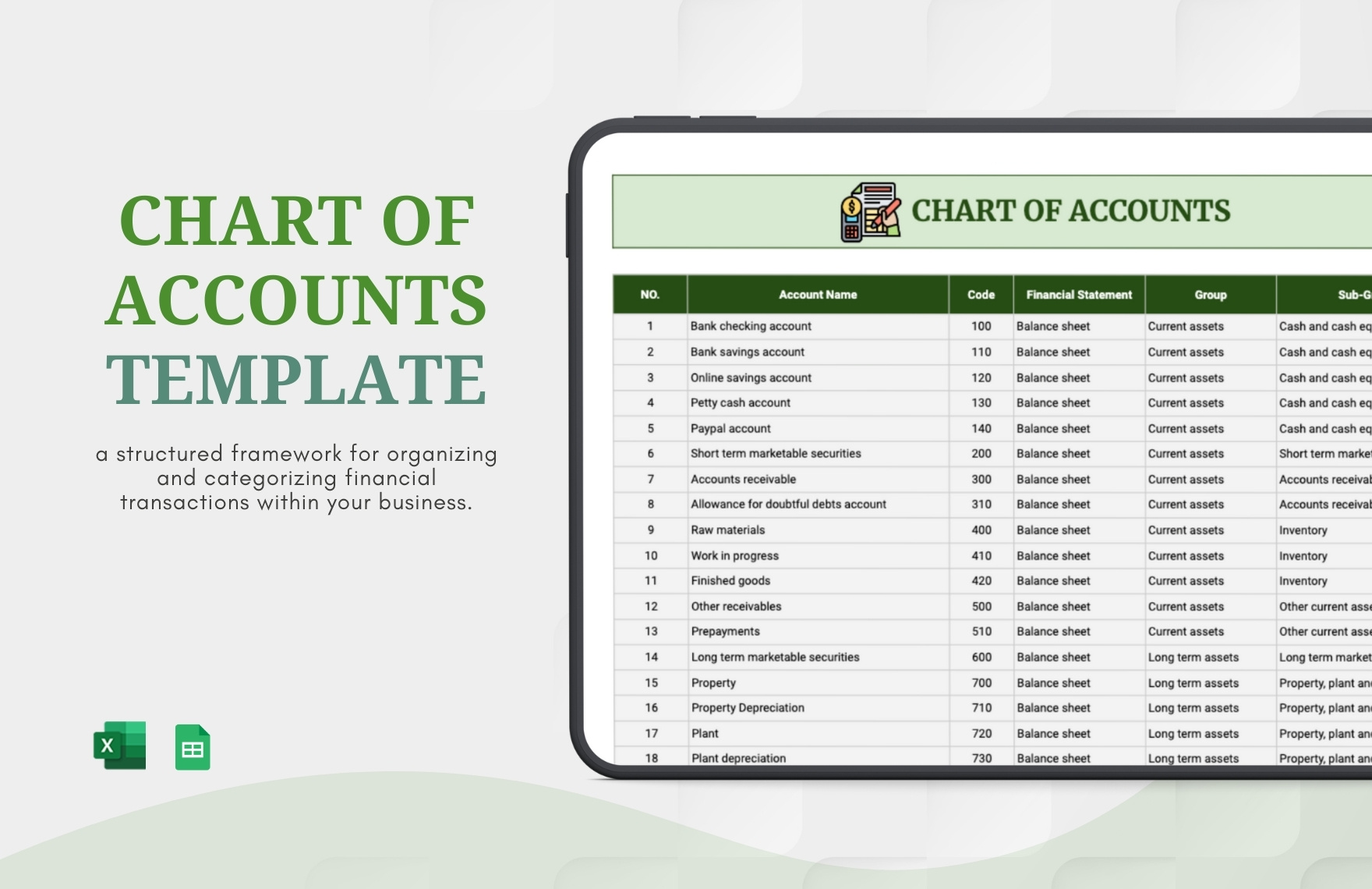
Chart of accounts and reporting relationships
The chart of accounts is one of the most important foundations because financial reporting depends on consistent classification. A financial systems accountant Template should show how accounts are grouped into assets, liabilities, equity, revenue, expenses, gains, and losses. The exact structure should reflect the organization rather than blindly copying another business’s account list.
Account numbering should also be designed with future maintenance in mind. If an organization expects new departments, subsidiaries, products, or reporting dimensions, the structure should allow expansion without creating confusing overlaps. A good template records not only the current account but also its reporting purpose and relationship to higher-level categories.
For reporting purposes, each account should have a clear destination. For example, a cash account may feed the statement of financial position, while sales revenue feeds the statement of profit or loss. Certain accounts may participate in several management reports even though their statutory financial statement classification remains unchanged.

Connecting journals, ledgers, and trial balances
The accounting cycle provides the logical backbone of the template. Source transactions are recorded through journal entries, posted to ledger accounts, summarized in a trial balance, adjusted when necessary, and then used to prepare financial reports. Documentation should make each transition understandable so that a reviewer can follow the accounting trail.
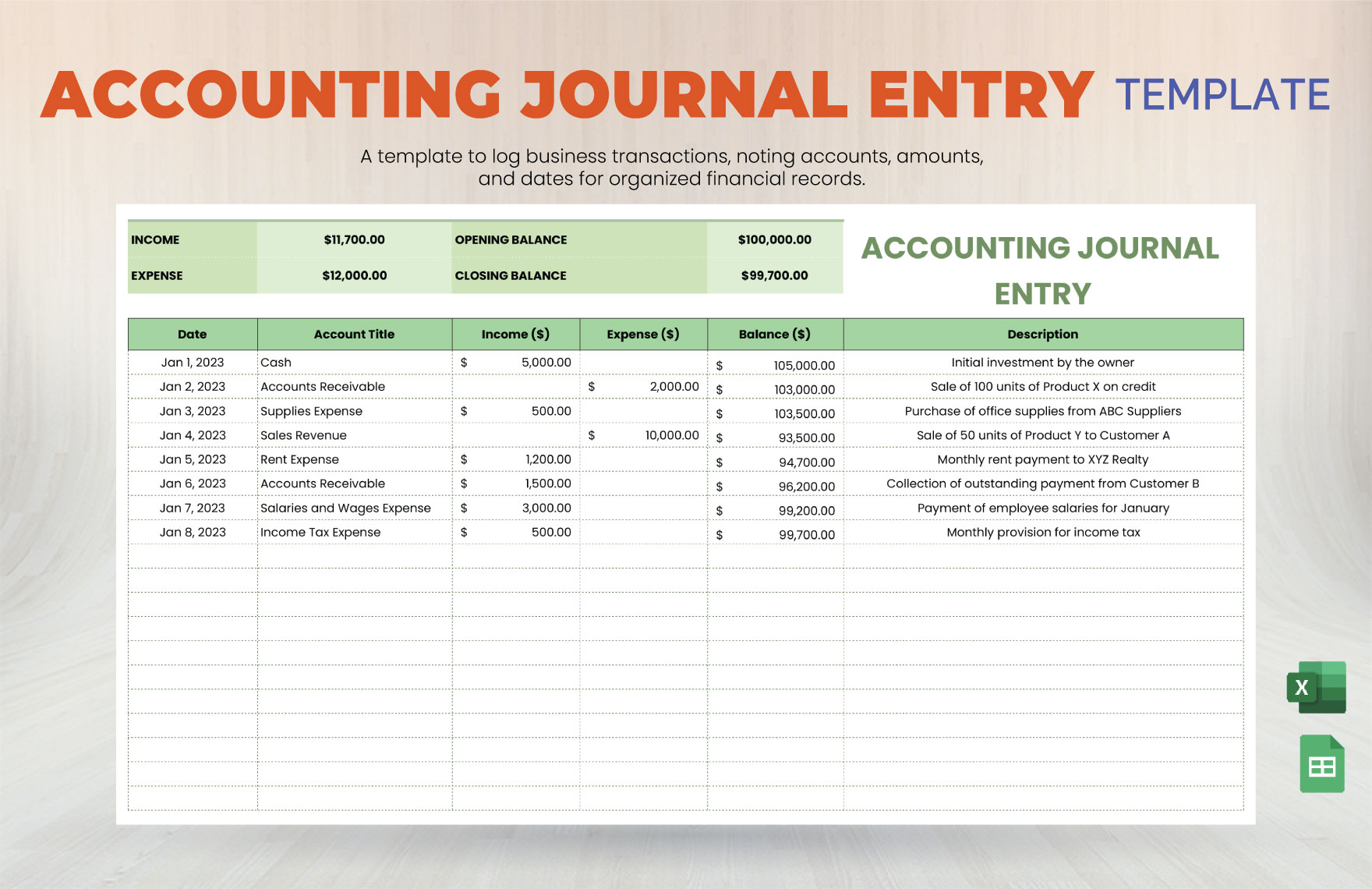
The journal section should include fields such as transaction date, posting date, account code, description, reference number, debit amount, credit amount, source, preparer, and approval status. Organizations with automated imports may add batch identifiers or integration references. These fields help distinguish individual transactions and support later investigation.
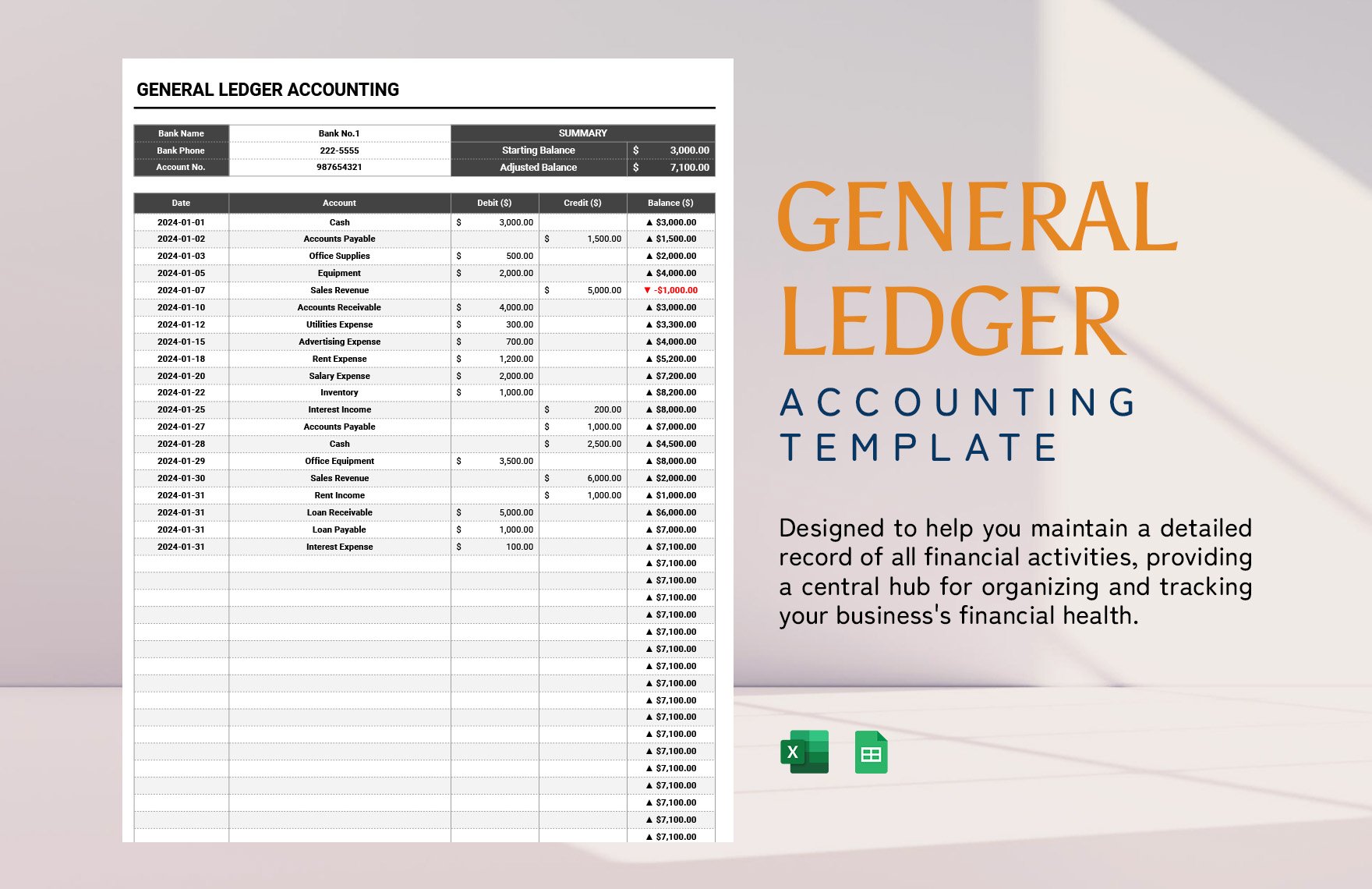
The general ledger section should show how posted activity changes each account balance. A ledger is more detailed than a trial balance because it retains transaction-level movement. The trial balance then summarizes ending balances across the ledger. A basic trial balance check confirms that total debit balances equal total credit balances, although that equality does not prove that every transaction is correctly classified or complete.
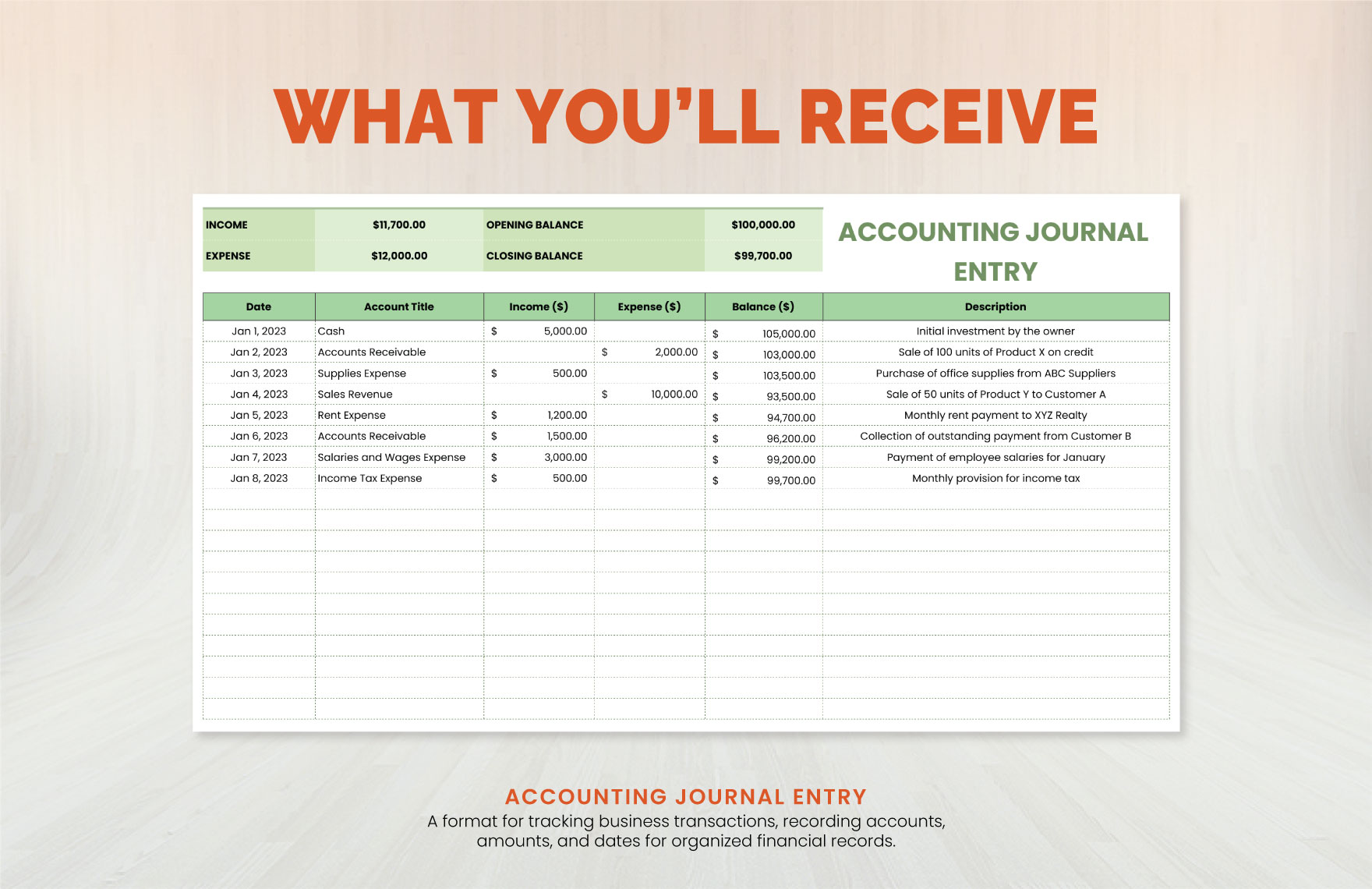
A useful template should distinguish between an unadjusted trial balance and an adjusted trial balance. Adjustments may relate to accruals, deferrals, depreciation, provisions, corrections, or other period-end accounting entries. Keeping these stages separate improves transparency because reviewers can see how the original ledger balances changed before financial statements were prepared.

Financial statements and reporting outputs
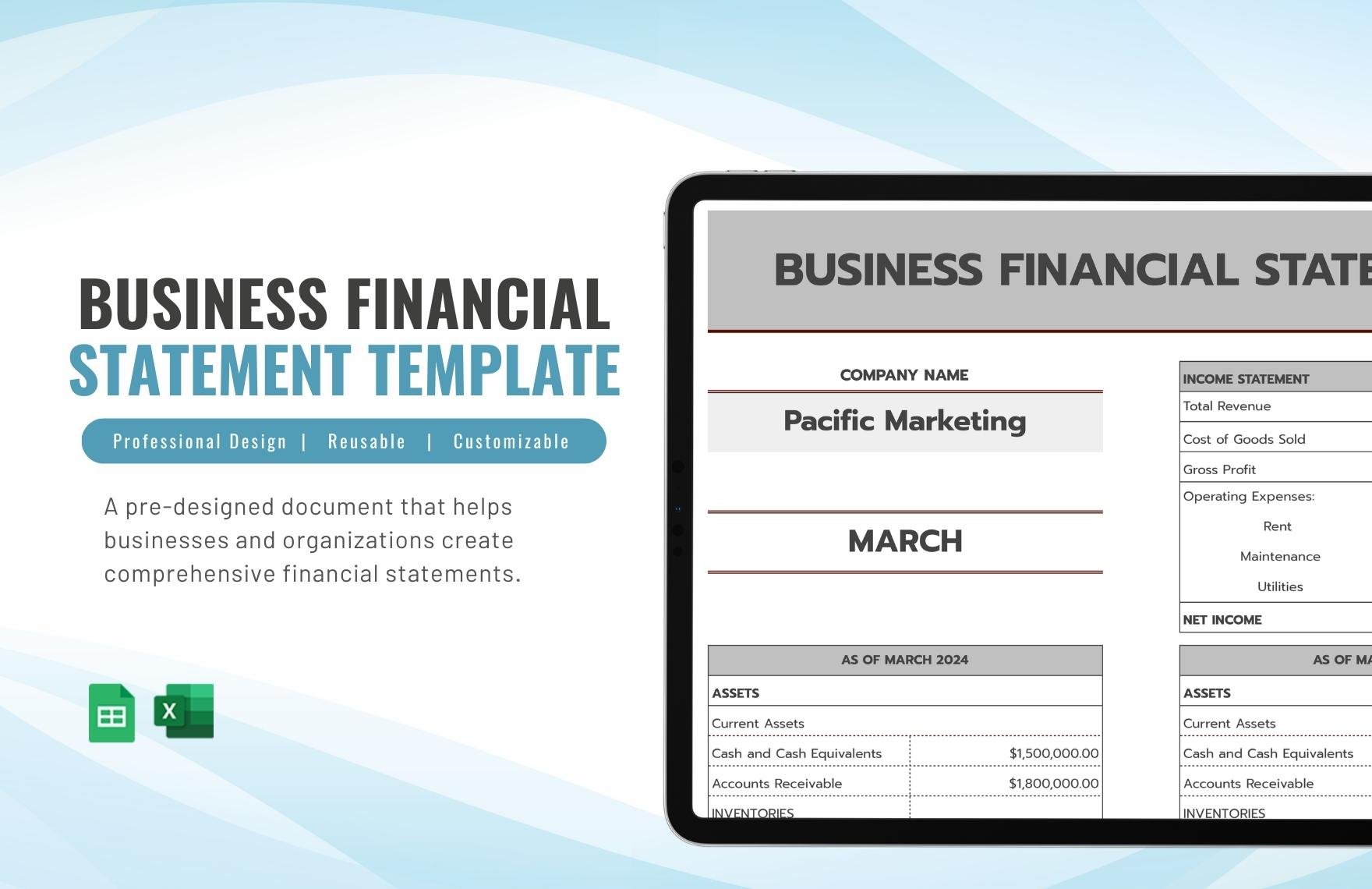
An accounting system for financial statements should ultimately provide reliable relationships between ledger balances and reporting outputs. A financial systems accountant Template can document these relationships through mapping fields that identify which accounts contribute to the statement of financial position, statement of profit or loss, statement of changes in equity, cash flow reporting, and supporting disclosures.
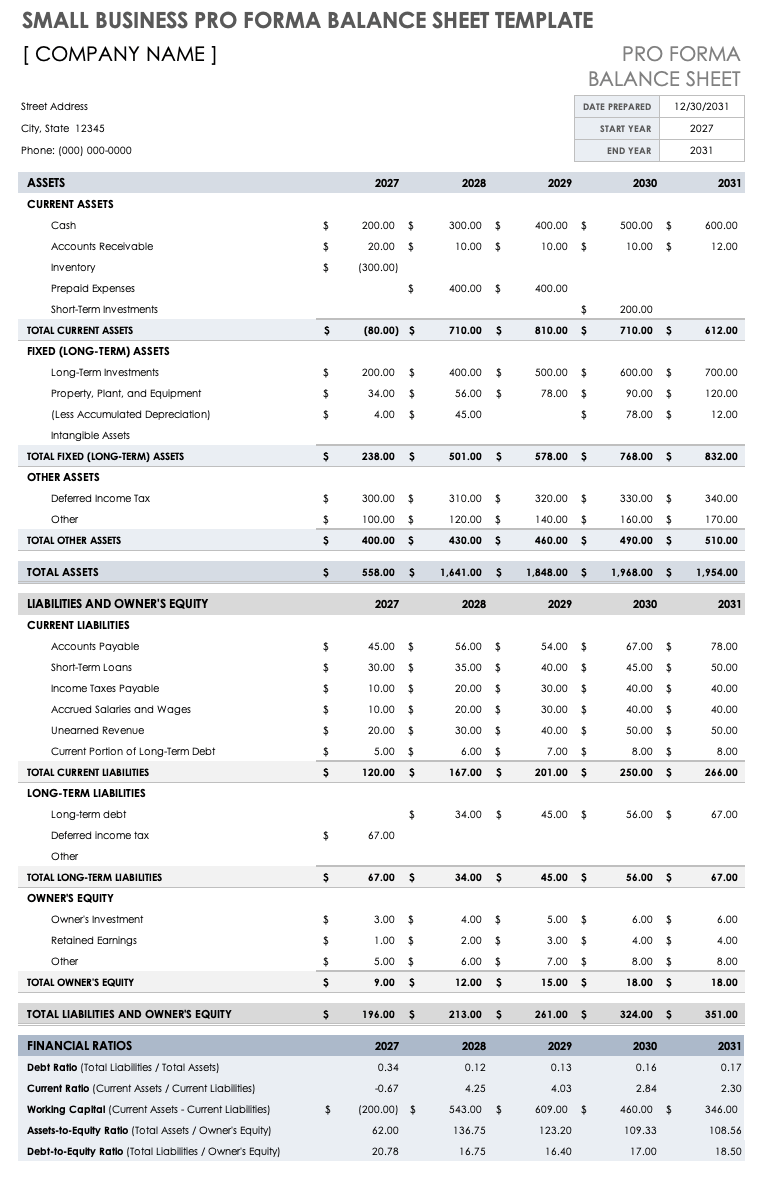
The statement of financial position generally organizes assets, liabilities, and equity at a reporting date. The profit or loss statement summarizes income and expenses for a period. Cash flow reporting explains movements in cash and cash equivalents through operating, investing, and financing activities. A template can show the account groups feeding each section without attempting to replace the reporting framework used by the organization.
Current reporting requirements should always be checked against the applicable accounting framework. The IFRS Foundation states that IFRS 18 replaces IAS 1 and is effective for annual reporting periods beginning on or after 1 January 2027, with earlier application permitted. This makes it particularly important for system documentation to distinguish current reporting requirements from future-state reporting changes.
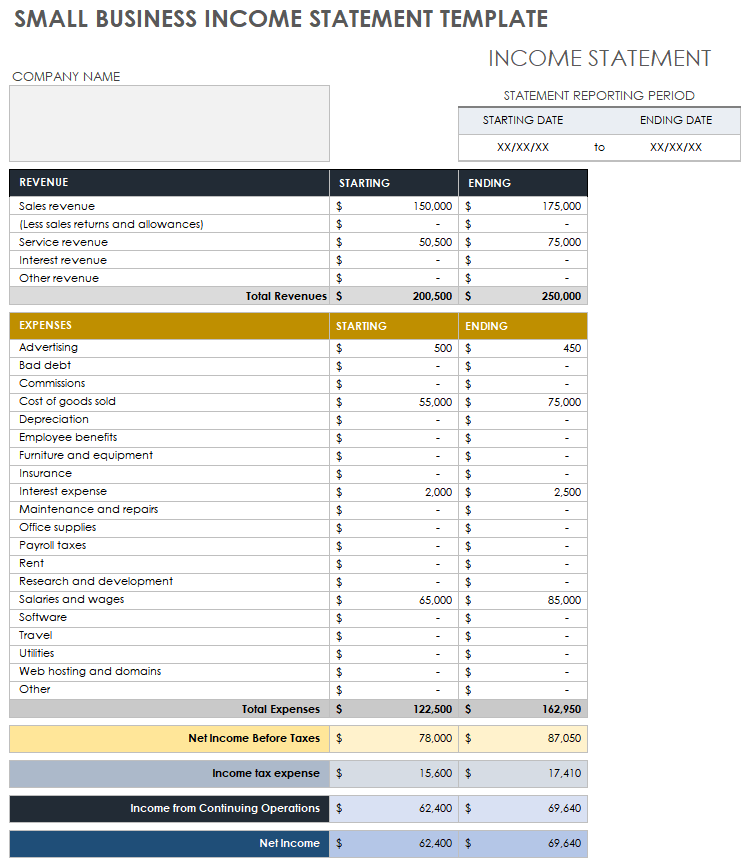
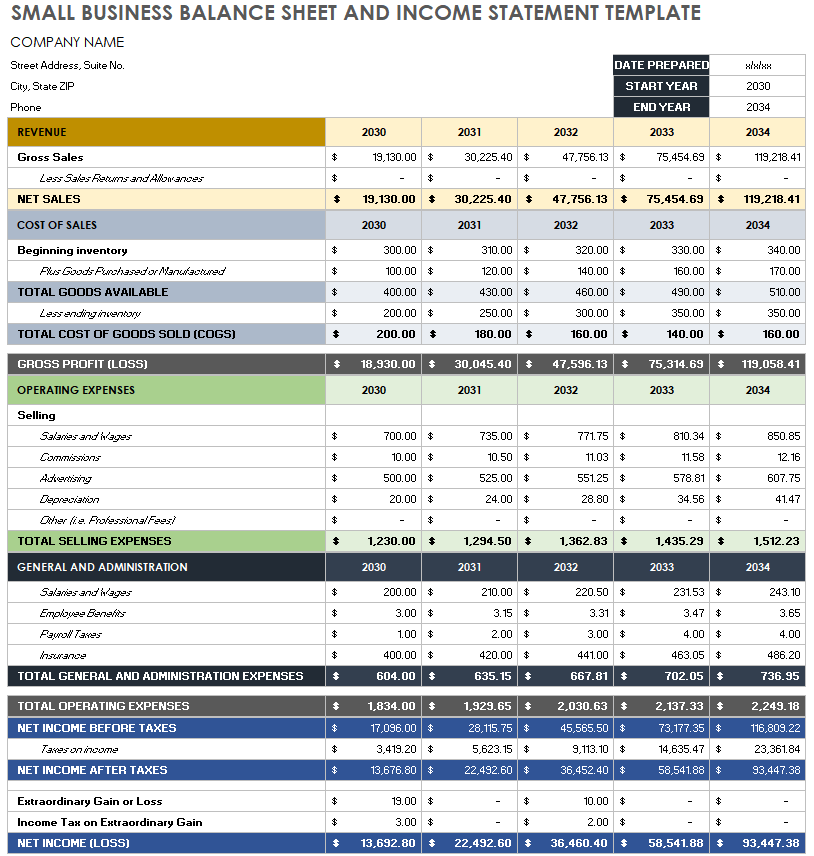
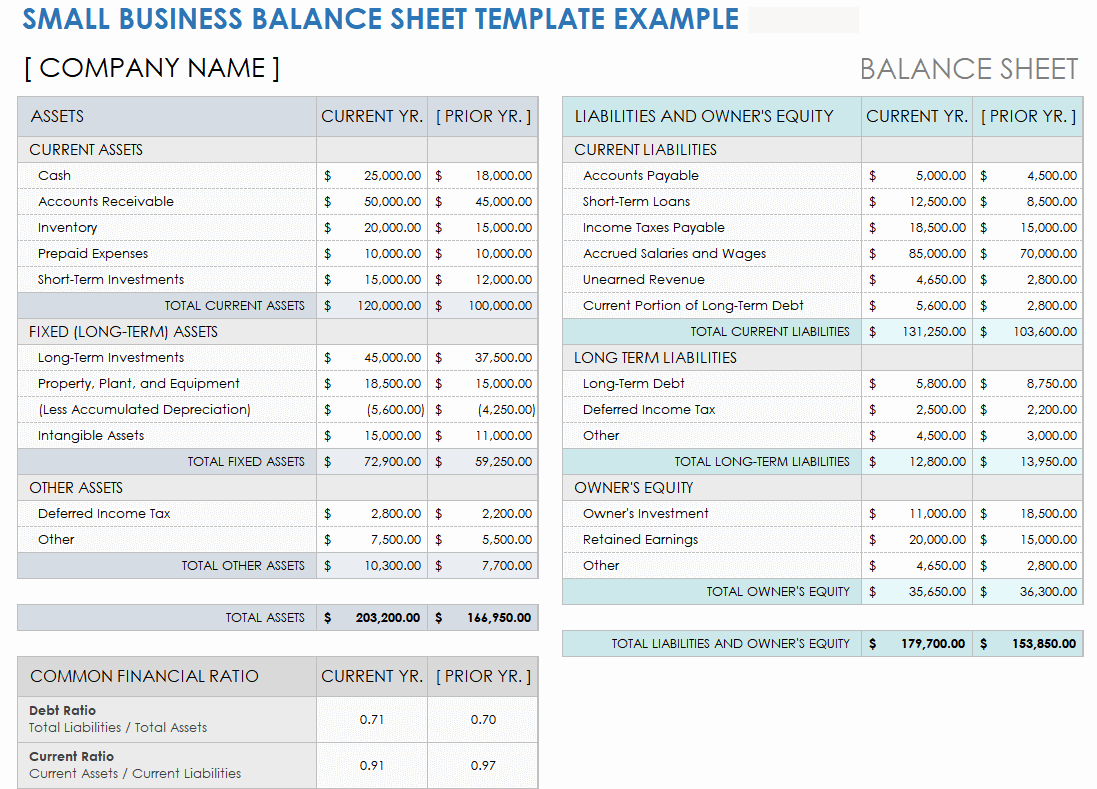
For readers looking for a structured financial statement template pdf, the most important consideration is not the file format itself. The document should clearly identify reporting dates, entity information, account groupings, comparative periods where required, and the relationship between reported totals and underlying accounting records. A printable format can be useful for review, sign-off, archival procedures, or meetings, but the underlying source data should remain controlled in the accounting environment.
Choosing a spreadsheet format for accounting workflows
Many finance teams use spreadsheets alongside their primary accounting system for analysis, reconciliations, schedules, reporting packages, and controlled calculations. A well-built financial systems accountant template excel workbook can include separate worksheets for chart of accounts, journal review, general ledger analysis, trial balance, reconciliations, financial statements, and control checks.
The main advantage of a spreadsheet structure is visibility. Formulas, mappings, supporting schedules, and review columns can be inspected directly. It can also be useful when designing a new workflow because accountants can model the desired relationship between inputs and outputs before configuring a production accounting environment.
However, spreadsheet-based accounting workflows require disciplined version control. A workbook should have a clear owner, controlled editing rights, defined source data, documented formulas, reconciliation checks, and a procedure for preserving prior reporting periods. When several people edit the same workbook without clear controls, the risk of inconsistent formulas, overwritten values, or conflicting versions increases.

For organizations that prefer a browser-based spreadsheet workflow, a financial systems accountant template google sheets structure can use the same accounting logic while supporting controlled collaboration. The key point is that changing the spreadsheet environment should not change the accounting rules. Account mappings, validation checks, period controls, and approval responsibilities should remain consistent.
A document-oriented workflow can also use a financial systems accountant template word structure for policies, process narratives, control descriptions, system requirements, and accounting procedures. Word-style documents are generally more suitable for explaining processes than performing transaction calculations. The workbook and narrative document can therefore complement each other rather than compete.
Supporting schedules that belong in the template
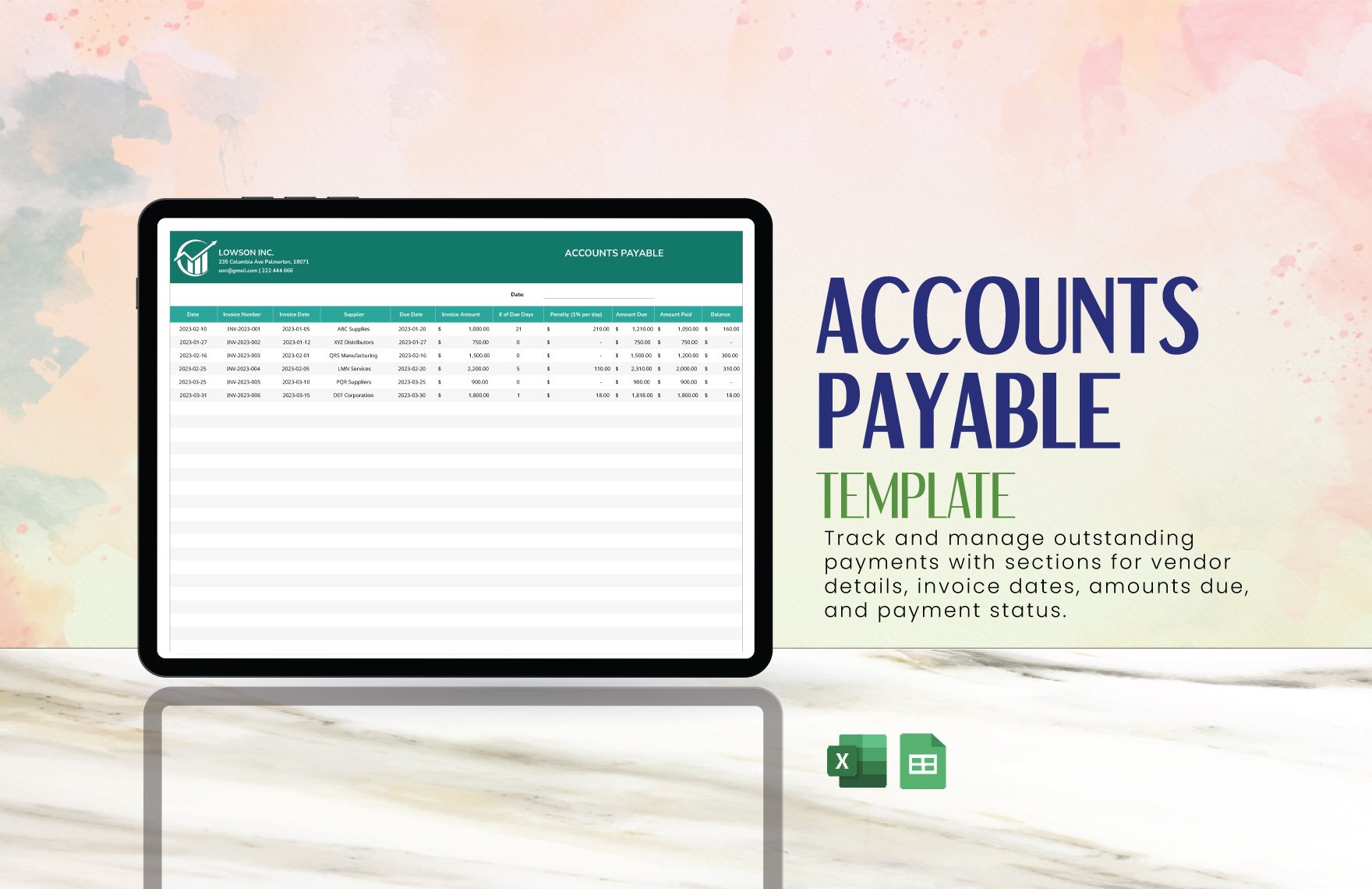
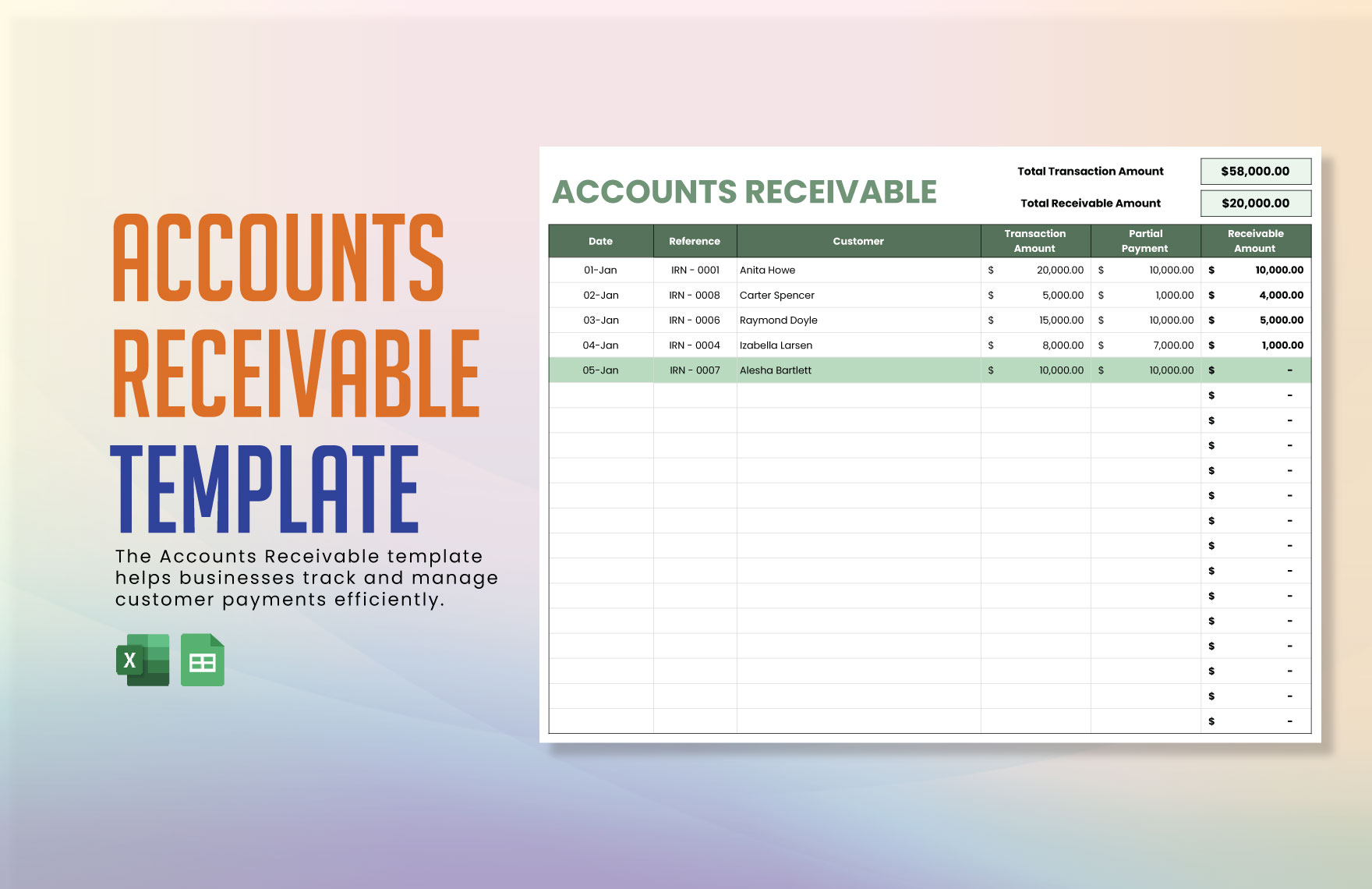
A complete accounting systems framework often needs more than a general ledger. Accounts payable and accounts receivable schedules provide detail behind balance sheet accounts. These schedules can include invoice references, transaction dates, counterparties, due dates, amounts, payments, aging categories, and reconciliation status.
Supporting schedules should be tied back to the general ledger. If an accounts receivable schedule shows one balance while the corresponding control account shows another, the difference should be explainable. The same principle applies to inventory, fixed assets, payroll-related balances, prepaid expenses, debt, taxes, and other significant accounts.

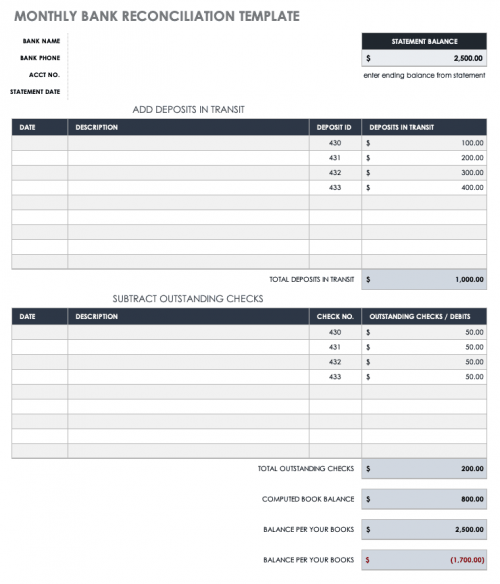
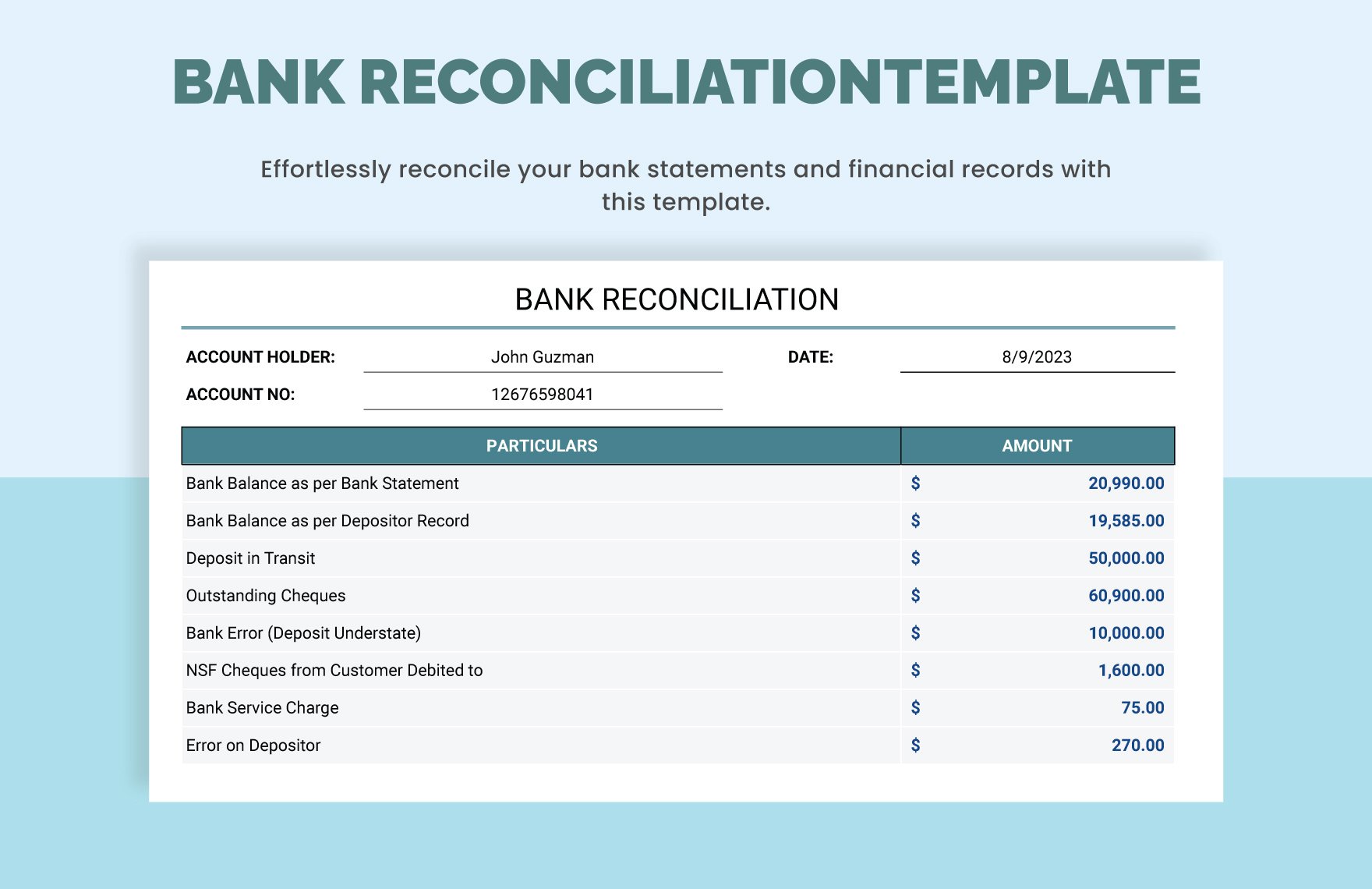
Cash and bank reconciliation is another important component. A reconciliation schedule should compare the accounting balance with the external statement balance and document reconciling items such as deposits in transit, outstanding payments, bank charges, timing differences, or corrections. Each unresolved item should have an owner and an expected resolution date where appropriate.
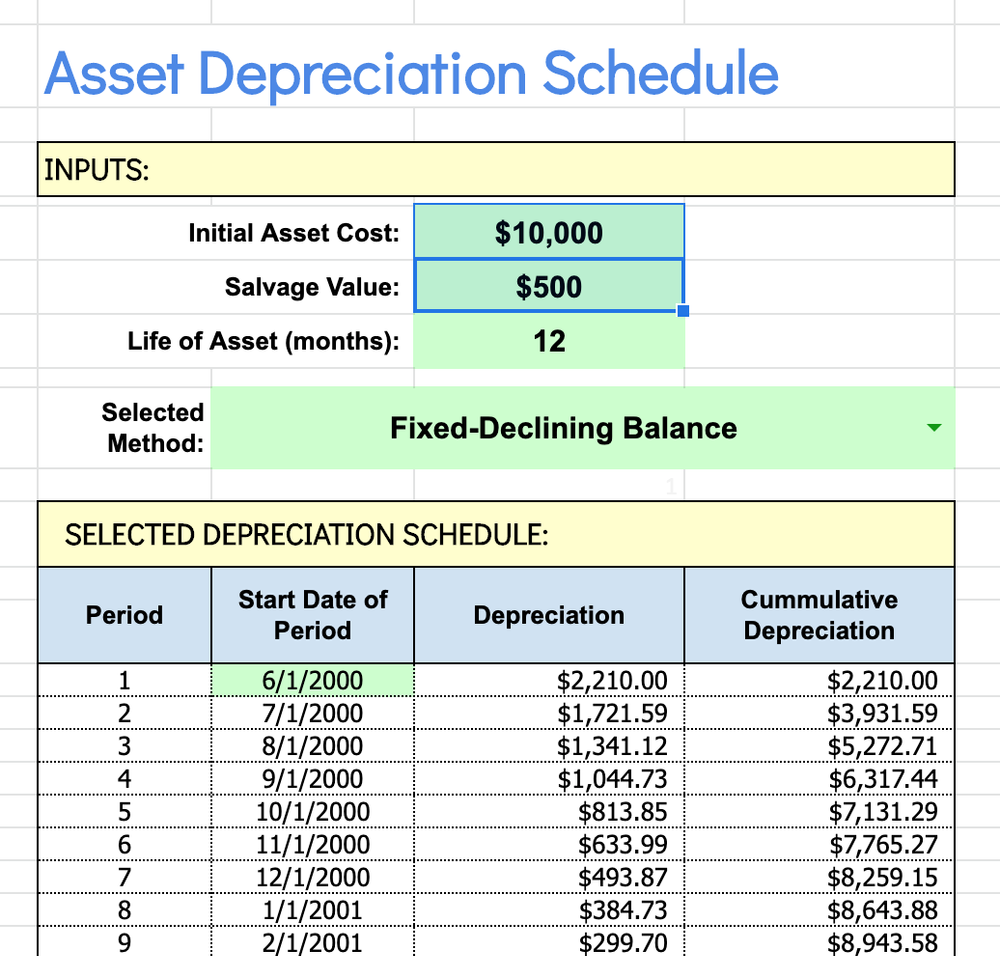
Fixed assets require another structured schedule because acquisition cost, useful life, depreciation, disposals, and accumulated depreciation can affect several financial statement areas. The template should identify the asset record, accounting treatment, depreciation method, period movement, and ledger account used for posting.
Requirements documentation for accounting systems
An accounting software requirements template should translate accounting needs into specific system capabilities. Instead of stating that the system should be “easy to use,” define the required process and control. For example, a requirement might specify that authorized users can create journal entries, that entries must contain required account fields, and that submitted entries remain traceable through approval and posting.
Requirements should cover functional areas such as general ledger, accounts payable, accounts receivable, cash management, fixed assets, budgeting, consolidation, reporting, period close, and audit trails. They should also cover non-functional requirements such as access controls, data retention, availability, integration, performance, security, and reporting consistency.
A good requirements document distinguishes must-have controls from preferred features. This prevents a system selection process from becoming a comparison of superficial interface features. The accounting team should identify which capabilities are necessary to preserve data integrity, support financial reporting, reconcile subledgers, and maintain an appropriate audit trail.

System requirements should also describe integrations. For example, sales data may originate in a commerce system, payroll data may come from a payroll platform, and bank transactions may enter through a financial integration. The accounting template should identify the interface, expected fields, frequency, validation checks, error handling, and reconciliation method for each important data source.

Controls, reconciliations, and auditability
Controls should be visible in the template rather than treated as an afterthought. A control register can identify the account or process, control objective, control activity, frequency, preparer, reviewer, evidence retained, exception process, and escalation path. This gives the accounting team a practical way to connect financial-system processes with review responsibilities.
Reconciliation controls are particularly important because a balanced ledger does not necessarily mean that the accounting records are complete or correctly classified. A transaction can be missing, posted to the wrong account, recorded in the wrong period, or duplicated while the debit and credit totals still agree. Reconciliation procedures therefore need evidence beyond a simple mathematical balance.
Auditability also depends on traceability. A reviewer should be able to move from a reported balance to the relevant account, then to ledger activity, then to journal entries, and ultimately to appropriate supporting evidence. The exact evidence requirements depend on the organization and reporting framework, but the template should make the expected trail clear.


Designing financial accounting excel templates that remain reliable
Financial accounting excel templates work best when inputs, calculations, outputs, and control checks are separated. An input area can contain source data, while calculation areas handle transformations and reporting areas present results. This separation makes formulas easier to inspect and reduces the risk that a user accidentally overwrites a calculation.
Consistent naming is equally important. Worksheet names should describe their purpose, account codes should follow a documented structure, and reporting periods should use consistent date conventions. If formulas reference different periods or inconsistent account names, a workbook can appear correct while producing incomplete results.
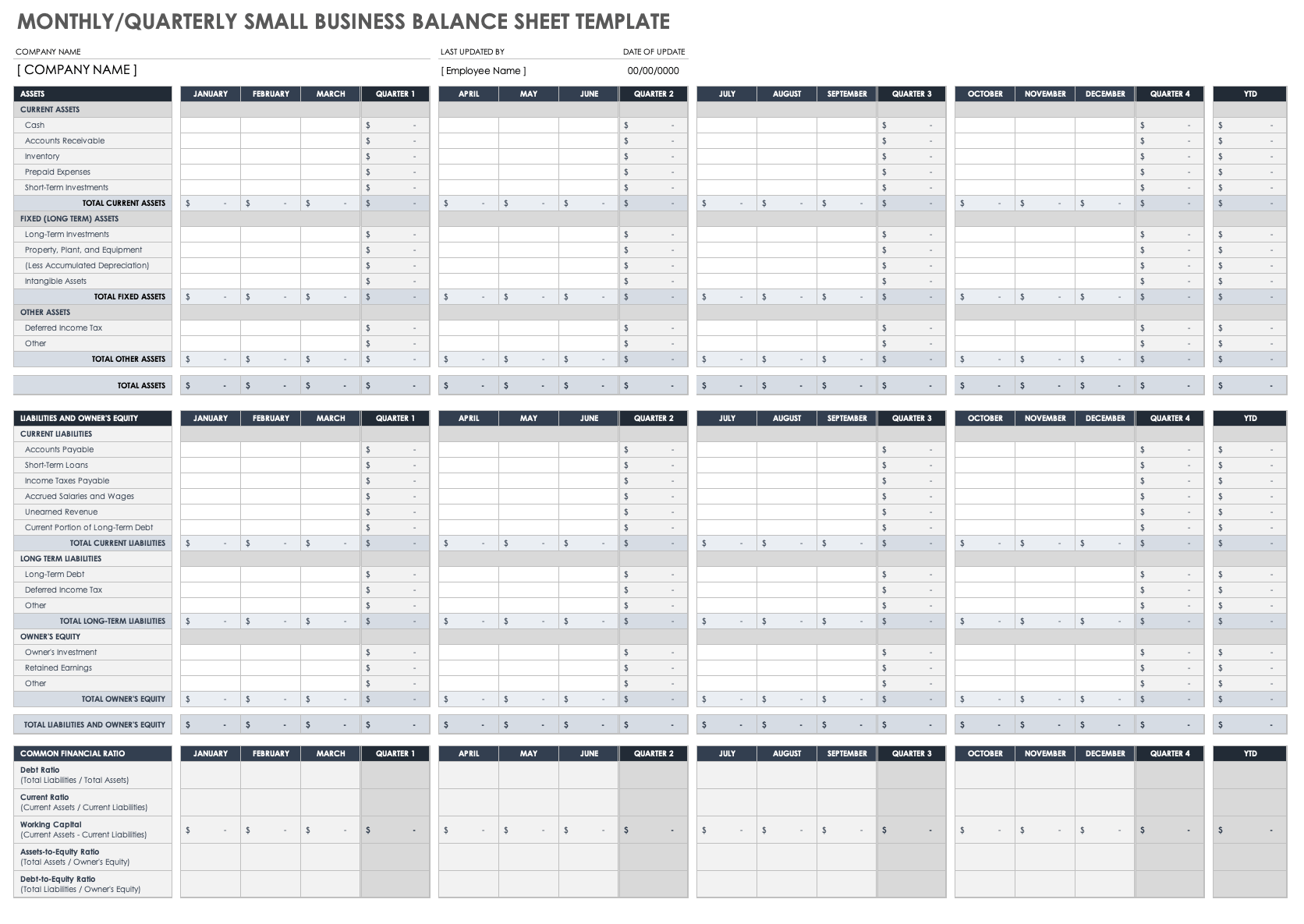
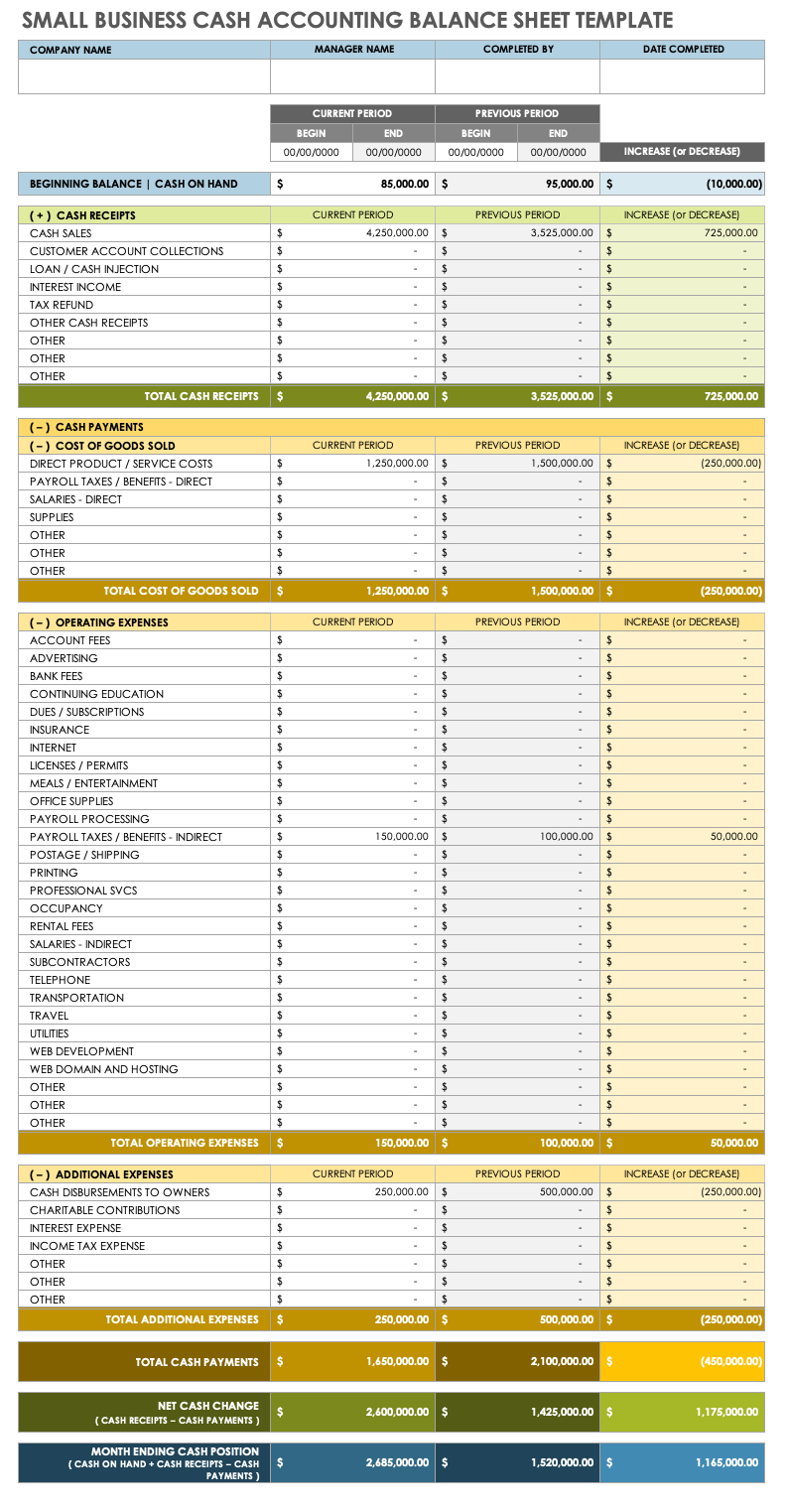
Validation checks should be built into the design. Examples include debit-versus-credit equality, subledger-to-control-account comparisons, beginning-to-ending balance rollforwards, balance sheet equation checks, cash movement reconciliation, and required-field checks. These checks do not eliminate the need for review, but they make obvious exceptions easier to identify.
Common mistakes when creating the template
One common mistake is designing the document around appearance rather than accounting flow. A polished workbook can still be difficult to audit if it does not identify source data, account mappings, period controls, and reconciliation procedures. Visual organization should support accounting logic, not hide it.
Another mistake is putting too many unrelated functions into one worksheet. A single giant sheet may appear convenient at first, but it becomes difficult to maintain as transaction volume and reporting requirements grow. Separating the chart of accounts, journals, ledger analysis, reconciliations, reporting, and control checks usually makes the structure easier to understand.
A third mistake is failing to define ownership. Every recurring reconciliation, review, approval, and reporting task should have a responsible role. The person preparing a reconciliation may not be the same person reviewing it. The template should make those responsibilities visible without assuming that a particular organizational structure applies everywhere.
Practical Solution
Start by defining the accounting scope before building formulas. List the entities, reporting periods, ledger structure, major transaction streams, supporting schedules, financial reports, and key reconciliations. Then create a chart-of-accounts mapping that connects each account to its reporting classification. This first stage prevents the template from becoming a collection of disconnected worksheets.
Next, build the transaction-to-report workflow. Document the source transaction, journal entry, posting destination, reconciliation point, trial balance treatment, adjustment process, and financial statement output. For every major process, include a control owner and review point. If the organization operates multiple entities or currencies, add those dimensions to the design rather than creating separate structures that cannot easily be consolidated.
Finally, test the template with controlled examples before relying on it for actual reporting. Enter representative transactions for revenue, expenses, receivables, payables, cash, assets, liabilities, and equity. Confirm that journal entries balance, ledger balances roll forward, reconciliations identify expected differences, and financial statement outputs agree with the underlying records. Keep a change log so future revisions can be understood and reviewed.
For a practical workbook, a useful sequence is Setup → Chart of Accounts → Transaction Register → Journal Review → General Ledger → Trial Balance → Reconciliations → Adjustments → Financial Statements → Control Checks → Reporting Notes. This structure is flexible enough for many accounting environments while remaining understandable to reviewers. The final design should always be adapted to the organization’s accounting policies, reporting framework, system architecture, and internal controls.

How to evaluate a completed financial systems accountant Template
A completed template should be evaluated for accuracy, completeness, traceability, maintainability, and usability. Accuracy asks whether calculations and mappings produce the intended accounting results. Completeness asks whether important transaction streams, accounts, reports, controls, and reconciliations are represented. Traceability asks whether a reviewer can move from a financial statement balance back to supporting records.
Maintainability is equally important. Accounting structures change as businesses add entities, products, accounts, reporting dimensions, or new system integrations. A template that works only for today’s structure may create unnecessary work later. Use consistent formulas, clearly labeled assumptions, controlled input fields, and documented mapping rules so the framework can evolve without losing its accounting logic.
Usability should be tested with someone who did not build the template. Ask that reviewer to locate a transaction, identify its account classification, find the related reconciliation, and explain how the amount reaches a financial report. If the reviewer cannot follow the process without extensive explanation, the template probably needs clearer labels, better structure, or stronger documentation.
Reference Examples
A financial systems accountant Template becomes easier to understand when readers can see how accounting information is organized across different worksheets and reporting formats. Useful examples typically show a general ledger, chart of accounts, journal entry structure, reconciliation schedule, financial statement layout, or supporting schedule. The most valuable visual references are not necessarily the most elaborate designs; they are the ones that make relationships between accounts, transactions, balances, and reports easy to recognize. Reviewing several formats can help an accountant decide which fields belong in the core template and which details should remain in supporting schedules.
The following references illustrate practical structures that can inform the design of a financial systems accountant Template. They include examples of ledgers, account classifications, financial statements, reconciliation records, and supporting accounting schedules. Use them as visual references rather than as universal accounting requirements, because organizations may use different reporting frameworks, account structures, approval procedures, currencies, and system architectures. The goal is to identify useful structural patterns while keeping the final template aligned with the organization’s actual accounting processes and reporting responsibilities.

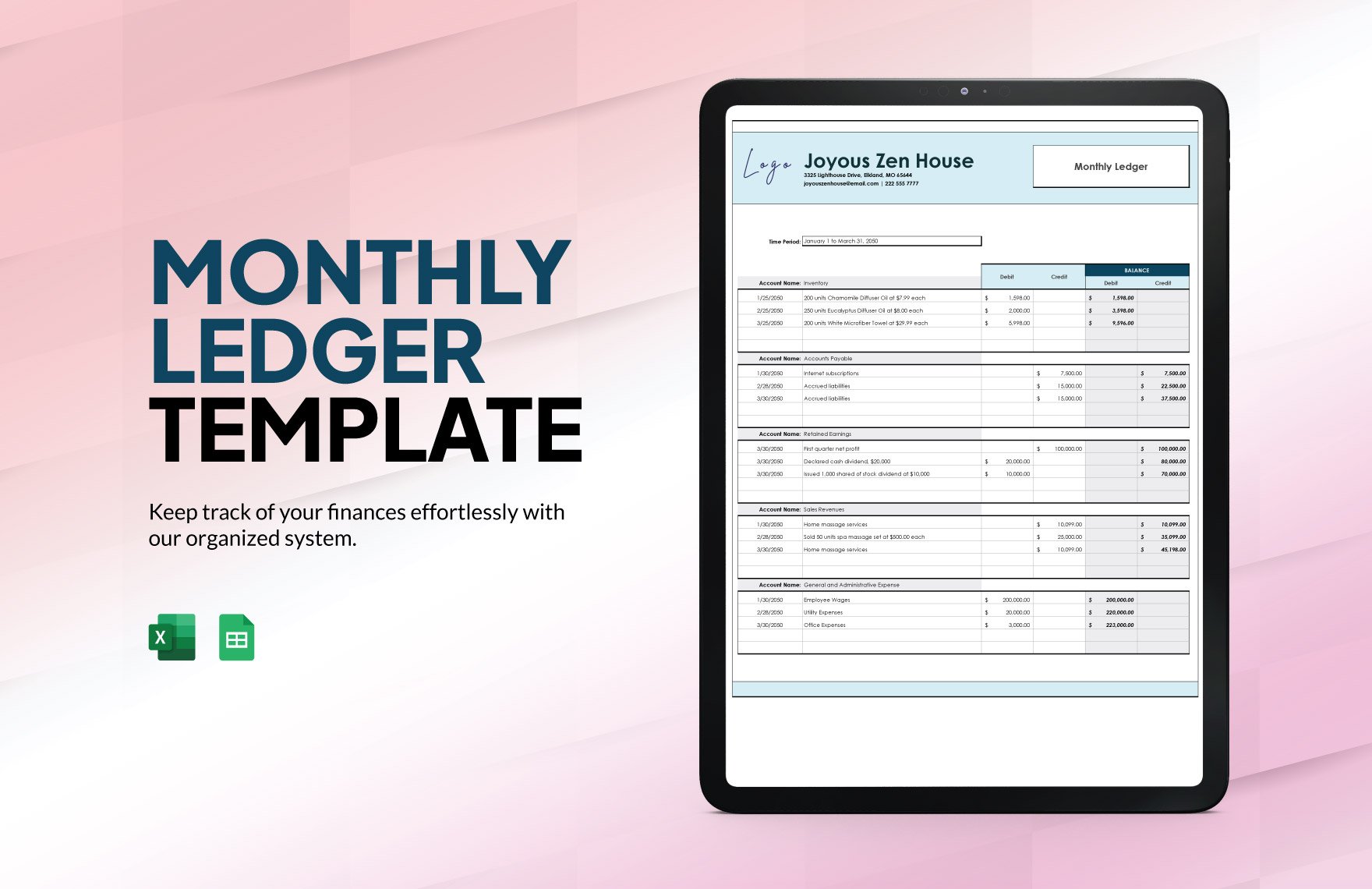
Monthly Ledger Template
Source: Template.net
Chart of Accounts Template
Source: Template.net
Accounting Journal Entry Template
Source: Template.net

Bank Reconciliation Template
Source: Template.net
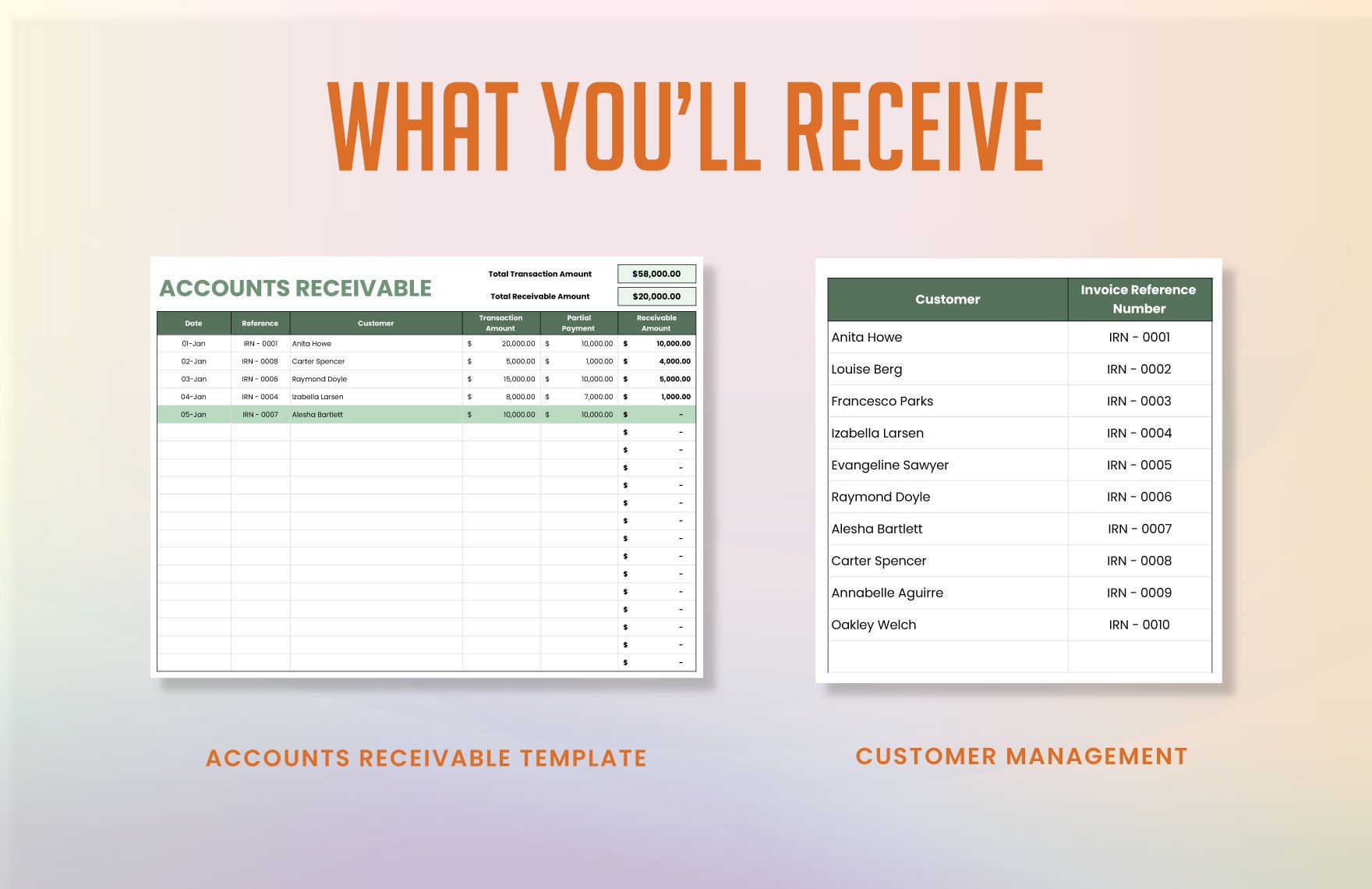
Accounts Receivable Template
Source: Template.net

Business Financial Statement Template
Source: Template.net

General Ledger Accounting Template
Source: Template.net
Financial Statement Consolidation Template
Source: Template.net
Account Reconciliation Tracking Template
Source: Template.net
Asset Depreciation Schedule
Source: Spreadsheet Man
