The best resume is therefore not necessarily the most visually elaborate one. A focused document with clear headings, relevant scientific experience, measurable accomplishments, publications, presentations, and carefully selected skills can make a stronger case than a heavily designed page. Current MSL job descriptions commonly emphasize scientific exchange, KOL relationships, medical education, field insights, evidence interpretation, research support, and compliant communication.
This guide explains how to build a practical medical science liaison resume Template for entry-level candidates, experienced MSLs, medical affairs professionals, clinical researchers, pharmacists, physicians, scientists, and career changers. It also covers resume structure, ATS considerations, achievement writing, education, publications, therapeutic-area positioning, file formats, common mistakes, and career preparation.
Because the search intent around MSL resumes often overlaps with CVs, downloadable documents, Word files, PDF files, Google Docs, job descriptions, and career information, the article also explains how to evaluate those formats without assuming that every template or download advertised online is suitable for a specific employer.
The central principle is simple: use the template as a framework, not as a substitute for evidence. Your scientific background, research experience, communication record, and ability to create credible relationships should remain the substance of the document.
What Is a Medical Science Liaison Resume Template?
A medical science liaison resume Template is a structured resume framework designed around the evidence employers commonly look for in Medical Science Liaison candidates. Unlike a generic resume, it gives more space to scientific specialization, clinical or translational research, therapeutic-area knowledge, publications, presentations, stakeholder engagement, and medical communication.
The MSL function is primarily scientific rather than sales-driven. Professional guidance describes scientific exchange, evidence generation, and gathering actionable insights as major responsibilities. MSLs may communicate clinical evidence, educate healthcare professionals, support research activities, and relay field insights to internal Medical Affairs or research teams.
That distinction matters when writing a resume. A candidate should avoid turning the document into a commercial-sales profile unless the target role explicitly combines commercial and medical responsibilities. Instead, emphasize credible scientific interaction, evidence interpretation, research collaboration, education, and professional relationships.
A useful template normally contains a professional headline, summary, core scientific skills, professional experience, education, research experience, publications or presentations, certifications, and optional professional affiliations. The exact sections should be adapted to the candidate’s career stage and the requirements of the target position.
The strongest template is also flexible. A recent PhD graduate may need more room for research projects and publications, while an experienced MSL may devote more space to therapeutic-area leadership, KOL engagement, strategic medical activities, and measurable field impact.
Why the Structure Matters
Recruiters often need to identify fit quickly. A predictable structure helps them locate the candidate’s highest qualification, therapeutic expertise, relevant experience, and evidence of communication ability without searching through decorative elements.
For an MSL, the first scan should answer several questions: What is this person’s scientific or clinical background? What therapeutic areas do they understand? Have they communicated science to professional audiences? Have they conducted or supported research? Can they demonstrate meaningful stakeholder engagement?
The document should also show progression. Someone moving from research into Medical Affairs can demonstrate progression through increasing responsibility, conference presentations, investigator collaboration, publication work, teaching, cross-functional projects, or external scientific engagement.
Use headings that are immediately understandable, such as Professional Summary, Experience, Education, Research Experience, Publications, Presentations, Certifications, and Skills. Standard terminology is easier for both human reviewers and automated systems to interpret.
A template should never force every applicant into the same layout. A two-column design may work visually, but a single-column structure is often easier to parse and maintain. For a scientific role, content hierarchy is more important than visual novelty.
Core Components of a Medical Science Liaison Resume Template
The contact header should be concise. Include your name, professional designation where appropriate, city or region, phone number, professional email address, and a professional LinkedIn profile if it adds value. A full street address is generally unnecessary unless specifically relevant to the application.
Your professional headline can immediately establish positioning. Examples include “Medical Science Liaison | Oncology | Clinical Research” or “PharmD | Medical Affairs | Hematology & Scientific Engagement.” The headline should reflect genuine expertise rather than a target role you have no evidence to support.
The summary should answer why your background fits the MSL position. Instead of writing “hardworking professional with excellent communication skills,” identify your scientific foundation, therapeutic area, relevant experience, and strongest contribution.
For example, a hypothetical summary could state that a PhD-trained immunology researcher has experience translating experimental findings into conference presentations, collaborating with clinical investigators, analyzing published evidence, and educating multidisciplinary audiences. That gives the recruiter evidence rather than generic claims.
Keep the summary compact. Its job is to create context for the rest of the document, not repeat every accomplishment that will appear later.
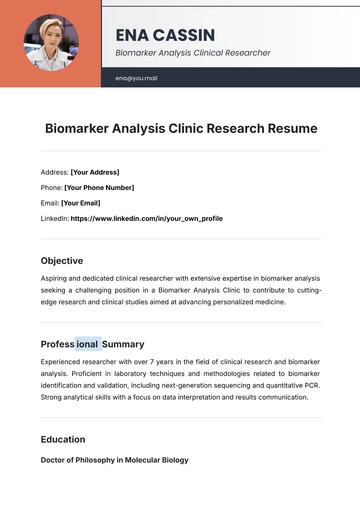
Professional Experience
The experience section is usually the most important part of the resume for experienced candidates. Each position should show the employer, job title, location if useful, dates, and several accomplishment-oriented bullets.
Do not simply reproduce a job description. A responsibility such as “presented scientific information to healthcare professionals” is understandable but weak because it describes activity rather than value.
A stronger hypothetical bullet might read: “Developed and delivered evidence-based educational presentations for multidisciplinary clinical audiences, translating complex clinical-trial findings into practical disease-state discussions.”
When legitimate numbers exist, use them. Examples include the number of scientific presentations, advisory meetings, research projects, publications supported, institutions engaged, studies coordinated, or educational programs delivered.
Avoid inventing metrics. If you cannot verify a percentage or numerical outcome, describe the scope qualitatively instead of manufacturing precision.
Scientific and Therapeutic Expertise
MSL candidates should make their scientific specialization easy to identify. Depending on the position, this may include oncology, immunology, neurology, cardiology, dermatology, hematology, endocrinology, rare disease, infectious disease, or another therapeutic area.
Therapeutic expertise should be supported by evidence elsewhere in the resume. A candidate who lists oncology as a skill but has no oncology research, clinical experience, publication, coursework, or professional activity may appear less credible than someone who explains exactly how that expertise was developed.
Research methods can also be valuable. Depending on the background, relevant areas may include clinical research, translational research, evidence synthesis, literature review, biostatistics, pharmacology, pharmacokinetics, epidemiology, real-world evidence, clinical trials, or medical writing.
Technical tools should be included when they are relevant to the target position. Examples may include statistical software, clinical databases, literature databases, CRM platforms, presentation tools, or data-analysis environments.
The goal is not to create the longest skills list. The goal is to create a defensible map between the job requirements and your actual capabilities.
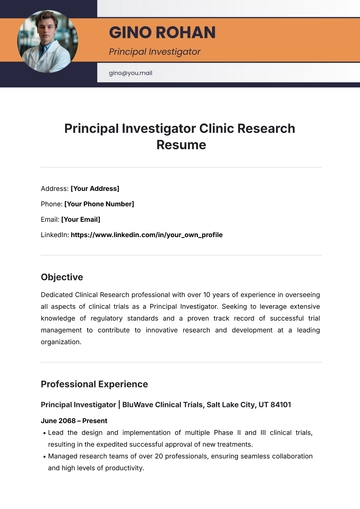
How to Write the Experience Section
Begin each bullet with a strong action verb that accurately reflects what you did. Useful verbs include analyzed, interpreted, presented, educated, collaborated, facilitated, developed, evaluated, translated, synthesized, supported, coordinated, investigated, authored, reviewed, engaged, and communicated.
Follow the action with the scientific or professional activity. Then explain the audience, scope, purpose, or result. A useful formula is: action + scientific context + audience or scope + outcome.
For example, instead of “Responsible for literature reviews,” write a hypothetical bullet such as “Synthesized peer-reviewed evidence across immunology literature to support internal scientific briefings and investigator discussions.”
For an MSL with field experience, the bullets can emphasize external scientific exchange. A hypothetical example might say: “Established and maintained professional scientific relationships with regional investigators and healthcare professionals across an assigned therapeutic area, documenting field insights for Medical Affairs strategy.”
For a research scientist transitioning into Medical Affairs, emphasize transferable evidence. Research leadership, scientific presentations, manuscript preparation, investigator collaboration, teaching, conference participation, and multidisciplinary communication can all demonstrate relevant capabilities.
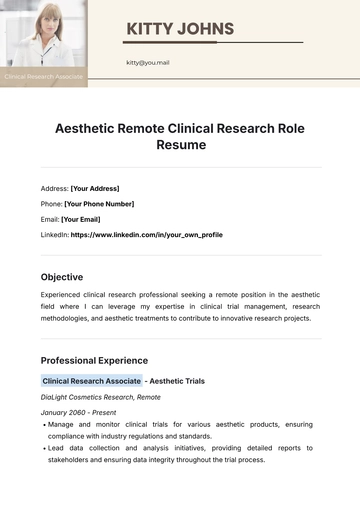
Using Metrics Without Overclaiming
Metrics can make achievements easier to evaluate, but MSL work is not always reducible to sales-style numbers. Scientific relationship building, insight generation, education, and evidence exchange can have important qualitative dimensions. Research into MSL performance has specifically noted the challenge of measuring activities whose value includes relationship building and knowledge exchange. :contentReference[oaicite:3]{index=3}
Useful metrics may include the number of external experts engaged, educational programs delivered, research projects supported, publications contributed to, advisory boards facilitated, scientific inquiries handled, or institutions covered.
Qualitative outcomes can also be written clearly. Examples include informing a medical plan, identifying an evidence gap, supporting investigator collaboration, improving educational materials, contributing to a publication strategy, or helping internal teams understand emerging scientific trends.
If your experience does not include traditional MSL activity, do not force MSL terminology into every bullet. Instead, show the underlying capability honestly and let the recruiter see the connection.
The most persuasive metrics are those that a hiring manager could reasonably verify during an interview. Accuracy is more valuable than impressive-looking numbers.
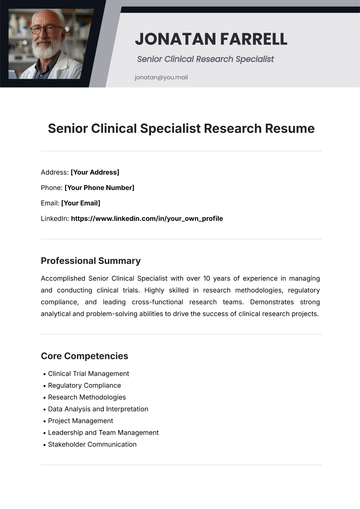
Education, Research, Publications, and Presentations
Education is especially important for MSL candidates because the function requires substantial scientific and medical credibility. Professional guidance identifies advanced scientific or medical education as a common foundation for MSL work, with qualifications such as PharmD, MD, and PhD frequently represented. :contentReference[oaicite:4]{index=4}
List the highest relevant degree first. Include the degree, discipline, institution, and location where appropriate. For recent graduates, relevant thesis or dissertation topics can be useful when directly connected to the target therapeutic area.
Research experience deserves its own section when it is a major strength. Explain the research question, methodology, therapeutic context, your responsibility, and any meaningful output such as publications, posters, presentations, datasets, or collaborations.
Publications can establish scientific credibility, especially for candidates moving from academia or research into field medical positions. You do not need to reproduce entire citations if the list is long. A selected-publications section can highlight the most relevant work, with a note that additional publications are available if appropriate.
Presentations are also valuable because MSL work depends heavily on communicating scientific information to professional audiences. Include conference presentations, invited talks, educational lectures, poster presentations, and other relevant scientific communication activities.
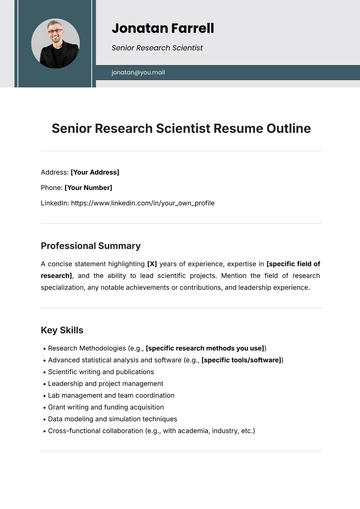
Certifications and Professional Development
Certifications should be included only when they are relevant to the position or demonstrate meaningful professional development. Examples might include clinical research training, Good Clinical Practice training, medical affairs education, regulatory training, or therapeutic-area qualifications.
Do not fill the section with unrelated certificates simply to make the resume appear longer. A short, targeted list is more credible.
Continuing education can be particularly useful for candidates entering Medical Affairs from another scientific discipline. Evidence of learning about clinical development, medical communication, regulatory concepts, or healthcare systems can help demonstrate intentional career preparation.
For senior candidates, the certification section should remain subordinate to professional achievements. Years of relevant scientific work, leadership, publications, field experience, and strategic contributions generally provide stronger evidence than a long list of short courses.
Always use the official name of a qualification and avoid claiming a credential you have not actually earned.
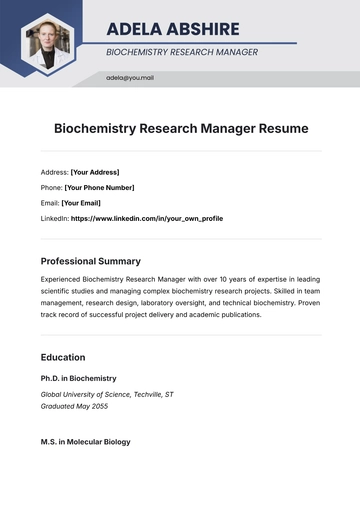
ATS-Friendly Formatting for an MSL Resume
An applicant tracking system can influence how resumes are stored, searched, or ranked, although exact systems and parsing behavior vary by employer. A practical approach is therefore to use conventional section headings, readable typography, normal text, and a logical document order.
Avoid putting essential information only inside graphics, icons, headers, footers, or text boxes. If a recruiter needs to know that you have a PhD, oncology experience, clinical research expertise, or publication history, that information should appear as selectable text.
Single-column layouts are often the safest choice when parsing reliability is a priority. Two-column layouts can still be readable, but they require more care because content order may become ambiguous when extracted.
Use consistent dates. “January 2023 – Present” is clearer than mixing formats such as “1/23–Now,” “2023-current,” and “Jan 2023.” Consistency makes career progression easier to understand.
Before submitting, export the final file and inspect it visually. Check page breaks, bullet alignment, section headings, hyperlinks, special characters, and the order of information. The file that looks correct in an editor is not necessarily identical after export.
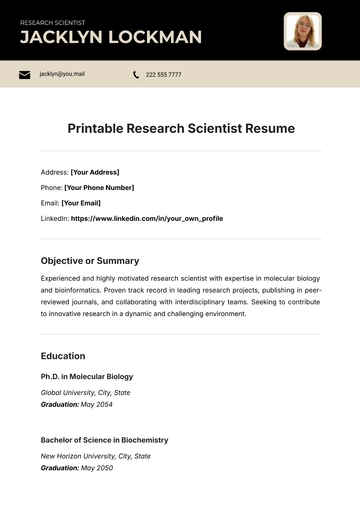
Choosing One Page or Two Pages
A one-page resume can work well for students, recent graduates, and candidates with limited relevant experience. It forces prioritization and can make the most important evidence easier to find.
Experienced MSLs and scientific professionals may legitimately need two pages. Removing important research, leadership, therapeutic expertise, or publication information merely to achieve one page can weaken the application.
The correct question is not “How many pages should every resume have?” It is “How much relevant evidence is needed to communicate fit without unnecessary detail?”
Older or less relevant positions can usually be compressed. The most recent and relevant roles should receive the greatest detail, especially where they demonstrate scientific engagement, therapeutic expertise, and measurable impact.
Never solve a length problem by making the font uncomfortably small or shrinking margins to the point that the document becomes difficult to read. Editing content is usually more effective.
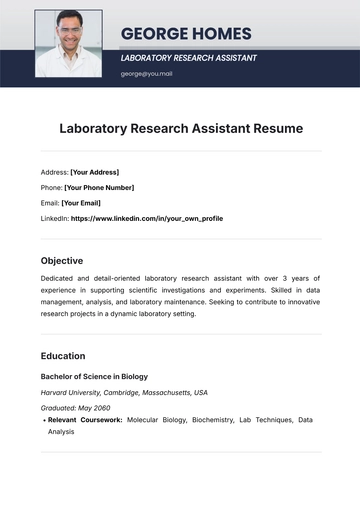
Medical Science Liaison Job Description: What to Look For
Reading a medical science liaison job description carefully is one of the most important steps in tailoring a resume. Current postings commonly describe the MSL as a field-based scientific or medical expert responsible for scientific exchange, relationships with KOLs and healthcare professionals, medical education, insights, research support, and cross-functional collaboration. :contentReference[oaicite:5]{index=5}
Look for repeated requirements across the posting. If the employer emphasizes a particular therapeutic area, that should influence the order and wording of your evidence. If the role emphasizes investigator relationships, clinical research, or scientific presentations, those experiences should be more prominent.
Separate “required” qualifications from “preferred” qualifications. A job description may mention an advanced degree, therapeutic experience, travel, presentation skills, or research experience as requirements while listing additional experience as preferred.
Pay attention to verbs. Words such as engage, develop, communicate, educate, analyze, collaborate, identify, support, gather, present, and translate can reveal the behaviors the employer expects the successful candidate to demonstrate.
Then compare those behaviors with your existing resume. The goal is not to copy the posting. The goal is to make your existing evidence easier to recognize.
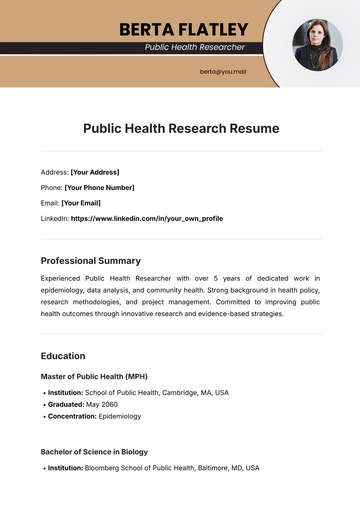
Medical Science Liaison Job and Career Positioning
A medical science liaison job is fundamentally different from a conventional sales position because the MSL function centers on scientific exchange and medical expertise. Current role descriptions emphasize evidence-based, non-promotional communication and professional scientific relationships. :contentReference[oaicite:6]{index=6}
That difference should be visible in the resume. A candidate with commercial experience should emphasize scientific education, clinical knowledge, compliant communication, stakeholder engagement, and evidence interpretation rather than relying primarily on sales targets.
A candidate from academia should show that they can operate beyond the laboratory. Teaching, presenting, collaborating with clinicians, translating research, attending scientific conferences, working with multidisciplinary teams, and communicating findings to non-specialist audiences can all demonstrate relevant skills.
A clinical professional should connect patient-care knowledge to scientific communication, research, education, and therapeutic expertise. A pharmacist may highlight pharmacotherapy and clinical education, while a physician may emphasize clinical practice, research, publications, and peer-level scientific discussion.
The resume should tell a coherent career story. Recruiters should understand why your background logically leads to the MSL role rather than feeling that the application is an unrelated career experiment.
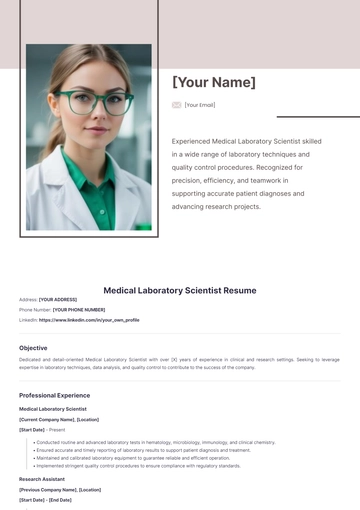
Medical Science Liaison Careers and Career Development
Medical science liaison careers can develop in several directions within Medical Affairs and related functions. Depending on experience and organizational structure, professionals may progress toward senior field medical roles, regional or national leadership, medical strategy, medical affairs management, or specialized scientific functions.
Career development is easier to communicate when the resume shows increasing responsibility. A progression from research associate to scientist, scientist to field medical professional, or MSL to senior MSL can be explained through increasingly complex projects and broader stakeholder responsibilities.
Therapeutic specialization can also become an important career asset. Deep expertise in a disease area can support credibility with external experts, particularly when it is supported by research, clinical knowledge, publications, and ongoing scientific education.
Another useful career signal is cross-functional experience. MSLs frequently interact with Medical Affairs, clinical development, research, regulatory, market access, and other internal partners. Current literature describes the growing importance of cross-functional collaboration and evidence-informed strategic contributions. :contentReference[oaicite:7]{index=7}
Your resume should therefore show both scientific depth and organizational awareness without suggesting that the MSL is primarily a commercial function.
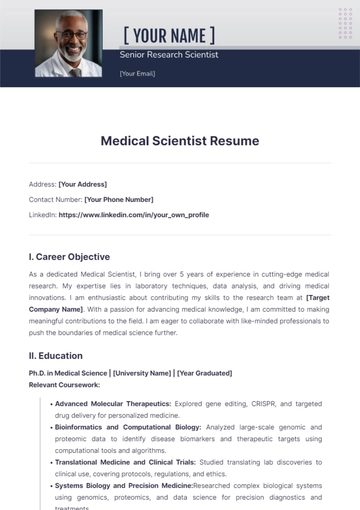
How to Become Medical Science Liaison
The question of how to become medical science liaison has no single universal route. Many MSLs come from advanced scientific, medical, pharmacy, clinical, or research backgrounds, while exact qualification expectations vary by employer, therapeutic area, geography, and seniority. Professional best-practice guidance identifies advanced scientific or medical training, scientific expertise, communication skills, and interpersonal ability as important foundations. :contentReference[oaicite:8]{index=8}
A practical first step is to build deep expertise in a relevant scientific or therapeutic area. This may happen through doctoral study, pharmacy education, medicine, clinical practice, biomedical research, clinical research, or another appropriate scientific pathway.
The next step is to develop communication experience. Scientific knowledge has limited value in an MSL role if it cannot be communicated clearly to healthcare professionals, investigators, and other stakeholders. Presentations, teaching, scientific writing, conference participation, and multidisciplinary collaboration can all provide evidence.
Research experience is another strong foundation. Experience interpreting literature, analyzing data, understanding clinical-study design, working with investigators, or contributing to publications can demonstrate the analytical foundation required for scientific exchange.
Finally, learn the professional expectations of Medical Affairs. Candidates should understand the distinction between scientific exchange and promotional communication, the importance of compliance, appropriate handling of scientific inquiries, and the ethical boundaries of external stakeholder engagement. :contentReference[oaicite:9]{index=9}

Building a Career-Changer Resume
Career changers should not apologize for coming from another professional path. Instead, identify the strongest transferable evidence and make it prominent.
For example, a clinical researcher can emphasize investigator collaboration, study design, evidence interpretation, presentations, and publication work. A pharmacist can highlight clinical education, therapeutic expertise, patient-care knowledge, and professional communication. A PhD scientist can emphasize scientific credibility, research leadership, data interpretation, and communication.
The professional summary can explicitly frame the transition. A hypothetical example could say: “PhD-trained molecular biologist transitioning into Medical Affairs, with experience translating translational research into conference presentations, scientific manuscripts, and multidisciplinary education.”
The experience section should then prove that statement. If the summary claims strong communication, the experience section should show presentations, teaching, publications, or stakeholder interaction.
Do not try to hide a career transition. A coherent explanation is usually stronger than a resume that makes the reader guess why the candidate is applying.

Medical Science Liaison CV Versus Resume
A medical science liaison CV can be more extensive than a conventional resume when the candidate has substantial academic, clinical, or research experience. The distinction between a CV and resume also varies by country and employer, so the requested format should always take precedence.
A CV may include a longer publication list, conference presentations, research projects, teaching, grants, academic appointments, professional memberships, and detailed education.
A resume generally prioritizes the most relevant evidence for a particular position. For an MSL application, that means scientific expertise, therapeutic-area knowledge, stakeholder engagement, communication, clinical or research experience, and accomplishments that demonstrate professional impact.
For an experienced academic moving into Medical Affairs, a hybrid approach can work well: maintain a concise application resume while retaining a separate comprehensive CV with the complete publication and presentation history.
Whichever format is used, relevance should control the level of detail. A long document is not automatically a stronger scientific application.

Common Medical Science Liaison Resume Mistakes
One common mistake is using a generic scientific resume without adapting it to the MSL role. A research-heavy document may demonstrate excellent science but fail to show communication, external engagement, education, or stakeholder skills.
Another mistake is listing “communication” as a skill without evidence. Communication is more persuasive when demonstrated through presentations, publications, teaching, advisory discussions, conference activity, or stakeholder engagement.
Overloading the resume with technical terminology can also reduce clarity. Scientific detail should demonstrate expertise, not create a document that only a specialist in one narrow field can understand.
Some candidates also overuse buzzwords such as strategic, dynamic, passionate, results-oriented, and innovative. These words have little value unless supported by concrete evidence.
Finally, never claim experience that you do not have. MSL interviews can explore therapeutic knowledge, clinical evidence, scientific reasoning, and stakeholder scenarios in considerable depth. Accuracy protects credibility.

Practical Resume Examples by Candidate Type
A recent doctoral graduate might structure the resume around education, dissertation research, publications, presentations, research methods, therapeutic specialization, and relevant collaborations. The summary should explain the candidate’s scientific identity and transition into field medical work.
An experienced clinical researcher could lead with clinical research expertise, study coordination, investigator interaction, data interpretation, regulatory knowledge, and scientific communication. Publications and conference presentations can reinforce credibility.
An experienced MSL should give greater weight to scientific exchange, KOL engagement, field insights, medical education, territory strategy, research support, advisory activities, and cross-functional collaboration.
A senior Medical Affairs professional may use a two-page format that emphasizes strategic leadership, therapeutic-area ownership, evidence-generation activities, field medical strategy, mentoring, and organizational impact.
Each version can use the same medical science liaison resume Template framework while changing the evidence hierarchy to match the candidate’s experience.

Practical Solution
The most effective way to use a medical science liaison resume Template is to build a master document first and then create targeted versions for individual positions. Keep every accurate achievement, publication, presentation, research project, therapeutic competency, and professional credential in the master file.
Start by copying the target employer’s requirements into a private checklist. Divide them into scientific expertise, therapeutic area, stakeholder engagement, research, communication, education, regulatory or compliance knowledge, technology, and logistics such as travel requirements.
Next, audit your master resume against that checklist. For every major requirement, identify at least one truthful piece of evidence. If you cannot find evidence, do not manufacture it. Instead, determine whether another relevant experience demonstrates a closely related capability.
Rewrite the professional summary after completing the evidence audit. This prevents the summary from becoming a generic statement that is disconnected from the actual experience section.
Then revise the experience bullets. Give the strongest evidence the most space, and compress older or less relevant positions. Prioritize accomplishments over routine responsibilities.
After editing the content, perform a formatting audit. Confirm that headings are consistent, dates use one format, bullet styles match, the document is readable, and important information is not trapped inside images or decorative elements.
Export the document into the file type requested by the employer. If no format is specified, maintain an editable master copy and a carefully reviewed PDF copy. Do not assume that a template advertised as “free,” “ATS-friendly,” or “professional” is automatically appropriate for every application.
Finally, conduct a scientific credibility check. Read the document as though you were a healthcare professional deciding whether the candidate could participate in a peer-to-peer scientific conversation. Every major claim should be supportable through the candidate’s education, research, clinical experience, publications, presentations, or professional achievements.
This workflow turns a template into a strategic application document rather than a decorative form. The objective is to make the connection between scientific expertise and Medical Affairs value immediately visible.
Reference Examples
The following examples illustrate different resume and CV layouts that can help inform structure, hierarchy, file-format decisions, and content organization. They are examples of document design rather than guarantees of suitability for a particular employer.
medical science liaison resume template download
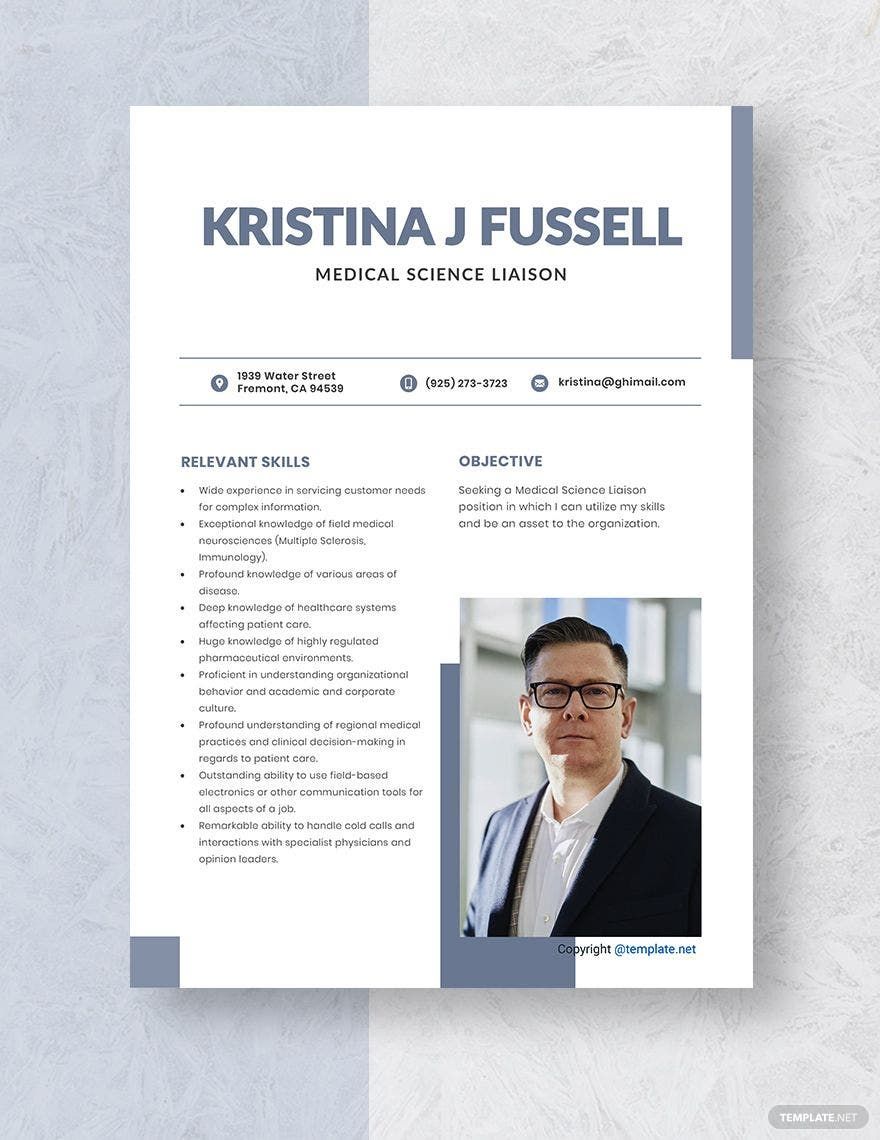
Source: Template.net
medical science liaison resume template free

Source: Template.net
medical science liaison resume template free download

Source: VelvetJobs
medical science liaison resume template pdf

Source: VelvetJobs
medical science liaison resume template word

Source: VelvetJobs
medical science liaison resume template reddit

Source: VelvetJobs
medical science liaison resume template google docs

Source: Etsy
medical science liaison cv

Source: VelvetJobs
medical science liaison job description

Source: VelvetJobs
medical science liaison job

Source: VelvetJobs
medical science liaison careers
Source: VelvetJobs
how to become medical science liaison

Source: VelvetJobs
Frequently Asked Questions
What should a medical science liaison resume Template include?
A strong template normally includes contact information, a focused professional summary, relevant scientific and therapeutic skills, professional experience, education, research experience, publications or presentations when relevant, certifications, and selected professional affiliations. The exact sections should reflect the candidate’s experience and the target job.
Should an MSL resume emphasize scientific expertise?
Yes. Scientific expertise is fundamental to the MSL function. Professional guidance describes MSLs as scientific resources responsible for credible scientific exchange, evidence generation, and field insight gathering. :contentReference[oaicite:10]{index=10}
Should I include publications on an MSL resume?
Include publications when they demonstrate relevant scientific expertise, therapeutic-area knowledge, research experience, or communication ability. Researchers with extensive publication records can use a selected-publications section and maintain a separate comprehensive CV.
How long should an MSL resume be?
There is no universal page limit. Early-career applicants can often communicate their strongest evidence on one page, while experienced scientific or Medical Affairs professionals may need two pages. Relevance and readability matter more than an arbitrary page count.
Should I use a highly designed template?
Not necessarily. A clean, professional layout is usually preferable to a design that prioritizes graphics over content. Scientific credibility, clear hierarchy, readable text, and easy identification of relevant experience should guide the design.
How should I tailor my resume to a medical science liaison job description?
Identify the therapeutic area, scientific requirements, stakeholder responsibilities, research expectations, communication requirements, and compliance-related language in the posting. Then make your truthful evidence for those requirements prominent in the summary, skills, and experience sections.
What skills are especially relevant to MSL applications?
Relevant skills can include scientific communication, therapeutic-area expertise, clinical research, evidence interpretation, literature evaluation, medical education, presentation development, stakeholder engagement, scientific writing, data analysis, and cross-functional collaboration. The exact mix should reflect the target position.
Do I need an advanced degree to work as an MSL?
Many MSL positions expect advanced scientific, medical, or pharmacy qualifications, although requirements vary by employer and role. Professional guidance identifies advanced scientific or medical education as a common foundation, while individual job descriptions should be treated as the definitive requirement for each application. :contentReference[oaicite:11]{index=11}
Can a PhD scientist transition into Medical Science Liaison work?
Yes, depending on the employer and position. A PhD can provide strong scientific credibility, but the resume should also demonstrate communication, professional relationship building, research translation, presentation ability, and an understanding of the Medical Affairs environment.
Can a clinical researcher use an MSL resume format?
Yes. Clinical researchers often have transferable experience in clinical evidence, study design, investigator interaction, data interpretation, scientific writing, and presentations. The resume should make those connections explicit without overstating direct MSL experience.
Conclusion
A high-quality medical science liaison resume Template is ultimately a framework for presenting scientific credibility, not merely a page design. The strongest version makes it easy to see the candidate’s therapeutic expertise, research foundation, communication ability, stakeholder experience, publications or presentations, and professional achievements. Tailor the content to the actual position, keep every claim accurate, use a clean and readable structure, and let relevant evidence carry the application. When used this way, a medical science liaison resume Template can become a practical career tool for researchers, clinicians, pharmacists, scientists, experienced MSLs, and professionals preparing for their next opportunity in Medical Affairs.
