For a small business, the quality of the loan package can matter almost as much as the individual pieces inside it. Lenders commonly review information about the business, ownership, financial performance, existing obligations, requested amount, intended use of funds, and repayment capacity. Requirements vary significantly by lender, loan type, country, industry, and borrower profile, so a template should be treated as an organizational tool rather than an official universal application form. :contentReference[oaicite:0]{index=0}
The most useful approach is to build the document around the lender’s actual requirements and then use the template to keep the information consistent. That means the business name, legal structure, requested amount, projected figures, debt schedule, and use of proceeds should agree across the application, business plan, financial statements, and supporting schedules. A polished document cannot compensate for inconsistent or unsupported information.
This guide explains how to create a practical business loan template document, what sections it should contain, how to choose between Word, Excel, and PDF formats, how to organize supporting evidence, and how to review the finished package before submission. It also covers common mistakes and shows how a reusable template can become part of a broader financial management workflow.
Whether the document is intended for a bank, credit union, online lender, government-backed program, private lender, or internal financing arrangement, the underlying principle is the same: make the requested financing easy to understand, easy to verify, and logically connected to the business’s ability to repay it.
What Is a Business Loan Template Document?
A business loan template document is a reusable framework for presenting a company’s financing request. Depending on its purpose, it may function as an application worksheet, loan proposal, funding memorandum, document checklist, financial summary, or complete loan-package organizer. It is not necessarily the legal loan agreement itself.
The distinction matters because an application package and a final lending contract serve different purposes. An application explains who is borrowing, how much is requested, why the funds are needed, and why the business appears capable of repayment. A final agreement establishes binding obligations such as interest, repayment dates, default provisions, collateral, representations, and other contractual terms.
A good template therefore separates descriptive information from supporting evidence. For example, a funding request might state that a hypothetical retailer is seeking $80,000 to expand inventory and renovate a sales area. The financial section would then show the assumptions supporting that request, while invoices, historical statements, projections, or other documents provide evidence.
Templates also improve repeatability. A company that expects to seek financing more than once can maintain a master version containing stable business information while creating a new application package for each financing event. This reduces transcription errors and makes it easier to compare what changed between one funding request and another.
The strongest template is not necessarily the longest one. Its value comes from logical organization. A lender should be able to move from the business overview to the funding request, from the funding request to the financial evidence, and from the financial evidence to the repayment plan without searching through unrelated material.
Why a Structured Loan Document Matters
Business financing involves uncertainty for both sides. The borrower wants capital on workable terms, while the lender wants enough information to judge repayment capacity and risk. A structured document helps bridge that information gap by presenting the borrower’s story alongside measurable evidence.
For established businesses, financial statements can provide a historical picture of revenue, expenses, assets, liabilities, and cash movement. For newer businesses, projections and a detailed business plan can become especially important because there may be less historical performance to evaluate. The U.S. Small Business Administration, for example, advises businesses preparing funding requests to explain the amount and purpose of the request and supplement the request with financial projections. :contentReference[oaicite:1]{index=1}
Organization also makes document review more efficient. A lender may request several categories of information, including business formation records, bank statements, tax returns, financial statements, ownership information, business plans, and information about existing debt. Requirements differ, but a centralized package makes it easier to identify missing items before submission. :contentReference[oaicite:2]{index=2}
Another advantage is internal discipline. Preparing a loan document forces the owner to quantify the proposed use of funds rather than relying on a general statement such as “for business growth.” A more useful request might separate equipment, inventory, renovation, marketing, working capital, and professional fees, with assumptions explaining each category.
Finally, a reusable document creates an audit trail for management. After the loan is funded, the original request can be compared with actual spending and financial performance. That comparison can help management determine whether the financing achieved its intended purpose and whether future borrowing assumptions need to change.
Core Sections of a Professional Business Loan Template Document
1. Business Identification
Begin with the legal business name and any trade or operating name used publicly. Include the business address, contact information, legal structure, date established, ownership structure, and relevant registration or tax identification information when the lender requests it.
The identification section should match the company’s official records. If a company operates under a trade name that differs from its legal name, the distinction should be clear rather than hidden in the narrative. Inconsistent names across forms can create avoidable verification questions.
For a multi-owner business, identify the owners or controlling parties according to the lender’s requested format. Do not provide unnecessary personal information in a general template. Sensitive identifiers should be supplied only through a secure lender-controlled process when they are actually required.
A useful template can include a short “business profile” box containing the industry, primary products or services, operating locations, number of years in business, and a one- or two-sentence description of the company’s revenue model.
This opening section should be concise. Its job is to establish exactly who the borrower is before the document moves into the financing request.

2. Loan Request Summary
The loan request should state the amount being requested, the preferred financing structure if known, the proposed term if appropriate, and the main purpose of the funds. If the business is considering several uses, break them into categories rather than presenting one unexplained total.
A hypothetical request might say that a company is seeking $120,000, with $70,000 allocated to equipment, $30,000 to inventory, and $20,000 retained as working capital. These numbers are illustrative only; a real request should be based on documented needs and realistic cash-flow assumptions.
Explain why the timing matters. A request for equipment may be tied to a planned production expansion, while a working-capital request may address a recurring timing gap between supplier payments and customer collections. The purpose should connect directly to a measurable business objective.
A strong request also explains the expected business effect without promising guaranteed results. Instead of saying that the loan “will double revenue,” a more defensible statement might describe the additional production capacity, inventory availability, or operating flexibility the financing is intended to support.
Keep the summary readable enough that a reviewer can understand the request without opening the supporting schedules. Detailed calculations can follow in the financial section.
3. Use of Proceeds
The use-of-proceeds section converts a general funding request into a practical spending plan. Each category should have a purpose, an estimated amount, and, when appropriate, supporting documentation such as quotations, purchase estimates, contracts, or internal budgets.
Common categories can include equipment, inventory, technology, leasehold improvements, vehicles, marketing, staffing, refinancing, business acquisition expenses, or working capital. The correct categories depend on the actual financing request and the lender’s rules.
A useful table might contain four columns: spending category, estimated cost, amount financed, and borrower contribution. This allows the lender to see whether the business is contributing capital alongside the requested debt when applicable.
Avoid using vague categories such as “miscellaneous growth” for a substantial portion of the request. If an amount cannot yet be allocated precisely, explain the reason and identify the assumptions used to estimate it.
The final total in the use-of-proceeds table should reconcile exactly to the requested loan amount. If the total differs from the headline request, the discrepancy should be resolved before submission.

4. Business Overview and Management
The business overview should give the reader enough context to understand how the company earns revenue. Describe the products or services, primary customers, geographic market, sales channels, competitive position, and major operating activities.
The management section can summarize the experience and responsibilities of key decision-makers. The objective is not to create full résumés for every employee but to demonstrate that the people responsible for the business have relevant experience and understand the proposed plan.
For a startup or young company, explain how the management team’s experience supports the business model. For an established company, emphasize operating history, management continuity, and relevant capabilities that support the requested expansion.
Keep claims specific. Instead of describing management as “highly experienced,” identify the relevant experience in terms of years, functions, industry knowledge, or responsibilities where that information is appropriate and verifiable.
The business overview should also identify material risks honestly. A credible document does not pretend that every forecast is certain. It explains important dependencies and shows how management intends to monitor them.

5. Historical Financial Information
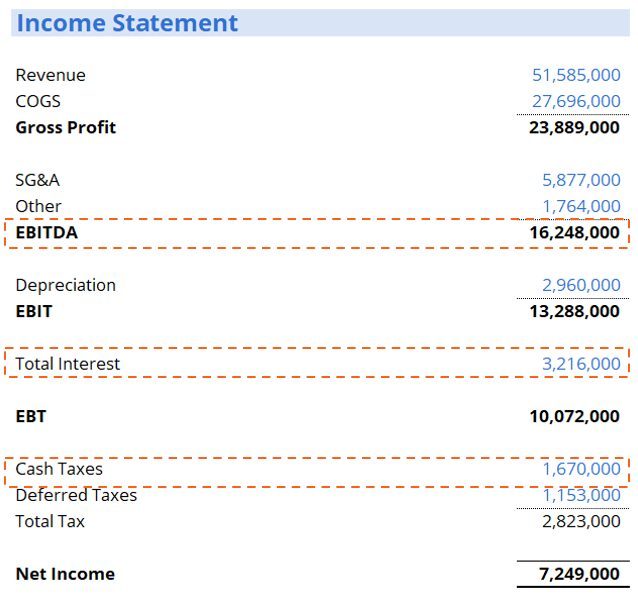
Historical financial information gives a lender a foundation for evaluating business performance. Depending on the lender, this may include profit and loss statements, balance sheets, cash-flow statements, tax returns, bank statements, accounts receivable, accounts payable, and schedules of existing debt.
The U.S. Small Business Administration notes that established businesses preparing a funding request may include historical income statements, balance sheets, and cash-flow statements, while projections can provide a forward-looking view of performance. :contentReference[oaicite:3]{index=3}
Historical figures should be internally consistent. Revenue in the narrative should not contradict revenue in the financial statements, and existing debt shown in a debt schedule should reconcile with the liabilities reported elsewhere.
When financial statements are prepared on different accounting bases or periods, explain the difference rather than silently combining them. A short reconciliation note can prevent confusion when figures from accounting software, tax returns, and management reports do not use identical classifications.
The template should also provide a clear place for the reporting period. A figure without a date or period is difficult to interpret and may be mistaken for a current or projected amount.

6. Financial Projections
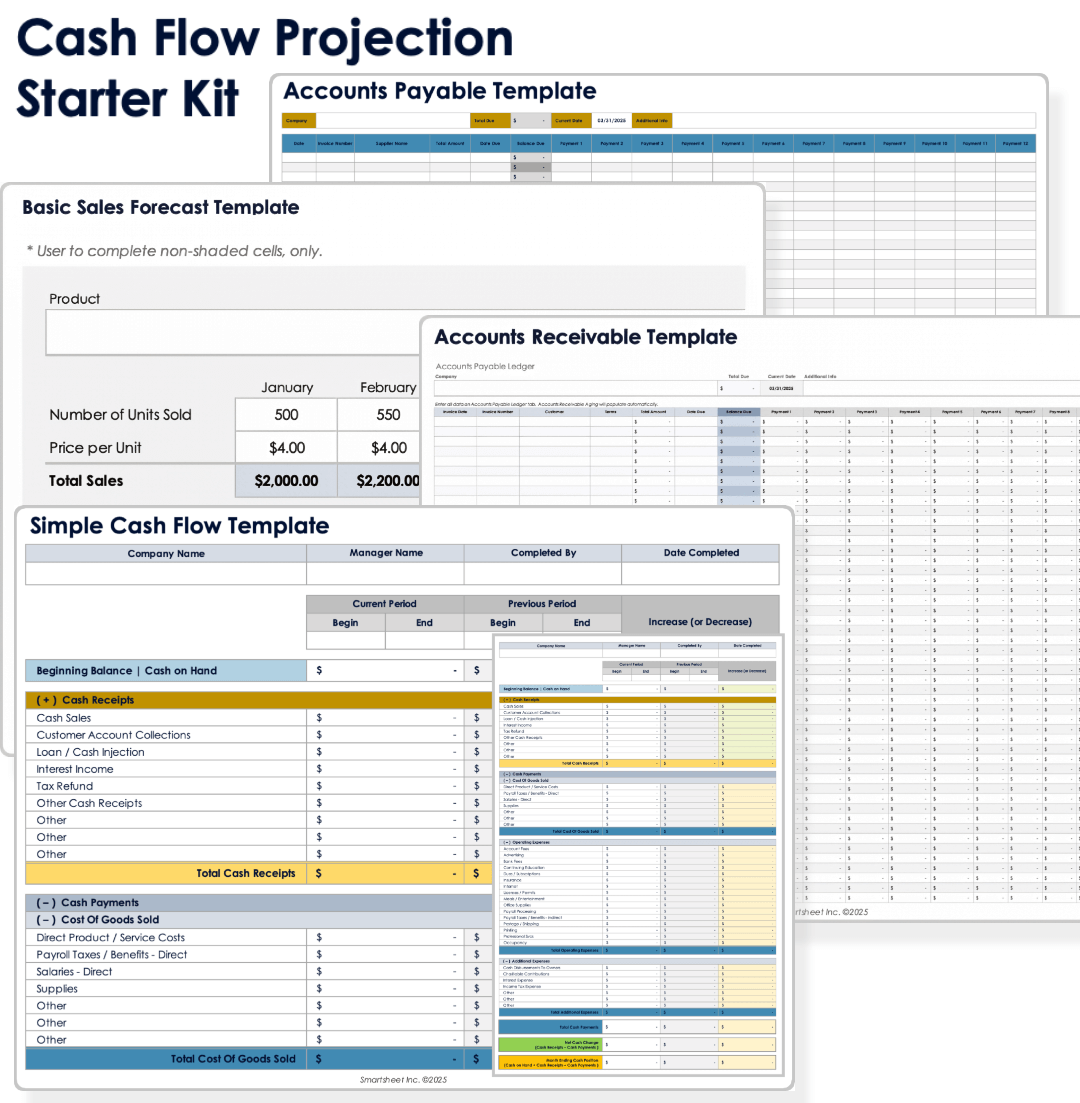
Financial projections should connect the loan request to future business activity. At minimum, a practical model can include projected revenue, cost of goods sold, operating expenses, operating profit, debt payments, taxes where applicable, and ending cash balances.
The first projection period deserves particular attention because assumptions are usually easier to evaluate when broken into monthly or quarterly intervals. The SBA recommends more detailed first-year projections for funding requests, including monthly or quarterly projections where appropriate. :contentReference[oaicite:4]{index=4}
Every major assumption should have a logical basis. Revenue assumptions might be based on units sold and price per unit, customer contracts, existing sales trends, capacity expansion, or another identifiable driver. Expense assumptions should similarly reflect staffing, rent, supplies, marketing, utilities, financing costs, and other operating requirements.
Avoid building a projection that only shows an optimistic scenario. A stronger internal analysis can include a base case, a downside case, and an upside case. The lender-facing document can then present the most defensible scenario while retaining the sensitivity analysis as supporting material if appropriate.
Projected cash flow is especially important because accounting profit does not automatically equal cash available for debt payments. Timing differences in customer collections, inventory purchases, taxes, and supplier payments can materially affect liquidity.
Choosing Between Word, Excel, and PDF Formats
Different file formats are useful at different stages. Word is generally well suited to narrative sections such as the business overview, executive summary, funding request, and explanation of assumptions. Excel or another spreadsheet format is better suited to calculations, schedules, projections, and scenario analysis.
A PDF is useful when the package needs to be shared as a fixed presentation document. It can preserve pagination, headings, tables, and formatting across devices. However, a PDF should normally be created from a controlled source document rather than treated as the primary calculation environment.
One practical workflow is to maintain a master Word document, a separate financial model, and a final PDF package. This separation makes it easier to update calculations without accidentally changing the narrative and makes it possible to archive the exact version that was submitted.
For documents that must be completed electronically, make sure fields are clearly labeled and that formulas are protected when appropriate. If the lender has supplied its own form, use that form rather than replacing it with a homemade equivalent.
The format should follow the recipient’s requirements. A template can make preparation easier, but it does not override a lender’s application process or document specifications.

How to Build the Template Step by Step
Start by identifying the actual financing decision the document needs to support. Determine whether the business is requesting a term loan, line of credit, equipment financing, acquisition financing, working capital, refinancing, or another structure. The purpose affects which sections need the greatest detail.
Next, collect the lender’s stated requirements. Requirements vary, and a general template should never be treated as a substitute for checking the specific lender’s current checklist. Bankrate, Chase, Forbes Advisor, and SBA materials all emphasize that required documents can differ by lender and loan program. :contentReference[oaicite:5]{index=5}
Create a document map before writing. A simple map can include business information, management, funding request, use of proceeds, historical financials, projections, debt schedule, collateral information if applicable, supporting documents, and declarations or signatures if required.
Then create standardized headings and tables. Consistent formatting reduces the chance that an important number will be overlooked. Use the same date format, currency convention, business name, and terminology throughout the package.
Finally, test the template with a hypothetical borrower. Fill in realistic example information and look for awkward fields, missing sections, unclear instructions, broken formulas, and inconsistent totals. A template should be tested as a workflow, not merely admired as a finished layout.

Step 1: Define the Financing Need
Write down the exact business problem the financing is intended to solve. “Need capital” is not enough. Ask whether the need relates to a specific purchase, seasonal working capital, expansion, refinancing, acquisition, technology investment, or another identifiable business activity.
Estimate the total project cost before deciding how much to borrow. The loan amount should be based on the actual funding gap rather than an arbitrary number chosen because it seems available.
Separate one-time costs from recurring costs. Equipment and renovation are usually different from payroll, inventory replenishment, and monthly operating expenses. This distinction helps determine whether a term loan, line of credit, or another structure is appropriate for further discussion with the lender.
Document any borrower contribution or other funding source. A project may involve owner capital, retained earnings, supplier credit, grants, equity investment, or existing cash reserves in addition to debt.
Once the funding need is defined, summarize it in a short paragraph that can become the opening of the final loan request. The summary should remain consistent with the detailed use-of-proceeds schedule.

Step 2: Build the Document Checklist
A checklist prevents the common problem of finishing the narrative while forgetting a supporting document. Start with the lender’s official requirements and separate them into business, financial, ownership, legal, collateral, and application categories.
Business records may include formation documents, licenses, registrations, leases, contracts, and ownership records. Financial records may include bank statements, tax returns, profit and loss statements, balance sheets, cash-flow statements, and debt schedules.
The exact requirements depend on the financing program. For example, the SBA identifies specific forms for certain SBA loan programs, including borrower information and personal financial statement forms. :contentReference[oaicite:6]{index=6}
Use a status column in your internal checklist with values such as “ready,” “needs update,” “requested,” and “not applicable.” This is more useful than simply marking documents as present or absent because it reveals what still requires action.
Before submission, conduct a final reconciliation between the checklist and the actual files. Every document referenced in the template should be present, current enough for the lender’s requirements, and named clearly enough that the reviewer can locate it.

Step 3: Prepare the Financial Model
The financial model should be built independently from the narrative whenever possible. This allows calculations to be tested without repeatedly editing the main document.
Start with historical information and establish a consistent baseline. Then create assumptions for sales volume, pricing, direct costs, operating expenses, capital spending, taxes, and financing. Each assumption should be easy to identify and change.
Add the proposed loan as a financing event rather than hiding it inside operating revenue. Loan proceeds are financing cash inflows, while principal repayments are financing cash outflows. Interest expense belongs in the appropriate financial statement treatment used by the business.
Test the model for errors. Check that totals equal the sum of their components, that beginning cash flows into ending cash, and that debt balances decline according to the repayment assumptions.
Finally, compare the model’s projected debt payments with realistic operating cash generation. A business loan should not be justified simply because the spreadsheet produces a positive result; the assumptions need to withstand reasonable scrutiny.

Step 4: Explain Repayment Capacity
Repayment capacity is the bridge between a funding request and a lender’s risk assessment. Explain which business cash flows are expected to support the payments and what operational assumptions underpin those cash flows.
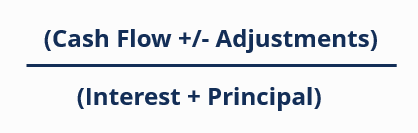
Debt service coverage ratio, commonly abbreviated DSCR, is one metric that can be used to compare cash available for debt service with required principal and interest payments. The exact calculation and adjustments can vary by lender and financial analysis context. :contentReference[oaicite:7]{index=7}
For a hypothetical example, suppose adjusted annual cash available for debt service were $150,000 and annual principal plus interest payments were $100,000. A simple coverage calculation would be 1.50x. This example is illustrative and does not represent a universal approval threshold.
Do not manipulate the model simply to produce a favorable ratio. Instead, identify unusual expenses, owner compensation, one-time costs, or other adjustments transparently when they are legitimately relevant to the lender’s methodology.
Repayment analysis should also consider downside conditions. If sales decline or costs increase, determine whether the business still has enough liquidity to meet scheduled obligations or whether management would need to reduce spending, delay expansion, add capital, or discuss alternatives with the lender.

Step 5: Review Collateral and Guarantees
If the financing is secured, the template should provide a place to identify proposed collateral, its estimated value, ownership, and any existing liens when the lender requires that information.
Potential collateral can include equipment, vehicles, real estate, inventory, receivables, investments, or other assets, depending on the financing structure and lender policy. A secured loan can reduce lender risk, but it also exposes pledged assets to potential loss if the borrower defaults.
Personal guarantees are a separate concept from collateral. A guarantee can create personal responsibility for repayment even when the business itself is the borrower. The document should therefore distinguish clearly between business assets pledged as security and personal obligations assumed by owners or guarantors.
Do not state that a particular asset is acceptable collateral until the lender confirms it. Valuation, ownership, existing liens, asset type, location, and lender policy can all affect whether an asset is accepted.
For significant secured financing, legal and professional advice can be valuable because the consequences of default can be substantial. The template should organize information; it should not attempt to replace individualized legal review.

Practical Examples of Template Structures
A simple small-business application package can be organized into five parts: executive summary, business information, loan request, financial analysis, and supporting documents. This structure works well when the lender already provides the formal application and the business needs an organized supplementary proposal.
A more detailed package can add a management profile, market analysis, historical financial statements, projected financial statements, debt schedule, collateral schedule, and detailed use-of-proceeds table.
A startup package may emphasize the business model, management experience, market opportunity, startup budget, assumptions, owner contribution, and projected cash flow because historical operating information is limited.
An established company seeking expansion financing may place greater emphasis on historical performance, current liquidity, existing debt, projected incremental revenue, capital expenditures, and repayment capacity.
The correct structure depends on the lending situation. The template should be flexible enough to remove sections that are irrelevant while retaining the core information needed to understand the financing request.

Example: Equipment Financing Request
Consider a hypothetical manufacturing company that wants to purchase a machine costing $150,000. The template would first identify the machine, its expected business purpose, and the total project cost.
The use-of-proceeds table might show the equipment purchase, installation, delivery, training, and borrower contribution. The financial model could then estimate the additional production capacity and related operating costs.
The repayment section would compare projected incremental cash generation with the proposed debt service. It should not assume that every additional unit produced will automatically become a sale; the sales assumption should be supported by the company’s market and operating plan.
The collateral section could identify the equipment being financed if the lender intends to secure the loan with the asset. Any additional collateral or guarantee would be documented separately according to lender requirements.
This example demonstrates why a business loan template document should connect every major section. The equipment purchase, revenue assumption, cash flow, financing amount, and repayment analysis should tell one coherent story.
Common Mistakes to Avoid
One of the most common mistakes is submitting a generic template without adapting it to the actual business. A template should speed up preparation, not replace analysis.
Another mistake is using inconsistent numbers. If the requested loan is $100,000 in one section and $110,000 in another, the discrepancy can undermine confidence in the entire package.
Overly optimistic projections are also risky. A forecast that assumes uninterrupted sales growth, perfect collections, and no unexpected expenses may look attractive but can be difficult to defend.
Some applicants also bury important information in long narrative sections. Tables are often better for loan amounts, debt balances, use of proceeds, projected revenue, and other structured information.
Finally, do not assume that a template found online is automatically suitable for a particular jurisdiction or lender. A document may be useful as an example while still being unsuitable as a final legal agreement or official application.

How to Improve Document Quality
Use plain language wherever possible. Financial documents contain technical terms, but unnecessary complexity can make the business harder to understand. Each section should answer a specific question and provide evidence when the claim is material.
Use consistent headings and numbering. If the use-of-proceeds schedule is labeled “Section 4” in the table of contents, it should have the same label in the document. Consistency reduces navigation friction.
Keep supporting schedules separate when they become too detailed for the main narrative. The primary document should summarize the key conclusions while the attachments provide the underlying calculations.
Use version control internally. A simple naming convention such as business name, loan purpose, document type, and date can prevent an outdated financial model from being accidentally attached to a current application.
Before sharing, remove internal comments, hidden spreadsheet tabs, tracked changes, and unnecessary personal information. The final package should contain only information relevant to the lender and appropriate for the intended recipient.
How to Handle PDF, Word, and Excel Versions
When people search for a business loan template document pdf, they are often looking for a fixed document that can be printed, reviewed, or submitted. PDF is useful for preserving the final layout, but it is usually better to create the underlying content in an editable format first.
Someone searching for a business loan template document free download may be looking for a ready-made starting point. Free templates can save time, but their usefulness depends on whether the sections match the intended financing request and whether the source is trustworthy.
A business loan template document free can be useful for drafting an internal proposal, but “free” does not mean “official.” Always distinguish between an independent template and a form supplied by a lender, government agency, or financial institution.
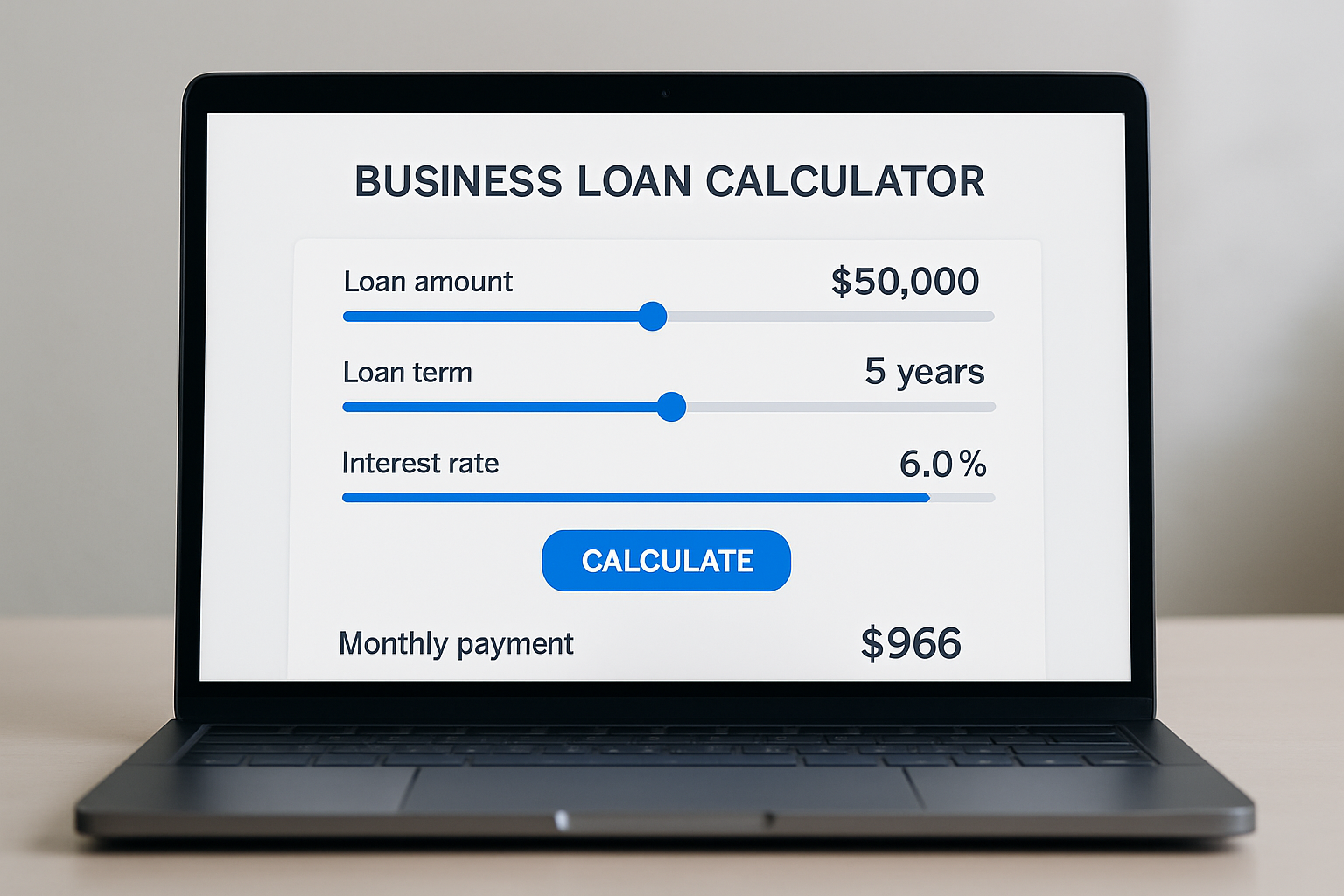
For calculations, a business loan template document excel format can be particularly useful because spreadsheets can calculate totals, projected cash balances, loan payments, and scenario changes. A spreadsheet should be checked carefully because formula errors can affect the conclusions presented in the final package.
When a business loan template document download is offered from a website, verify what the file actually contains before using it. A downloadable file may be an application, proposal, agreement, checklist, worksheet, or financial model, and these documents should not be treated as interchangeable.
When a Word-Based Template Makes Sense
A business loan template document word format is generally useful when the application requires substantial explanation. Word processors are well suited to executive summaries, company descriptions, management profiles, funding narratives, and explanations of projections.
A business loan template for word can also serve as the master narrative while financial tables are imported or summarized from a spreadsheet. This approach keeps prose and calculations separate while allowing the final package to remain readable.
Use tables for structured information instead of long strings of text. For example, ownership, requested financing, use of proceeds, historical revenue, and existing debt can all be easier to review when presented in rows and columns.
Use page breaks intentionally. A major section should not begin with a single line at the bottom of a page while the rest of its content starts on the next page.
When the Word document is finalized, export a PDF for the fixed submission version if the lender accepts PDF. Keep the editable source internally so future revisions do not require rebuilding the document from scratch.
When a Basic Template Is Enough
A basic loan document template can be appropriate for a straightforward internal lending arrangement or a simple proposal where the parties already understand the transaction. It can contain the parties, principal amount, interest terms, repayment schedule, security provisions if applicable, representations, default terms, governing law, and signatures.
However, a basic template should not be assumed to satisfy local legal requirements. Loan agreements can be affected by jurisdiction, business structure, collateral arrangements, consumer-versus-business distinctions, licensing rules, and other factors.
If the document is intended to become a binding contract, consider having an appropriately qualified legal professional review it. This is particularly important when the transaction involves significant collateral, guarantees, multiple owners, unusual repayment provisions, or cross-border parties.
The practical role of a basic template is to establish the structure of the agreement. The actual legal language should reflect the specific transaction and applicable law rather than being copied blindly from an unrelated example.
Keep application materials and contractual materials separate. A proposal explains why the financing makes business sense, while a contract establishes enforceable obligations between the parties.
Practical Solution: Build a Reusable Loan-Preparation Workflow
The most effective solution is to create a master financing workspace rather than a single static document. Maintain one editable business profile, one financial model, one supporting-document checklist, and separate transaction-specific loan requests.
Start by creating a business information sheet containing stable details such as legal name, business description, ownership structure, operating locations, and contact information. Update this sheet whenever an official business detail changes.
Next, maintain a financial model with historical figures, current-year performance, projected cash flow, existing debt, and scenario analysis. Keep formulas transparent and document the assumptions that materially affect the result.
Create a transaction worksheet for each financing request. Record the requested amount, purpose, use of proceeds, proposed term, lender requirements, collateral information, and submission status.
Finally, assemble a clean lender-facing package from the current versions of these materials. Review the package as if you were the lender: Is the amount clear? Is the purpose specific? Are the financials consistent? Is repayment capacity understandable? Are required documents present? Can every important claim be supported?

Use a final reconciliation checklist before submission. Compare the loan amount in the executive summary, application form, use-of-proceeds schedule, financial model, and any lender-specific form.
Then reconcile the business’s revenue and profitability figures across the narrative and financial statements. If the figures come from different periods, label those periods clearly rather than combining them without explanation.
Review the debt schedule against the balance sheet and lender application. Existing obligations should not disappear simply because the new loan request is being prepared.
Review projections for internal logic. If revenue increases sharply because of new equipment, make sure the model also reflects the equipment’s cost, installation, staffing, maintenance, and any other realistic operating consequences.
Finally, create the submission package from a controlled final version. Save an internal copy of what was submitted so that management can later compare the actual financing terms and business results against the original plan.

Frequently Asked Questions
What should a business loan template document include?
A useful template normally includes business identification, management information, loan amount, purpose of financing, use of proceeds, historical financial information, projections, existing debt, repayment analysis, collateral information when applicable, and a supporting-document checklist. The lender’s actual requirements should determine the final contents.
Can I use a free template for a business loan application?
Yes, a free template can be a useful organizational starting point. However, it should not be assumed to be an official lender form or a legally sufficient loan agreement. Compare it with the lender’s current requirements before submission.
Is Excel better than Word for a loan template?
Neither is universally better. Word is generally better for narrative proposals and application packages, while Excel is better for calculations, projections, debt schedules, and scenario analysis. Many professional packages use both and convert the final presentation to PDF.
Should the loan application include financial projections?
Often, yes, especially when the financing depends on future growth or when historical financial information is limited. The SBA specifically recommends financial projections as part of funding requests and encourages detailed first-year projections where appropriate. :contentReference[oaicite:8]{index=8}
Does a template guarantee loan approval?
No. A template improves organization and communication, but approval depends on the lender’s criteria, the borrower’s financial position, creditworthiness, business performance, requested financing, repayment capacity, collateral where applicable, and other factors.
What is the difference between a loan proposal and a loan agreement?
A proposal explains the business, funding need, use of proceeds, and repayment rationale. A loan agreement is a contractual document establishing the parties’ legal rights and obligations. They should not be treated as interchangeable.
How should I protect sensitive information in a loan document?
Provide only information that is necessary and requested. Use secure lender channels for sensitive identifiers and financial records, avoid sending unnecessary personal data in ordinary email, and remove internal notes or confidential information that the recipient does not need.
Reference Examples
The following reference examples illustrate the types of documents, worksheets, calculators, and visual formats that can inform the design of a business loan package. They are examples of presentation concepts rather than universal lender requirements.
business loan template document pdf
Source: Small Business Trends
business loan template document free download
Source: Crestmont Capital
business loan template document free
Source: Aggarwal CPA
business loan template document excel
Source: Mortgage Professional Australia
business loan template document download

Source: Bankrate
business loan template document word

Source: Bankrate
business loan document template

Source: Bankrate
business loan template for word

Source: Bankrate
basic loan document template

Source: Small Business Trends
application for a business loan template

Source: EIN Presswire
business loan website template

Source: Udyog Suvidha Kendra
business loan note template

Source: back-officer.de
Conclusion
A well-built business loan template document can turn a collection of financial records into a coherent financing package. The strongest approach is to use the template as a framework for accurate information, clear funding objectives, realistic projections, organized evidence, and consistent repayment analysis. Word, Excel, and PDF each have useful roles, while lender-specific requirements should always take priority over a generic template. A professional package does not promise approval, but it can make the business’s financing request easier to understand, verify, and evaluate.
