A chiropractic clinic telehealth consent form Template is a structured document that helps a chiropractic practice explain remote care, its limits, privacy considerations, patient responsibilities, and the circumstances in which an in-person visit may be needed. A strong form is more than a signature page. It should support an informed conversation between the chiropractor and patient while creating a clear record of what the patient understood and agreed to.
Telehealth rules are not identical across jurisdictions. Federal privacy principles, state licensing rules, professional standards, payer policies, and the clinical nature of chiropractic care can all affect how a form should be written. For that reason, a generic document should be treated as a starting structure rather than a universal legal instrument. The final wording should be reviewed against the rules that govern the chiropractor and the location of the patient during the remote encounter.
For chiropractic care, the distinction between remote consultation and hands-on treatment is especially important. A video or telephone visit can support history taking, education, care planning, exercise guidance, follow-up, and clinical discussion, but it may not provide the same physical examination capabilities as an in-person encounter. The consent document should therefore make the limits of remote assessment clear without suggesting that telehealth is unsuitable for every patient.

What a chiropractic telehealth consent form is designed to accomplish
The primary purpose of the form is to document that the patient received understandable information about the remote care process and agreed to participate. The document can identify the chiropractor or clinic, describe the type of remote service, explain foreseeable limitations, address privacy, and provide a clear place for the patient’s consent. Federal telehealth guidance notes that informed consent laws vary by state and that consent may be documented in different ways depending on the jurisdiction and service.
A useful form should also help the patient understand what telehealth does not provide. For chiropractic care, a remote encounter may not allow the same hands-on assessment, palpation, orthopedic testing, neurological examination, or other physical findings available in a clinic. The chiropractor should retain clinical judgment about whether remote care can meet the relevant standard of care and should have a clear process for moving the patient to in-person care when necessary.
The form should not promise a particular diagnosis, outcome, treatment response, or level of convenience. It should instead describe the service in neutral language. A patient can then decide whether remote care is suitable after receiving information about benefits, limitations, alternatives, privacy, technical interruptions, communication expectations, costs, and the possibility of an in-person referral.

Core sections to include in the template
A practical form normally begins with clinic identification and patient information. Useful fields can include the clinic name, chiropractor’s name and credentials, patient name, date of birth, contact information, patient location during the visit, and the date of consent. Recording the patient’s physical location is particularly useful for telehealth workflows because licensing and jurisdictional rules can depend on where the patient is located when care is provided.
The next section should explain the purpose and scope of the remote service. Rather than using vague wording such as “online care,” describe whether the visit may involve video consultation, telephone communication, education, review of symptoms, review of records, exercise instruction, care planning, or follow-up. The actual services should reflect what the chiropractic clinic intends to provide.
A separate section should describe benefits and limitations. Benefits may include easier access for suitable follow-up visits, reduced travel, continuity of communication, and the ability to discuss certain aspects of care remotely. Limitations can include technology failure, reduced ability to perform physical examination procedures, incomplete visual information, communication problems, and the possibility that an in-person assessment will be necessary.

The privacy section should explain how the clinic intends to protect health information during remote communication. A clinic should use its own privacy policies and security procedures rather than copying generic promises. Patients can also be reminded to choose a private setting when possible. HHS guidance states that healthcare providers should ordinarily conduct telehealth in private settings and use reasonable safeguards to limit incidental disclosure of protected health information.
It is also useful to explain what happens if another person is present. A patient may have a caregiver, interpreter, family member, or another support person nearby. The form or visit workflow can provide a place to identify additional participants and document their presence. HHS telehealth guidance emphasizes informing the patient when someone else is joining the encounter and obtaining consent when required.
The final portion should contain the consent statement, signature method, date, and any representative information that may be required for a patient who cannot provide consent independently. A signature can document the patient’s agreement, but the form should not be treated as a substitute for the actual consent discussion. Professional guidance emphasizes that consent is a communication process involving understandable information, questions, risks, benefits, alternatives, and continuing patient agreement.

Why chiropractic care needs more than generic telehealth wording
Chiropractic services can involve assessment and treatment activities that depend on physical findings. A remote consent form should therefore distinguish between services that can reasonably be performed through telehealth and services that require an in-person setting. A useful document does not need to list every clinical technique. Instead, it should state that the chiropractor will determine whether remote care is clinically suitable and may recommend an in-person visit when the information available remotely is insufficient.
The wording should also avoid turning consent into a waiver of professional responsibility. Consent means the patient understands the nature and limits of the service; it does not automatically permit a clinician to provide care below the required professional standard. Indiana law, for example, states that practitioners using telehealth remain subject to the same standards of appropriate practice that apply to comparable in-person care.
For a chiropractic clinic, a good form therefore works alongside clinical documentation. The consent document can establish that the patient agreed to remote care, while the clinical record should contain the history, observations, clinical reasoning, advice, limitations, referrals, follow-up instructions, and other details of the actual encounter. Keeping those functions separate usually produces a clearer record.

Privacy, security, and patient responsibilities
Privacy language should be specific enough to be useful but should not promise absolute security. Electronic communication has inherent risks, and the clinic should describe the safeguards it actually uses. A form can explain that the clinic seeks to protect patient information, uses designated communication systems, and expects patients to participate from a reasonably private location when possible.
The patient-responsibility section can cover several practical points. Patients may be asked to provide their current location, confirm their identity, use a private room, avoid public conversations about sensitive information, and provide accurate contact information. The clinic can also explain what to do if the connection fails, including a backup telephone number or another agreed communication method.
Emergency planning deserves its own consideration. A remote chiropractic encounter may not be suitable for an urgent condition that requires immediate physical assessment. The form can state that telehealth is not intended to replace emergency services and that the patient should seek urgent local assistance when symptoms require immediate attention. The exact language should reflect the clinic’s clinical protocols and professional advice.

Consent should explain benefits, risks, limits, and alternatives
A strong consent statement gives the patient enough information to make a meaningful decision. Benefits should be described realistically rather than as guaranteed outcomes. For example, remote follow-up may reduce travel for a patient whose clinical situation can be managed remotely, while education and exercise instruction may be easier to deliver through a video connection for some patients.
Risks should include technology-related concerns as well as clinical limitations. A poor connection may interrupt communication. Camera quality may limit visual assessment. The absence of hands-on examination may reduce the information available to the chiropractor. A patient may also need to travel to a clinic if the remote assessment does not provide enough information for safe clinical decision-making.
Alternatives should be visible to the patient. Depending on the clinical situation, alternatives may include an in-person chiropractic visit, referral to another healthcare professional, postponing non-urgent care, or seeking urgent services when clinically indicated. Informed consent is stronger when the patient understands that choosing telehealth is a decision rather than an obligation.

California considerations
California requires careful separation of general telehealth consent rules from chiropractic treatment consent rules. The Medical Board of California explains that telehealth consent must be addressed and documented, while California’s chiropractic regulation separately states that a licensed doctor of chiropractic must verbally and in writing inform a patient of material risks of proposed care and obtain written informed consent before initiating clinical care when that rule applies.
This means a California-oriented form should not simply copy a generic telehealth paragraph. The clinic should consider how the telehealth consent interacts with the informed consent process for the chiropractic care itself. The document should identify the remote service, explain its limitations, and preserve a clear record of the information provided about the proposed care.
Because state rules can change, a California clinic should verify the current requirements before placing a state-specific consent form into routine use. The safest workflow is to have the document reviewed by qualified counsel or a professional compliance adviser familiar with California chiropractic practice, rather than assuming that a general telehealth form satisfies every clinical consent requirement.

Florida considerations
Florida uses a broader informed-consent framework that expressly addresses chiropractic physicians. Florida law describes circumstances in which consent is measured against accepted standards of medical practice and states that a written consent meeting the statutory requirements can create a rebuttable presumption of valid consent.
For a Florida chiropractic clinic, the practical lesson is that the consent record should be tied to the actual clinical service rather than relying on a generic statement that the patient agrees to “telehealth.” The document should help show that the patient received understandable information about the proposed care, relevant alternatives, and material risks when those matters are part of the consent process.
A Florida-oriented template can therefore include a telehealth section and a separate clinical consent section when needed. Keeping those functions distinct can make the record easier to review and can reduce confusion between permission to communicate remotely and consent to a particular healthcare service.

Indiana considerations
Indiana is an important example of why a clinic should not assume that every state requires the same form structure. Indiana law states that a healthcare provider may not be required to obtain a separate additional written healthcare consent solely for telehealth. At the same time, Indiana’s telehealth standards require informed consent as part of establishing the provider-patient relationship and include other requirements such as identifying the patient’s location, disclosing practitioner credentials, obtaining relevant history, discussing risks and benefits, maintaining records, and giving follow-up instructions.
For an Indiana clinic, a dedicated consent document may still be useful even where a separate written telehealth consent is not mandated. It can create a consistent workflow and make the patient’s understanding easier to document. The clinic should, however, distinguish internal documentation preferences from a legal requirement to obtain a separate signed form.
The Indiana workflow should also reflect the broader telehealth standard. If the chiropractor believes that remote care would negatively affect patient health or result in a lower standard of care, Indiana law provides circumstances under which the practitioner may refuse to provide the service remotely.

Texas considerations
Texas has a particularly clear chiropractic telehealth rule. The Texas Administrative Code states that a chiropractor providing chiropractic telehealth services must obtain the patient’s written informed consent before providing those services. The same rule states that the chiropractor must use the same standard of care as in an in-person setting and protect the confidentiality of clinical information.
The Texas rule also includes operational details beyond the consent statement. It requires access to a copy of the chiropractor’s license and the Board’s mandatory public notice form each time chiropractic telehealth services are provided. A Texas form should therefore be part of a broader telehealth workflow rather than the only compliance measure used by the clinic.
A Texas-focused document should clearly identify the service as chiropractic telehealth, include a written consent mechanism, explain limitations, address confidentiality, and connect the form with the clinic’s recordkeeping process. The wording should be reviewed against the current Texas rules before use because regulatory provisions can be amended.

UK considerations for chiropractic clinics
In the United Kingdom, chiropractic professionals are regulated by the General Chiropractic Council, or GCC. The GCC’s current consent guidance states that valid consent must be obtained before assessment or care, and that consent involves providing relevant information in a way the patient can understand and giving the patient an opportunity to discuss the proposed care. The guidance also emphasizes that consent is an ongoing process and can be withdrawn.
The GCC also states that consent must be recorded and that a dedicated consent form can be used to document key elements of the discussion. This is especially useful when designing a remote-care workflow because the record should show not only that a patient signed something, but also that the chiropractor communicated the relevant information and confirmed the patient’s understanding.
A UK-focused form should therefore use clear language, explain the nature of the remote consultation, identify the chiropractor, describe relevant risks and alternatives, and leave room for continuing consent. Clinics should also consider UK data-protection duties and the GCC’s professional standards when designing their wider telehealth process. The consent form should support shared decision-making rather than function as a broad waiver.

Choosing a practical format for the form
Different clinics may need different document formats. A printable form is useful when a patient prefers paper records or when the clinic needs a physical copy. A digital form can be useful for remote intake, provided the clinic’s chosen system supports the required security, record retention, identity verification, and signature process.
A Word-style document can be useful when staff need to revise clinic wording, add branding, or maintain several state-specific versions. A PDF-oriented version can preserve the visual layout and reduce accidental editing after approval. A spreadsheet-style format is usually better suited to tracking administrative information than to serving as the primary patient consent record, although a clinic may use structured fields internally for workflow management.
The key issue is not the file extension. The important questions are whether the final record is accurate, readable, securely maintained, linked to the correct patient, dated, retrievable, and consistent with the clinic’s policies and legal obligations. The same consent language can be placed into different document formats, but the underlying clinical and compliance process should remain consistent.
How to build the form from the ground up
Start by defining the exact telehealth services the chiropractic clinic intends to provide. Do not begin with a generic consent paragraph and attempt to make it fit every service. Decide whether the workflow covers new-patient screening, established-patient follow-up, exercise education, care-plan discussion, symptom review, record review, or other remote services.
Next, identify the information that must be documented before the visit. This may include patient identity, contact information, current location, consent status, communication method, emergency contact information, relevant medical history, and any additional participants. Only collect information that the clinic genuinely needs and can manage securely.
Then draft the consent language in plain, patient-centered terms. Explain what telehealth means, what the chiropractor can and cannot assess remotely, what may happen if the connection fails, how privacy is handled, when an in-person visit may be recommended, and how the patient can withdraw consent. The final document should be reviewed by the clinic’s legal or compliance adviser before routine use.

Practical Solution
The most useful solution is to build one core chiropractic telehealth consent form and then create controlled state-specific versions where the law or professional rules require different language. Keep the central sections consistent: patient identity, clinic and chiropractor information, telehealth purpose, benefits, limitations, privacy, patient responsibilities, alternatives, in-person referral conditions, consent, signature, and date.
After the core document is created, create a compliance review checklist for each jurisdiction in which the clinic serves patients. Confirm licensing, patient-location rules, consent method, documentation duties, privacy requirements, record retention, payer considerations, and any chiropractic-specific telehealth provisions. Texas, California, Indiana, Florida, and the UK demonstrate why one universal form should not be assumed to meet every jurisdictional need.
Finally, integrate the form into the actual visit workflow. Before the first remote visit, provide the patient with enough time to read the consent information and ask questions. At check-in, confirm identity and patient location. At the start of the visit, confirm consent and identify anyone else participating. During care, document material changes, new risks, referrals, limitations of remote assessment, and any decision to move to in-person care. This creates a stronger clinical record than relying on a signature alone.
Review the document on a scheduled basis rather than treating it as permanent. Changes to state rules, professional guidance, privacy practices, technology, payment arrangements, or the clinic’s telehealth services can make an older form unsuitable. Version dates and controlled document storage can help staff identify the current form and prevent outdated wording from being used.

Common mistakes to avoid
One common mistake is treating the form as a liability waiver. Consent should communicate information and document a patient’s informed decision; it should not be written as though the patient is surrendering professional standards or legal rights. Another mistake is using broad statements such as “all risks are accepted” without explaining the actual nature and limitations of remote care.
A second mistake is failing to distinguish telehealth consent from consent for the clinical care itself. A patient may agree to a video consultation without agreeing to a particular treatment plan. The record should show what was discussed and what the patient actually agreed to at each relevant stage.
A third mistake is assuming that a signature alone proves informed consent. The GCC specifically emphasizes that consent involves communication, understanding, voluntariness, and continuing agreement. Similar principles are reflected in US telehealth guidance, which encourages providers to explain what patients can expect and document the consent process.
Another mistake is using a state-specific heading while leaving the actual wording unchanged. A form labeled for California, Florida, Indiana, or Texas is not necessarily state-specific in substance. The clinic should verify the legal basis for each special provision and record why the wording is included.
Clinics should also avoid collecting unnecessary sensitive information merely because a template contains a field for it. A well-designed form asks for information that supports the telehealth service and the clinic’s recordkeeping duties. Data minimization can make the form easier for patients to complete while reducing unnecessary handling of sensitive information.

Recordkeeping and version control
The consent form should become part of a controlled clinical record according to the clinic’s recordkeeping policies and governing requirements. The record should show which version was presented, when consent was obtained, and how the patient’s agreement was recorded. If verbal consent is permitted and used, the clinical note should clearly document the consent discussion and the relevant information provided.
Digital records should be linked to the correct patient and protected through the clinic’s established security controls. Paper records should be stored so that unauthorized people cannot access them. The clinic should also define who can modify, replace, or correct a consent record and how changes are documented.
Version control is particularly important for multi-state practices. A clinic serving patients in several jurisdictions may need separate versions or state-specific clauses. A controlled naming system can identify the jurisdiction, revision date, and status of each form without placing unnecessary legal language into the patient-facing document.

What the patient should see before signing
The form should make the most important information easy to find. Patients should be able to identify the chiropractor, understand what remote service is being offered, recognize the major limitations, know how privacy is handled, and understand when an in-person visit may be needed. The signature section should not be buried beneath dense legal language that obscures the actual decision.
Plain language is especially important for consent. Technical terms should be explained when they are necessary. If the clinic serves patients with different communication needs, the consent process should be adapted so the patient can understand the information and ask questions. The goal is not simply to obtain a completed document; it is to support an informed decision.
The clinic can also provide a copy of the completed consent record to the patient when required or when consistent with clinic policy. A patient-facing copy can make it easier for the patient to remember the remote-care process, privacy expectations, contact method, and circumstances that could require a change to in-person care.
How a sample workflow can look
Consider a hypothetical established patient who contacts a chiropractic clinic about a routine follow-up. Before the visit, the clinic sends the telehealth consent information and confirms the patient’s identity and location. The patient reviews the benefits and limitations of remote care, asks questions, and provides consent using the clinic’s approved process.
At the start of the video visit, the chiropractor confirms the patient’s location, verifies that the patient is able to communicate privately, and asks whether anyone else is present. The chiropractor reviews the relevant history and symptoms, explains what can be assessed remotely, and determines whether the visit can safely continue without hands-on examination.
During the visit, the chiropractor may provide education, discuss exercises, review progress, and decide whether an in-person examination is needed. The clinical record then documents the encounter, the limitations of the remote assessment, the advice provided, the patient’s continuing consent, and any follow-up plan. This example is hypothetical and should be adapted to the clinic’s actual services and legal requirements.

Using the template across different document formats
Clinics often search for a chiropractic clinic telehealth consent form template printable because some patients prefer paper records. A printable layout should use clear headings, sufficient writing space, readable font sizes, and a signature area that does not force the patient to squeeze information into a small field.
Clinics that search for a chiropractic clinic telehealth consent form template Word format are usually looking for editable text and clinic-specific customization. An editable document can be useful during drafting, but the clinic should control who can change approved language. Once wording has been reviewed, the production version should be distributed through the clinic’s normal document-control process.
Some practices also search for a chiropractic clinic telehealth consent form template Excel because structured fields can be useful for internal tracking. A spreadsheet is generally better suited to administrative tracking than to the full patient-facing consent document. If a spreadsheet is used for internal workflow, access controls and privacy safeguards should be considered carefully.

People may also search for a chiropractic clinic telehealth consent form template PDF because PDF is commonly used when a stable visual layout is desired. The important issue is not whether the file is PDF, Word, or another format. The document must preserve the approved wording, support the required consent method, and fit the clinic’s recordkeeping and security process.
Searches for a chiropractic clinic telehealth consent form template download or a chiropractic clinic telehealth consent form template printable often reflect a desire for a ready-made starting point. A ready-made structure can save drafting time, but the clinic should not assume that a generic document satisfies local rules. The final form should be customized to the actual services, jurisdiction, technology, privacy practices, and clinical workflow.

Final quality checks before the form enters clinical use
Before implementation, read the document from the patient’s perspective. Ask whether a person with no legal or clinical background could understand what telehealth means, what will happen during the visit, what information will be collected, what limitations exist, and what alternatives are available. Remove wording that sounds like a waiver when the real purpose is informed consent.
Next, compare the form with the clinic’s actual workflow. If staff collect patient location at check-in, the form should not contradict that process. If the clinic uses a particular communication method, the privacy language should accurately describe it. If the clinic routinely moves certain patients to in-person care, the consent document should explain that remote care may be changed when clinically necessary.
Finally, obtain professional review before relying on the form as a compliance document. A consent template can organize information and improve consistency, but it cannot determine whether a particular chiropractic service is legally permitted or clinically suitable through telehealth. Those decisions depend on the chiropractor’s professional judgment and the rules governing the encounter.

Reference Examples
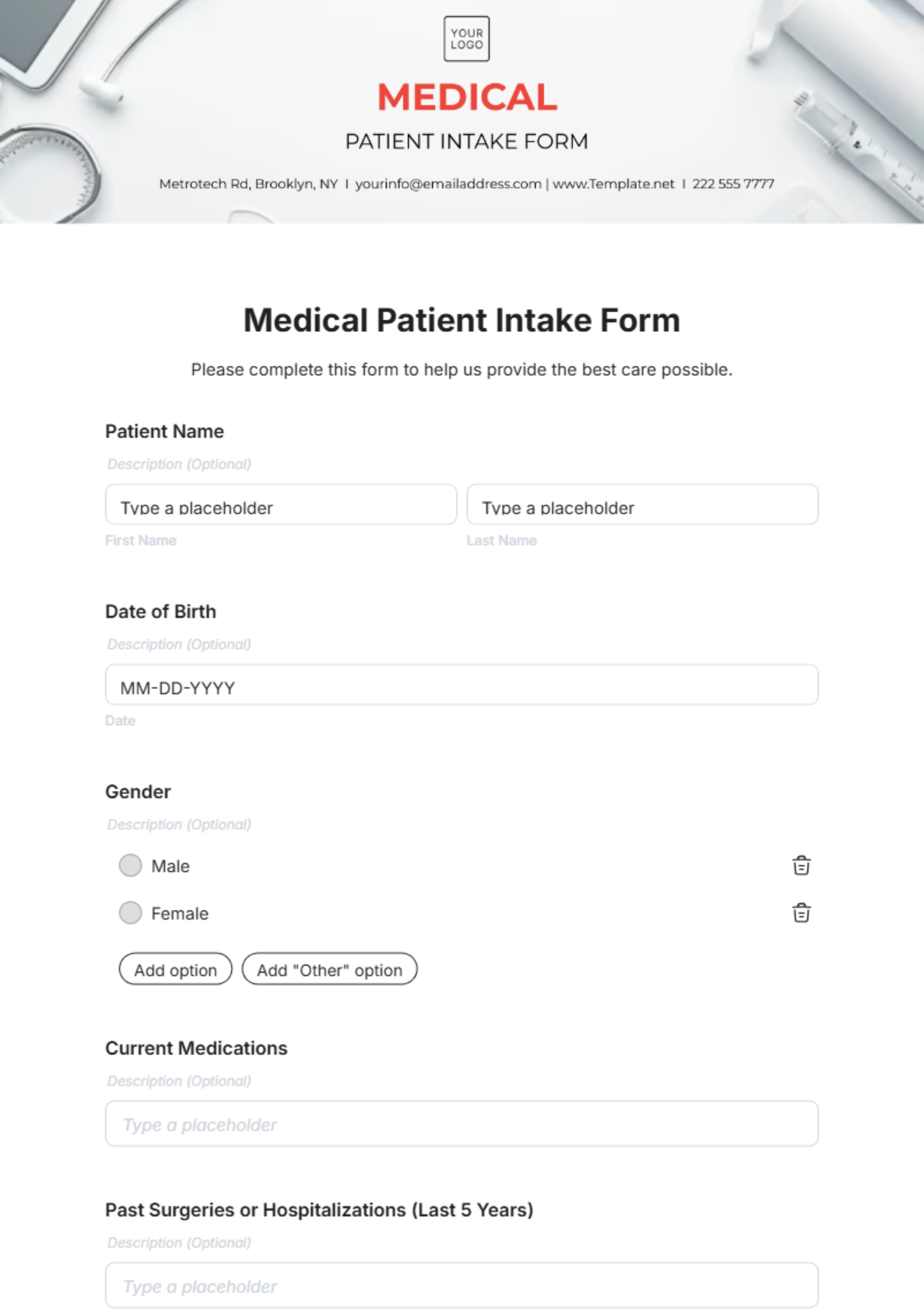
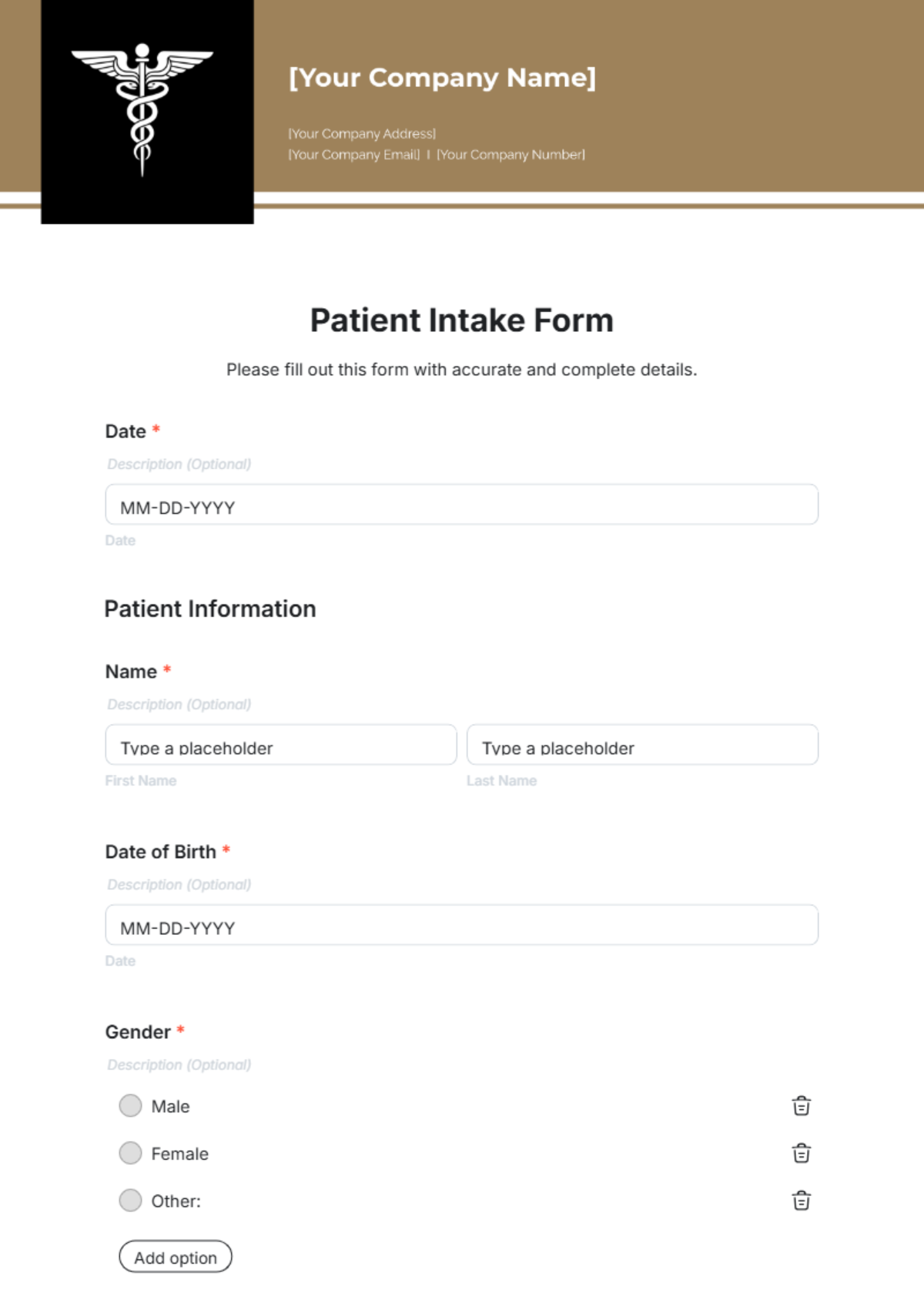
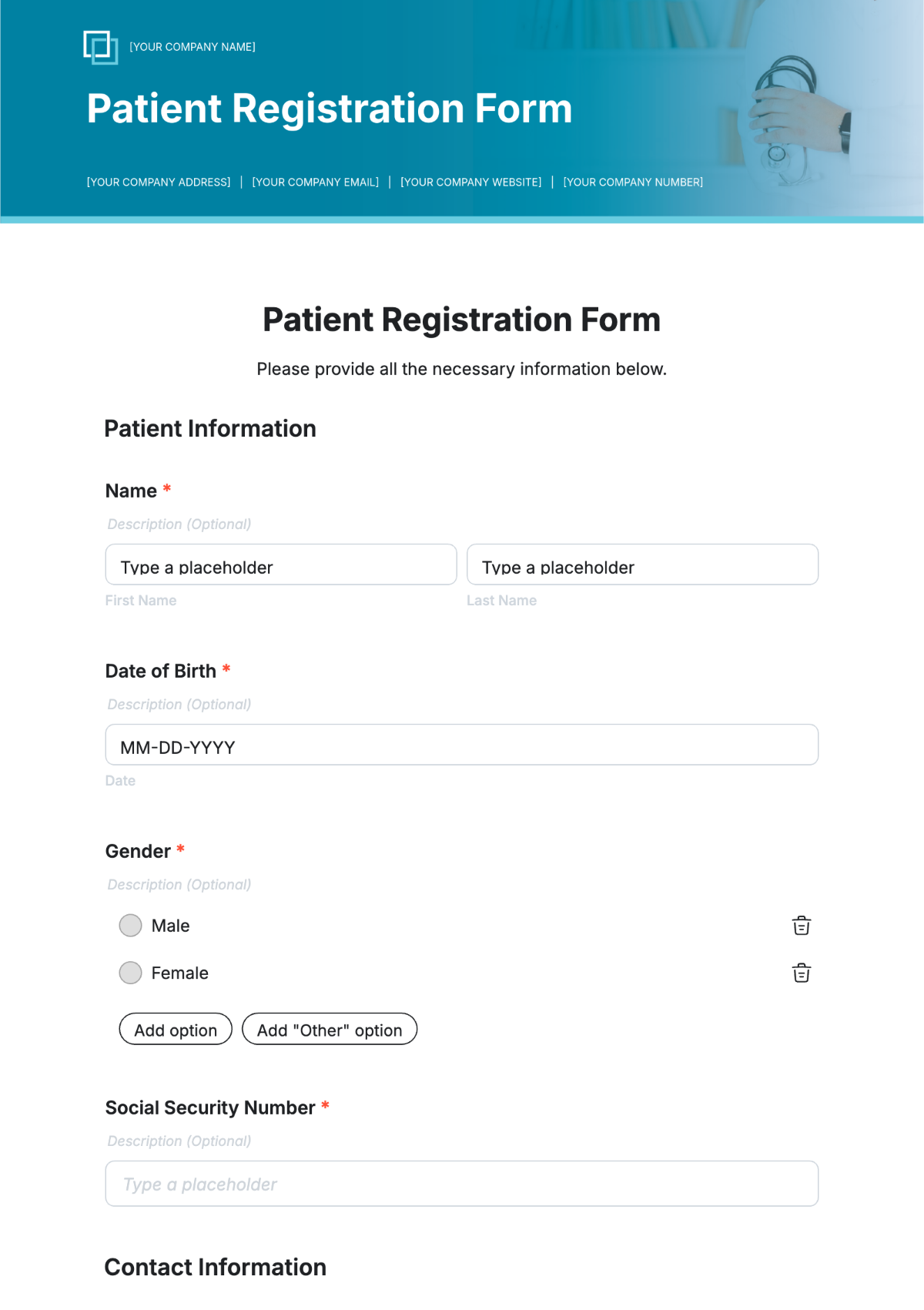
A chiropractic clinic telehealth consent form Template should be viewed as a patient-centered record of informed participation rather than a generic signature sheet. Useful visual references usually contain recognizable sections for patient identification, the nature of remote care, risks and limitations, privacy, consent statements, signatures, and dates. Comparing several form layouts can help a clinic decide which fields are essential, which sections should remain separate, and how much explanatory text patients can reasonably review before a remote visit. The strongest design is usually simple, readable, clinically specific, and aligned with the actual telehealth workflow.
The following visual references help illustrate how consent, patient information, medical history, authorization, and related documentation can be organized. They are useful for evaluating layout and document hierarchy, but they should not be treated as jurisdiction-specific legal forms merely because they contain familiar healthcare language. A chiropractic clinic should adapt the structure to its own services, patient population, privacy practices, professional duties, and governing rules. In particular, state-specific requirements can differ significantly, so visual similarity should never be treated as proof that a document meets a local legal standard.

Medical Release Form
Source: Template.net

Health Insurance Claim Form
Source: Template.net

Medical Certificate Form
Source: Template.net

Health Declaration Form
Source: Template.net

Medical Questionnaire
Source: Template.net
