An estate construction project compliance document Template is best understood as a structured record system for proving that a property development is being planned, built, inspected, changed, and closed out in a controlled manner. It is not merely a checklist. A useful template connects project identification, permits, drawings, contractual obligations, inspections, testing, corrective actions, change control, certificates, and final handover records so that each requirement can be traced to evidence.
For an estate development, documentation can become complicated because several buildings, lots, trades, consultants, authorities, and contractors may operate at the same time. A strong record structure therefore needs consistent identifiers, clear ownership, dates, status fields, document references, and sign-off points. The exact legal requirements depend on the jurisdiction, project type, building classification, contract, and authority having jurisdiction.
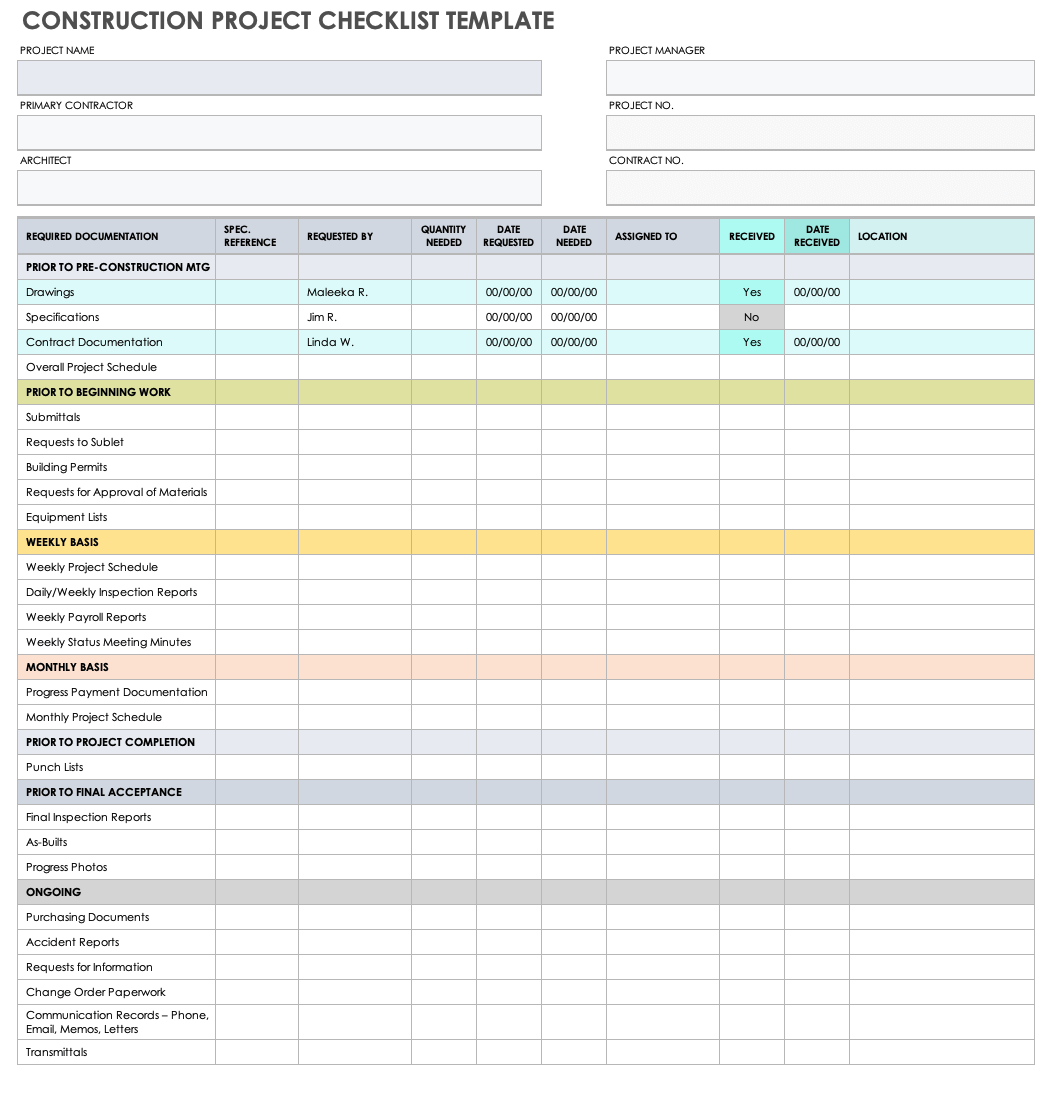
Current construction guidance illustrates why a single record structure should cover the whole project lifecycle. Construction checklists commonly connect permits, drawings, inspections, quality records, safety records, change control, and closeout evidence rather than treating them as unrelated files. For example, NYC construction checklists separate pre-permit, ongoing-work, and completion activities, while Illinois construction specifications address inspection and testing records during the work.
What an Estate Construction Compliance Document Should Accomplish
The central purpose of the document is traceability. A reviewer should be able to start with a requirement and quickly determine who owns it, what evidence demonstrates completion, when that evidence was produced, where the current record is stored, and whether any outstanding issue remains. This turns a collection of project files into a controlled compliance register.
The structure should also distinguish between requirements and evidence. A row might state that a particular permit is required, while the evidence field identifies the permit reference, issue date, expiry date, issuing authority, and current status. Keeping these concepts separate makes the record easier to audit and reduces the risk of treating an empty checklist box as proof that a requirement has actually been satisfied.
A good estate construction record should work for both individual buildings and the development as a whole. If a project contains several houses, apartment blocks, infrastructure areas, shared facilities, or phases, the same master structure can use project, phase, building, lot, discipline, and document identifiers. This creates a common language across design, construction, quality control, commercial management, and handover.
Core Sections to Include in the Template
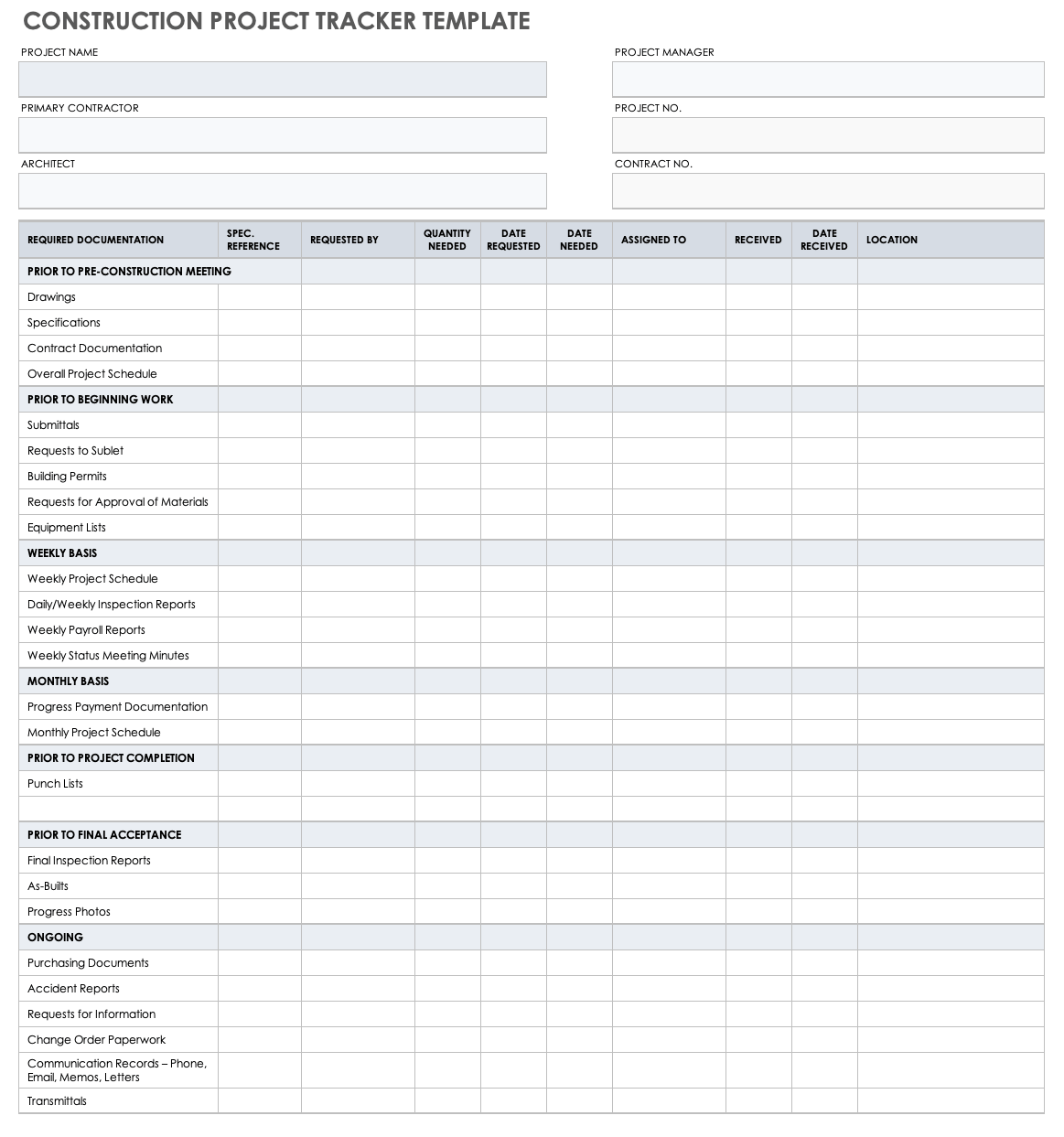
The first section should establish the project identity. Include the development name, project number, site location, phase, building or lot reference, client or owner, principal contractor, designer, project manager, document controller, and revision information. These fields should appear consistently throughout the record system so that documents from different disciplines cannot easily be confused.
The next section should define the compliance source. Instead of recording only a broad statement such as “building regulations,” identify the specific code, permit condition, contract clause, approved drawing, specification section, planning condition, inspection requirement, or authority instruction that creates the obligation. This gives every checklist item a reason for existing.
The evidence section should then identify what proves compliance. Depending on the project, evidence might include a permit record, signed inspection form, laboratory report, material certificate, manufacturer certification, survey, test result, commissioning record, revised drawing, site photograph, meeting record, or final certificate. The template should never imply that one generic document satisfies every regulatory requirement.

Project Identification and Responsibility
Responsibility is one of the most important fields because compliance work often fails when everyone assumes someone else is handling it. Assign each requirement to a named role or organization. The role may be project manager, architect, engineer, contractor, specialist subcontractor, quality manager, safety manager, document controller, surveyor, testing laboratory, or another defined party.
A responsibility field should be paired with a due date and status. Useful status values include not started, in progress, submitted, under review, accepted, rejected, superseded, closed, or not required. The exact terminology can be adapted to the project’s procedures, but it should remain consistent throughout the record.
Where multiple parties contribute evidence, identify the primary owner while allowing supporting contributors to be recorded separately. This avoids a common weakness in construction registers: assigning a requirement to a department rather than to a clearly accountable role.

Permits, Planning Conditions, and Regulatory Records
Permit management should be treated as a lifecycle rather than a single checkbox. Record the permit or authorization identifier, issuing body, scope, issue date, expiry date where relevant, associated drawings, conditions, inspection milestones, responsible party, and closure status. If a permit has conditions, those conditions should be tracked separately when they create distinct actions.
For estate development, planning and land-use matters may interact with building, infrastructure, drainage, environmental, fire, utility, access, and occupancy requirements. The template should therefore allow each requirement to have its own source and evidence rather than forcing every issue into one broad “permit” category.
Jurisdiction matters. A document structure used in one country or state should not be presented as the legally required format elsewhere. Official sources can prescribe different processes, terminology, inspection stages, and records. The safest design is a flexible framework that can be mapped to the requirements of the relevant authority before construction begins.

Design and Drawing Control
Compliance documentation should connect requirements to the drawings that define the physical work. Record drawing numbers, titles, disciplines, revisions, issue dates, status, originator, reviewer, and distribution information. This is particularly important when several versions of plans circulate during an estate development.
A requirement should not simply say “see drawings.” It should identify the relevant drawing or specification reference. If a design change affects a compliance requirement, the record should show which revision introduced the change and whether additional review or authority action was needed.
Design control is also important at handover. As-built information should reflect the condition that was actually constructed rather than the condition shown on an obsolete design issue. The record should therefore distinguish design documents, construction issues, approved changes, and final record information.

Submittals and Material Evidence
Material and equipment records can form a major part of estate construction compliance. A template should allow the team to track shop drawings, product data, samples, technical information, certificates, proposed substitutions, and other submittals. Each item should have a unique reference and a clear relationship to the specification or drawing requirement.
A submittal register is especially useful when materials must be reviewed before installation. The record can show the item description, specification section, responsible contractor, submission date, review status, comments, required resubmission, and final disposition. This creates a traceable history instead of relying on email correspondence.
Submittal control also supports change management. If a proposed material differs from the original requirement, the difference should be identified and routed through the project’s change process. Construction submittal guidance commonly emphasizes project identification, item descriptions, review status, approval records, and communication between contractors and design teams.


Inspection, Testing, and Quality Records
Inspection and testing records should be linked to the work stage at which verification is required. A useful register can identify the activity, inspection or test type, governing specification, responsible party, planned date, actual date, result, evidence reference, and corrective action if the result is unsatisfactory.
Some inspections occur before work is covered or concealed. Those hold points deserve particular attention because missing the inspection window can create substantial rework or uncertainty. The template should therefore identify critical hold points and define what must happen before the next construction activity proceeds.
Testing evidence should be retained with enough information to establish what was tested, where it was tested, which standard or specification applied, who performed the test, when it occurred, what the result was, and how any failed result was resolved. The Illinois Capital Development Board’s current standard construction documents, for example, address inspection and testing, timely notice, and access for required verification.


Site Safety and Environmental Compliance
Safety documentation should be integrated into the project record rather than maintained as an isolated collection. Depending on the project and jurisdiction, relevant records may include site inductions, task risk controls, inspection records, incident records, permits for particular activities, equipment checks, emergency arrangements, and corrective actions.
Environmental compliance may require a similarly structured record. Construction activities can generate obligations relating to erosion, sediment, drainage, waste, noise, dust, protected areas, water resources, or other site conditions. The template should record the requirement, evidence, inspection date, responsible party, and resolution of any deficiency.
Environmental inspection records can be particularly valuable when permit conditions require observations, photographs, measurements, or follow-up actions. A Florida water-management inspection form, for example, demonstrates how field observations can be tied to permit-related records and supporting notes. Such forms should be treated as examples of documentation structure, not as universal requirements.

Daily Records and Construction Evidence
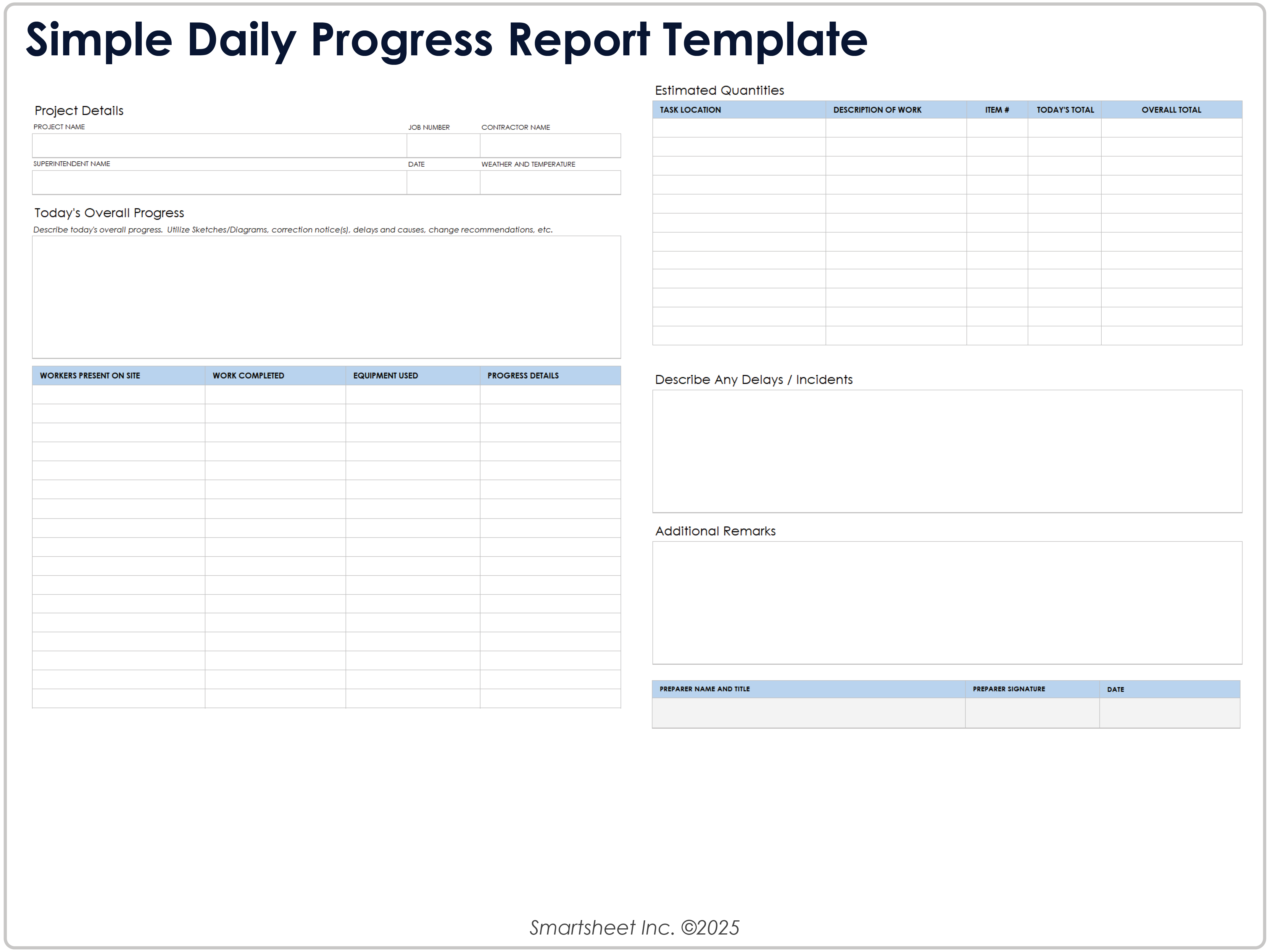
Daily records provide the chronological layer of a compliance system. They can document work completed, site conditions, weather, equipment, materials, inspections, delays, visitors, meetings, and significant events. They become particularly useful when a later question concerns what happened on a specific date.
A daily record should distinguish factual observations from opinions. Instead of writing that work was “acceptable,” a stronger entry identifies the activity inspected, the location, the observed condition, the reference requirement, and the resulting action. This makes the record more useful during internal review, dispute resolution, or closeout.
Daily records also help connect field events to formal documentation. A delayed inspection, unexpected site condition, material delivery issue, or design clarification can be referenced from the daily log to the corresponding notice, change record, inspection report, or revised drawing.


Change Control and Nonconformance
Construction projects rarely proceed without changes. The compliance record should therefore contain a controlled method for recording changes to scope, design, materials, sequencing, specifications, or site conditions. Each change should have an identifier, description, reason, originator, affected documents, review status, decision, and implementation date.
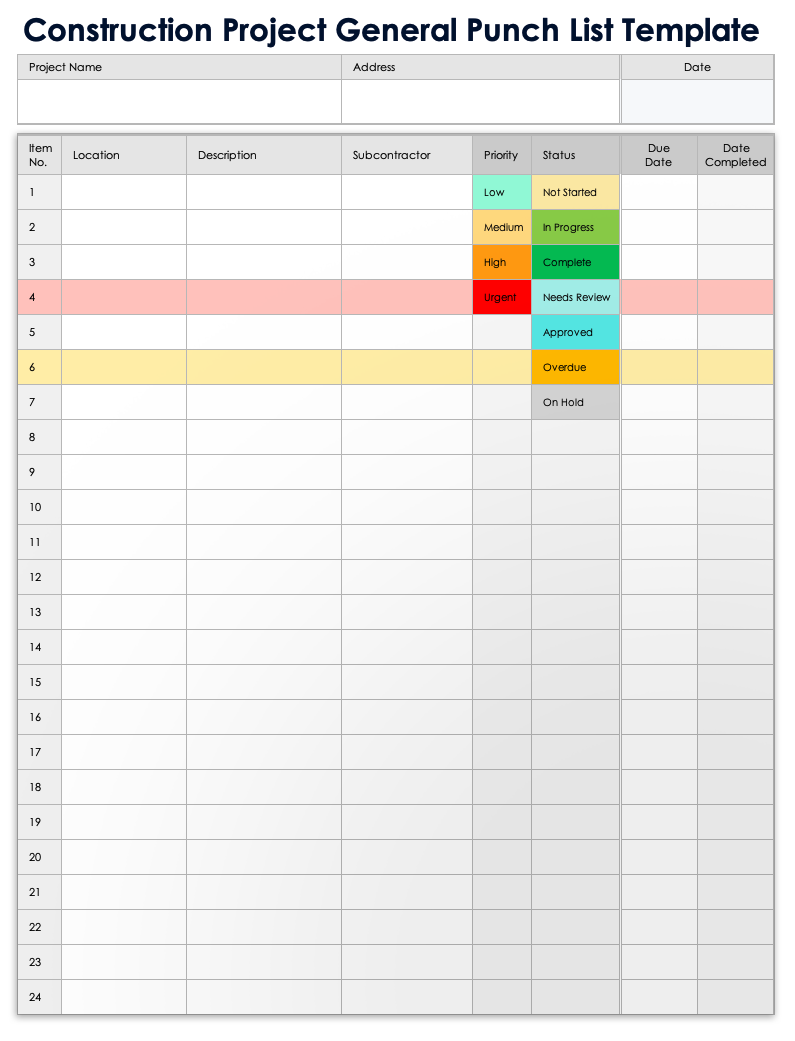
Nonconformance records should follow a similar structure. The record should describe the issue objectively, identify the affected location or work item, reference the requirement that was not met, assign responsibility for corrective action, establish a due date, and document the final resolution.
The important principle is closure. A record should not disappear merely because corrective work has been requested. The register should show the original issue, action taken, supporting evidence, verification, and final status. This creates a complete chain from discovery to resolution.

Managing Estate Phases and Multiple Buildings
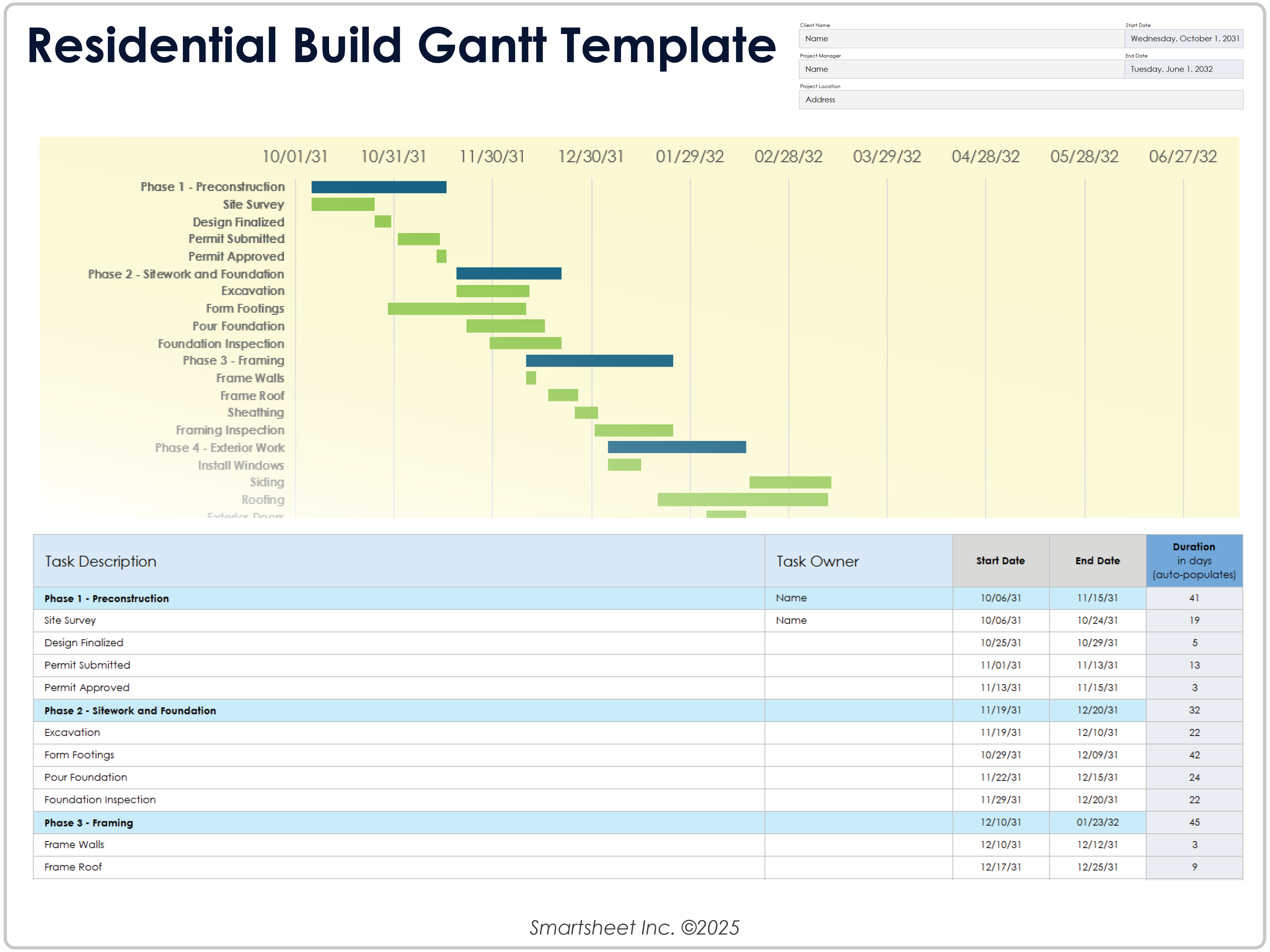
Large estate projects benefit from a hierarchy. At the top level, maintain the development record. Under it, create phase identifiers, building or block identifiers, lot identifiers, and discipline categories. This allows the same compliance structure to work for planning, infrastructure, individual dwellings, shared facilities, and final estate-wide handover.
Each record should have enough information to answer “where does this belong?” without opening several other files. For example, a concrete inspection might carry the development code, phase, building, floor, element, inspection reference, and drawing reference. A utility record might use development, phase, service type, section, and permit reference.
Phased development also requires careful control of dependencies. One building may reach completion while another remains under construction. A master register should therefore show phase-specific status rather than treating the whole estate as complete or incomplete.

Closeout and Handover Documentation
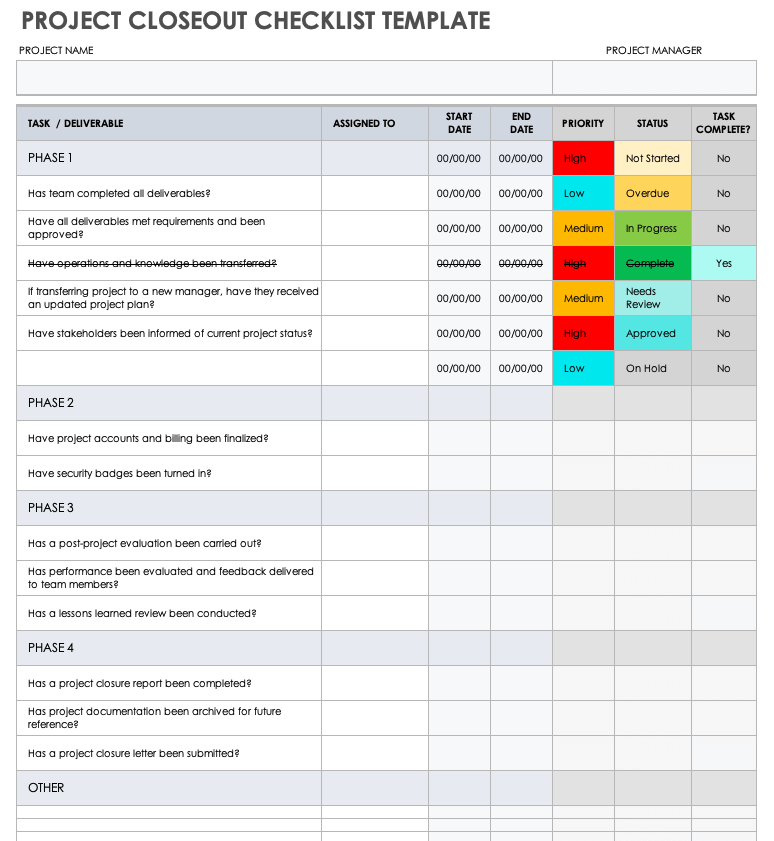
Closeout should be designed at project commencement rather than assembled only at the end. The compliance template should identify the records expected at completion, including final inspections, certificates, as-built information, commissioning records, warranties, manuals, outstanding items, acceptance records, and other contractual deliverables.
A useful closeout register can distinguish between “record received,” “reviewed,” “accepted,” and “closed.” This prevents a document from being treated as complete merely because somebody has uploaded a file. Where review is required, the reviewer, date, comments, and final disposition should be retained.
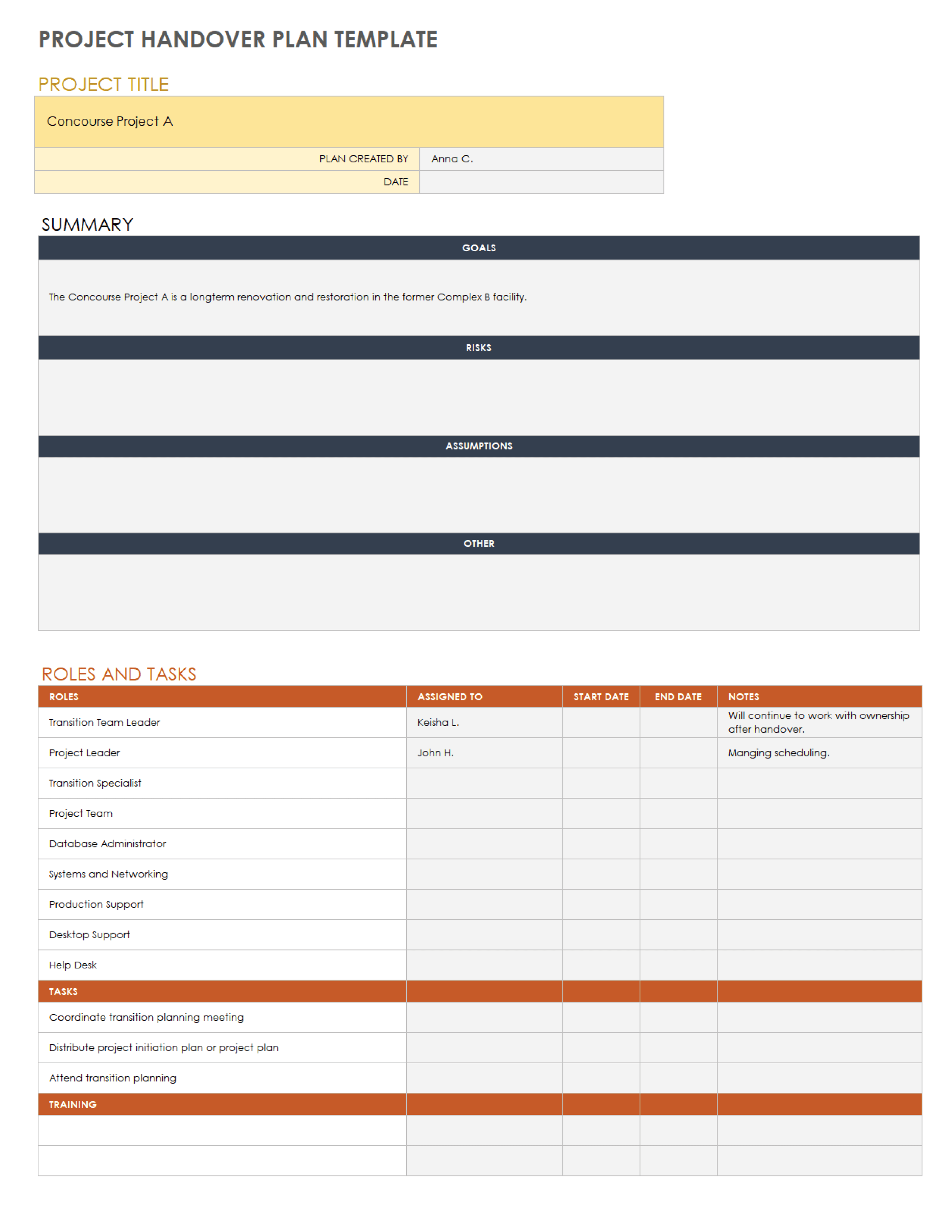
Handover records should also make clear what information belongs with the owner or future operator. A construction handover checklist commonly includes testing, warranties, certificates, final submittals, and record information. These categories are useful planning concepts, but the final list should always be adapted to the project’s contract and jurisdiction. :contentReference[oaicite:5]{index=5}

Choosing a Practical File and Record Structure
The template itself is only one part of document control. The supporting file structure should use predictable names and folders. A practical hierarchy might separate project administration, planning, design, permits, submittals, inspections, quality, safety, environment, changes, commercial records, daily reports, and closeout.
File names should carry enough metadata to identify the record without becoming excessively long. A useful naming pattern can include project code, phase, document type, unique number, revision, and date. The exact pattern should be established in the project’s document control procedure before many records are created.
Revision control is equally important. Superseded records should remain traceable where retention rules require them, but the current record should be unmistakable. Never allow multiple files with vague names such as “final,” “final2,” or “latest.” A controlled revision identifier is much safer.

Common Mistakes to Avoid
One common mistake is creating a very large checklist without defining evidence. A hundred unchecked or checked rows can look organized while providing little proof. Every meaningful compliance item should explain what evidence is expected and who verifies it.
Another mistake is allowing responsibility to remain vague. Phrases such as “project team” or “contractor” may be too broad for a critical obligation. A named role, organization, or responsible discipline should be identified, with escalation rules for overdue or rejected items.
A third mistake is treating the template as a legal substitute. A well-designed record system can improve traceability, but it cannot replace professional review, statutory permits, engineering certification, inspection by an authority, or legal advice where those are required. Requirements must be checked against the actual project circumstances.

Practical Solution
Start by creating a master compliance register with one row for each meaningful obligation. Give every row a unique identifier and include the requirement source, responsible party, project phase, building or lot, required evidence, planned date, actual date, status, reviewer, document reference, and remarks. Keep the fields simple enough that site and office teams can maintain them consistently.
Next, map the register to the project lifecycle. Pre-construction records should cover land and planning matters, design information, permits, contracts, insurance records, surveys, technical reports, and pre-start conditions. Construction records should then cover inspections, tests, submittals, daily evidence, safety and environmental records, changes, nonconformances, and corrective actions.
Finally, create a closeout gate. Before a building, phase, or estate section is considered complete, check that required inspections are closed, unresolved deficiencies are assigned, final evidence is indexed, record drawings are current, certificates are received, and handover records are reviewed. This makes compliance a continuing workflow rather than a last-minute paperwork exercise.
For practical use, keep one controlled master register and connect it to the underlying records rather than placing every piece of evidence inside a single oversized document. The register becomes the navigation layer, while drawings, certificates, inspection records, reports, and correspondence remain individual controlled records. This structure is easier to maintain and makes audits or handovers more manageable.
Before adopting the structure, have the project manager, design lead, quality lead, document controller, and relevant compliance specialists review the fields. Remove fields that nobody will maintain and add fields required by the actual contract, permits, authority processes, or internal procedures. A smaller register that is consistently maintained is generally more useful than a large register that quickly becomes obsolete.

How to Evaluate a Finished Template
A finished template should pass a simple traceability test. Select a requirement at random and see whether you can identify its source, responsible party, due date, evidence, review status, and final disposition without searching through unrelated records. If that chain is broken, the template needs refinement.
Test the structure against several scenarios: a new permit condition, a revised drawing, a failed inspection, a material substitution, a late test, a safety incident, a corrected defect, and final handover. Each scenario should have an obvious place in the record system. If staff must invent their own filing method for common events, the structure is not yet mature.
Finally, review whether the record remains understandable months later. Construction projects often outlive individual team members, so a strong compliance document should preserve context through identifiers, dates, revisions, evidence references, and clear status definitions. The goal is not merely to record activity but to preserve reliable project history.

Reference Examples
An estate construction project compliance document Template is most useful when its structure mirrors the real evidence produced by a development. The strongest examples show recurring patterns: project identifiers, document references, responsibilities, status fields, dates, review sections, corrective actions, and final sign-off. A visual reference can help a project team compare different layouts and decide which fields are essential for its own development. The examples below are therefore useful as structural references rather than as universal legal forms. Their content should be adapted to the project scope, contract, authority requirements, and professional review process.
The following visual references cover several parts of an estate construction record system, including project tracking, submittals, quality planning, daily site records, punch lists, handover, and closeout. Together they show why a compliance template is better treated as a connected record framework than as one isolated sheet. Some examples are broad construction-management forms rather than jurisdiction-specific compliance forms, so readers should use them to understand layout and information architecture while checking actual requirements with the relevant authority and project professionals.
Construction Project Checklist Template
Source: Smartsheet
Project Closeout Checklist Template
Source: Smartsheet
Construction Submittal Form Template
Source: Smartsheet

Construction Submittal Schedule Template
Source: Smartsheet
Project Quality Plan Template
Source: Smartsheet
Construction Daily Report Template
Source: Smartsheet
Construction Project General Punch List Template
Source: Smartsheet
Construction Project Handover Checklist Template
Source: Smartsheet

Project Client Acceptance Sign-Off Form
Source: Smartsheet
On-Site Inspection Construction Daily Log Template
Source: Smartsheet
