A strong Pjoint venture marketing campaign case Template should do more than record what two businesses did together. It should explain the commercial situation, identify the shared objective, document each partner’s contribution, show how the campaign was executed, and connect measurable outcomes to the original goals. This makes the document useful before launch as a planning framework and after launch as a structured case record.
Joint venture marketing works best when the participating businesses bring complementary assets, audiences, capabilities, distribution channels, or expertise. The campaign document therefore needs to make the exchange between partners visible. A reader should quickly understand why the partnership existed, what each side contributed, which activities were shared, how decisions were made, and how performance was evaluated.
Current marketing brief and partnership resources commonly organize campaign information around objectives, audiences, messaging, channels, budgets, timelines, responsibilities, performance measures, and reporting. A case-oriented template extends that structure by adding the original challenge, execution details, results, lessons, and recommendations. The result is a practical record that can support internal reviews, partner discussions, future planning, and stakeholder reporting.

What a joint venture marketing campaign case should accomplish
The central purpose of the case document is to create a clear connection between partnership strategy and campaign results. Instead of simply stating that two companies collaborated, the case should explain the business problem that created the opportunity. This could involve entering a new audience segment, improving distribution, combining complementary offers, increasing qualified leads, supporting a launch, or sharing promotional resources.
The next task is to document the campaign logic. A useful case explains why the selected partner was appropriate, what each organization brought to the relationship, and how those resources were combined. For example, one company might provide an established audience while another supplies specialized expertise or an attractive product bundle. The template should make those contributions explicit rather than leaving readers to infer them.
The final task is evaluation. A campaign case should compare intended outcomes with observed outcomes while distinguishing verified performance data from assumptions or illustrative examples. Metrics can include qualified leads, attributed revenue, conversion rate, reach, engagement, customer acquisition cost, partner referrals, content performance, or other measures that genuinely reflect the campaign objective.
Core sections to include in the template
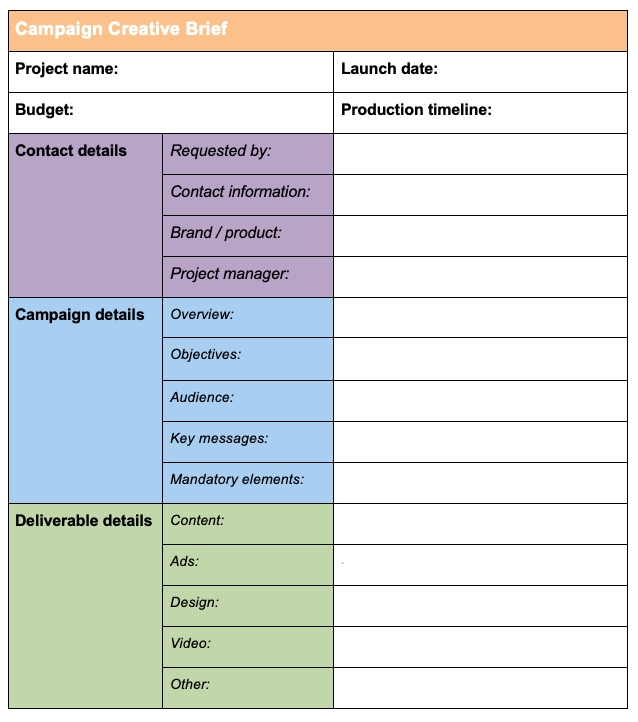
A reliable structure begins with a concise campaign overview. Record the campaign name, participating organizations, campaign period, market, offer, owner, and primary business objective. The overview should be understandable without requiring the reader to study every later section. It should also identify whether the document describes a proposed campaign, an active campaign, or a completed case.
The background section should then explain the commercial context. Describe the customer or market opportunity, the problem to be solved, relevant previous activity, and the reason collaboration was considered. Keep this section evidence-based. If a market observation has not been independently validated, label it as an assumption rather than presenting it as a confirmed fact.
A strong template also includes a partner contribution section. Separate contributions into categories such as audience access, media inventory, content production, sales support, expertise, technology, distribution, promotional funding, and customer incentives. This creates a practical record of the value exchanged and makes later performance analysis more meaningful.

Campaign objectives and success criteria
Objectives should describe the business result rather than merely listing activities. “Publish five co-branded articles” is an activity, while “generate qualified partner-sourced enquiries during the campaign period” describes an outcome. Both may belong in the template, but they should not be confused. The distinction helps the partners evaluate whether completing planned work actually created meaningful value.
Each major objective should have a corresponding measurement method. A practical format is to record the objective, KPI, baseline, target, measurement source, reporting owner, measurement period, and attribution limitation. This creates a consistent framework for evaluating results and prevents the partners from selecting favorable metrics only after the campaign ends.
Targets should also reflect what the partners can realistically measure. If revenue attribution is uncertain because customers interact with multiple channels, the case should state that limitation. It may be better to report several supporting indicators than to claim that every sale was caused by the joint campaign.

Partner selection and contribution mapping
Partner selection is one of the most important parts of a joint venture marketing campaign case. A good match is not simply a company with a large audience. The partners should have complementary strengths and a credible reason to collaborate. Audience overlap, offer compatibility, brand fit, geographic coverage, customer needs, operational capability, and willingness to share responsibilities can all influence the quality of the relationship.
The template should document the partner-selection rationale in practical terms. Explain what capability was missing internally and how the partner addressed that gap. For instance, a specialist business might contribute technical credibility while a distributor contributes market access. A complementary service provider might contribute an adjacent customer segment. These are examples rather than universal formulas, so the case should reflect the actual relationship.
Contribution mapping can be represented as a simple responsibility record. Each activity should have an owner, supporting partner, expected deliverable, approval requirement, deadline, and dependency. This reduces ambiguity and creates a useful reference when campaign execution becomes more complex.
Campaign strategy, audience, and positioning
The audience section should identify the people or organizations the joint campaign is designed to reach. Useful fields can include customer segment, problem or need, buying context, geographic market, decision-maker role, existing relationship with either partner, and desired action. The more clearly the audience is defined, the easier it becomes to evaluate whether the partnership actually improves access to the intended market.
Positioning should explain why the combined offer deserves attention. A joint campaign should normally have a coherent central message rather than two unrelated promotional messages placed side by side. The template can record the primary proposition, supporting evidence, partner-specific proof points, required claims, and calls to action.
Channel planning should then connect the audience to specific distribution methods. Possible channels include email, search, social media, partner newsletters, webinars, events, content, public relations, landing pages, direct outreach, or physical promotions. The correct mix depends on the audience and campaign objective, so the template should document the reason each channel has a role.

Budget, resources, and commercial structure
A joint campaign should make resource commitments visible before execution begins. The budget section can separate cash expenditure from non-cash contributions. Examples of non-cash contributions include partner email inventory, content production, specialist expertise, event space, sales support, media placement, distribution access, or existing creative assets.
Cost allocation should be recorded in a way that both parties understand. A simple campaign budget can group costs by media, content, events, production, technology, incentives, research, and measurement. If partners use different accounting treatments, the case should preserve the agreed definitions rather than creating a misleading comparison.
Commercial terms require particular care. A marketing case is not a substitute for a legal agreement, and the exact obligations between businesses should be established in appropriate contractual documents. The case can summarize the operational arrangement, but it should not imply that a general template creates legal obligations in every jurisdiction.

Timeline and campaign workflow
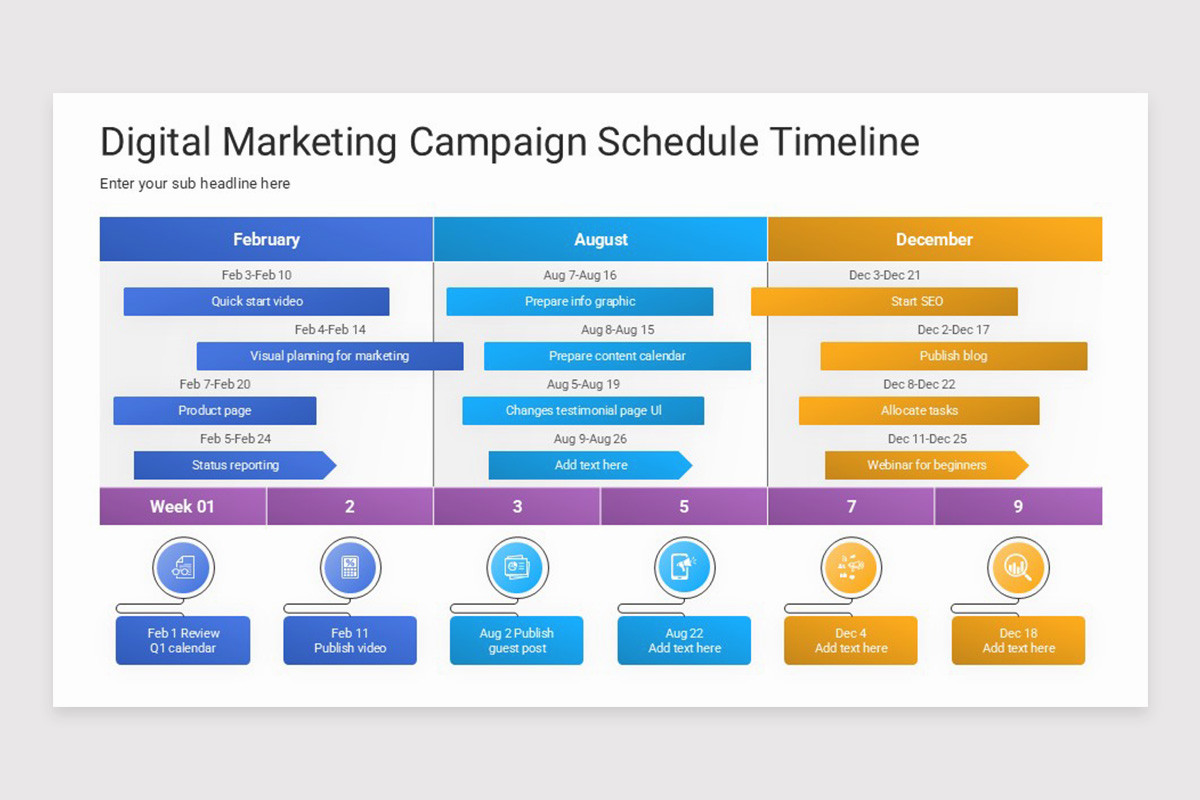
A timeline should show more than the launch date. A useful joint campaign schedule includes planning, partner approvals, audience research, offer development, creative production, tracking setup, quality assurance, launch, optimization, and reporting. Dependencies are particularly important because a delay from one partner can affect the entire campaign.
The workflow should also define decision points. Identify who approves messaging, who approves creative, who validates claims, who controls the budget, and who has authority to pause or change an activity. Clear governance is especially useful when two organizations have different internal approval processes.
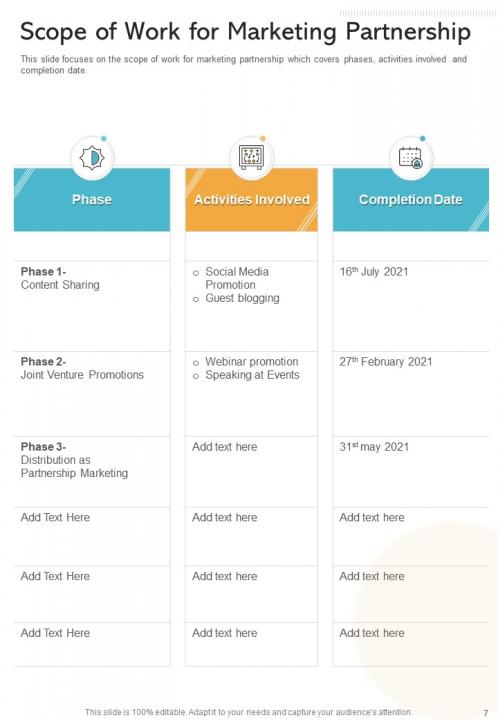
For longer campaigns, divide the schedule into phases. A planning phase can establish the partnership and objectives, an activation phase can launch the campaign, and a measurement phase can consolidate results. A case template can preserve the planned timeline beside the actual timeline so that delays and changes become learning points rather than disappearing from the historical record.
Measurement framework and attribution
Measurement should begin before campaign launch. Define the baseline, target, data source, reporting interval, and attribution approach in advance. If one partner controls the landing page while the other controls email distribution, both parties should understand how referral traffic and conversions will be identified.
Attribution is often more complicated than a single campaign code. Customers may discover an offer through a partner newsletter, return through organic search, interact with a social post, and convert later through direct traffic. The case should therefore distinguish between tracked partner activity and total customer outcomes unless the data supports a stronger causal interpretation.
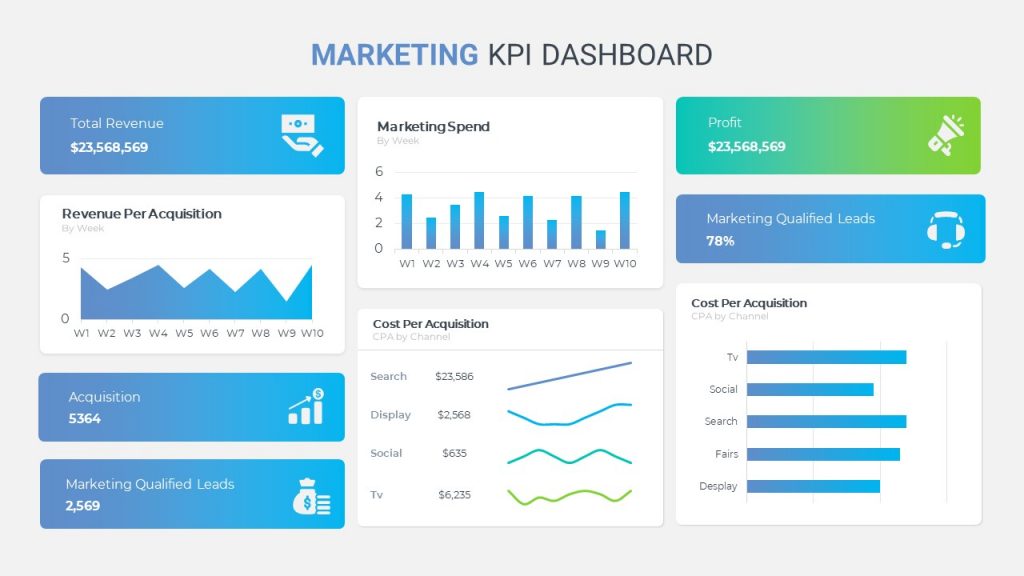
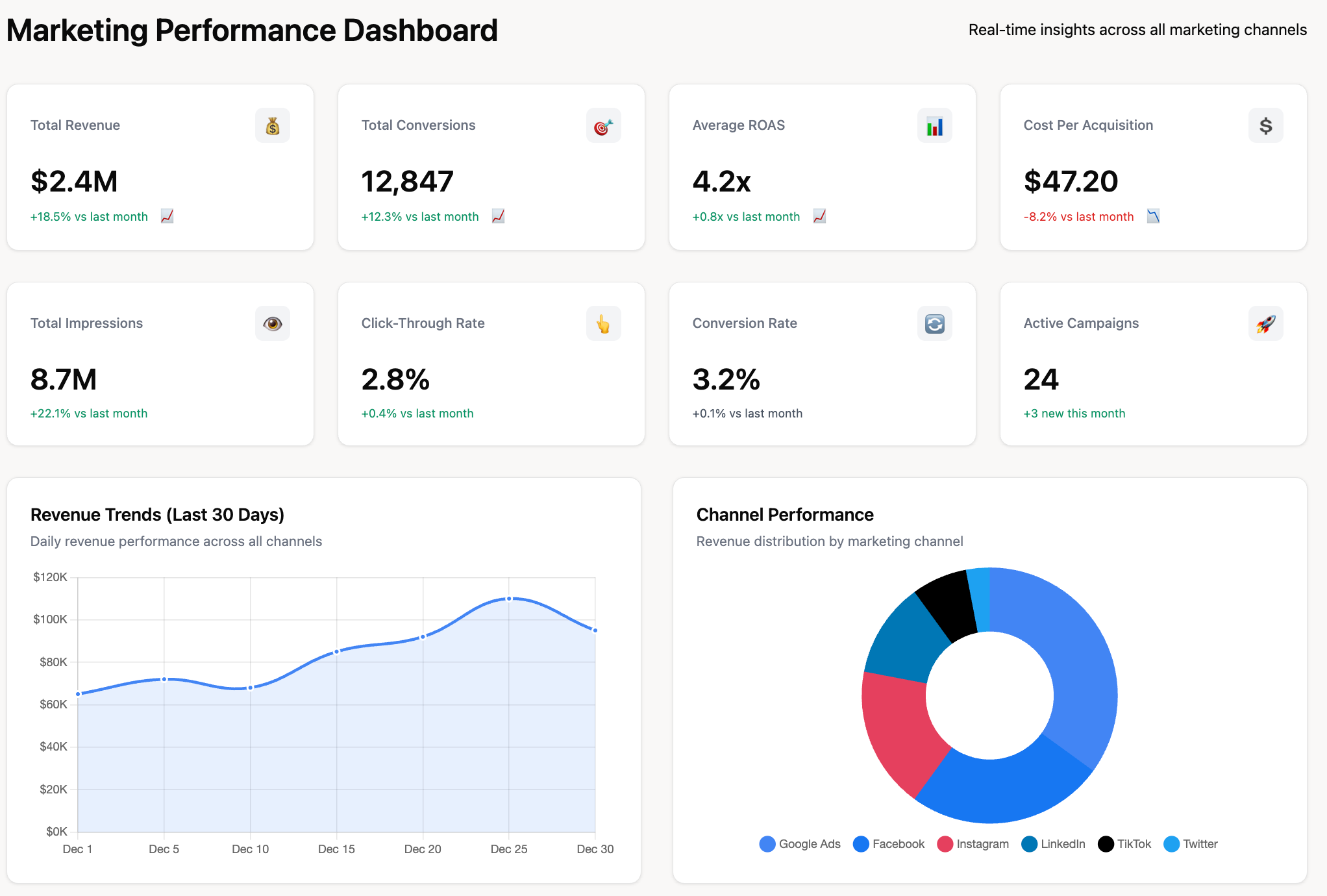
Performance reporting should combine leading and lagging indicators. Leading indicators can include reach, traffic, engagement, content consumption, or qualified enquiries. Lagging indicators can include opportunities, purchases, attributed revenue, retention, or profitability. The correct combination depends on the campaign’s commercial purpose.
How to document campaign execution
The execution section should record what actually happened rather than simply repeating the original plan. Note significant changes in audience targeting, creative direction, offer structure, timing, channel allocation, partner responsibilities, or budget. This makes the final case more useful because future teams can see how the strategy evolved.
For each major activity, capture the intended purpose, execution date, responsible party, output, and performance signal. This can be particularly valuable when the campaign uses several partner channels. It allows the reader to connect a particular activity to the result without treating the campaign as one undifferentiated block.
Include important operational lessons as they emerge. If an approval process slowed production, record it. If a partner channel produced higher-quality leads than expected, record it. If a planned activity was abandoned because the audience response was weak, document that decision and the evidence supporting it.
Reporting results in a case study format
A strong results section begins with a concise performance summary. State which objectives were achieved, partially achieved, or not achieved. Then provide the supporting metrics and explain the measurement period. This creates a balanced record instead of turning the case into a promotional narrative.
Results should be compared with the original baseline or target whenever the data allows. For example, if the campaign objective was partner-sourced lead generation, report the number and quality of leads against the predefined target. If the objective was awareness, explain which awareness-related indicators were measured and over what period.
The case should also distinguish campaign outcomes from broader business changes. A simultaneous product launch, seasonal shift, pricing change, or unrelated advertising activity can affect results. Where multiple influences exist, the document should say so instead of attributing every change to the joint venture.

Using Word, Excel, Google Docs, PDF, and presentation formats
Different formats serve different stages of the campaign. A Word-style document is useful when the case needs narrative detail, approvals, and structured commentary. A spreadsheet is useful when the main challenge is maintaining campaign budgets, schedules, KPIs, attribution fields, or partner contribution records. A Google Docs-style workflow can be useful when several stakeholders need to review narrative content together.
A PDF-oriented version is often appropriate when the case has reached a stable reporting stage and needs consistent pagination or archival presentation. A presentation format is better suited to executive reviews, partner meetings, campaign retrospectives, or concise performance discussions. The underlying information should remain consistent even when the presentation format changes.
For users searching specifically for a joint venture marketing campaign case template pdf, the important consideration is not simply the file extension. The document should preserve the campaign logic, evidence, responsibilities, and results. Likewise, a joint venture marketing campaign case template word should be editable enough to accommodate narrative analysis rather than functioning only as a visual cover sheet.

Spreadsheet structure for campaign tracking
A spreadsheet-based case structure can organize campaign data into separate logical areas. One section can hold campaign information, another can record partner contributions, another can track activities and deadlines, and another can hold performance data. This separation makes it easier to maintain the working data while producing a polished case narrative later.
A joint venture marketing campaign case template excel structure can include fields such as campaign phase, activity, owner, partner, planned date, actual date, channel, spend, impressions, clicks, leads, conversions, revenue, and notes. These are examples of useful fields rather than mandatory requirements. The correct structure depends on the campaign’s objective and available measurement systems.
Formula-driven fields should be transparent. If a return metric is calculated, document the formula and the inputs. If partner contribution is valued using an internal estimate, label the figure as an estimate. Clear definitions prevent disagreements when the partners review the final case.
Collaborative review and document control
Collaboration creates another requirement: version control. A joint case should identify the reporting period, document version, campaign owner, data cutoff date, and approval status. This prevents one partner from reviewing an outdated version while the other is working from revised numbers.
A joint venture marketing campaign case template google docs workflow can be particularly useful for narrative review because comments and revisions can be handled before the document becomes a final report. The same principle applies to other collaborative formats: keep a clear source of truth for the current campaign story and approved metrics.
Document control should also cover sensitive information. Partners should agree on which customer, financial, performance, and commercial details can be shared outside the participating organizations. The case can use aggregated or anonymized information where detailed disclosure is unnecessary.

Presentation structure for stakeholders
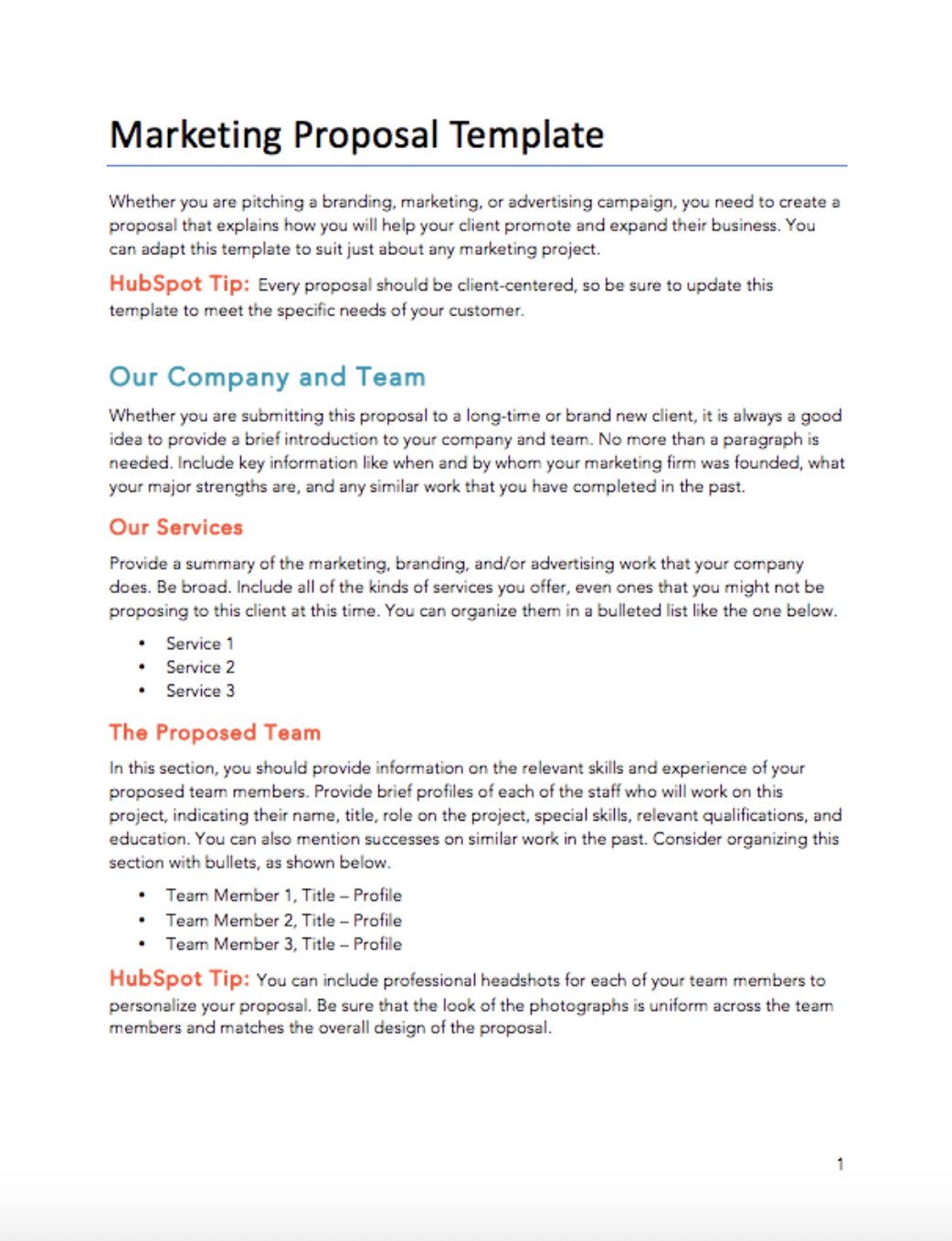
A presentation version should tell the same story in a more concise format. A practical sequence is campaign context, partnership rationale, objectives, audience, strategy, activation, timeline, performance, lessons, and recommendations. Each slide should answer one clear question rather than attempting to reproduce the entire working document.
A joint venture marketing campaign case template ppt should emphasize visual evidence. Charts, timelines, campaign architecture, channel diagrams, and concise performance summaries can make complex partnership activity easier to understand. Avoid filling slides with paragraphs that belong in the detailed case document.
The presentation should also make partner contributions visible. If one organization supplied distribution and another supplied content or product expertise, show that relationship clearly. This helps stakeholders understand why the collaboration mattered and which elements should be retained in a future campaign.
Regional considerations for UK and Australian campaigns
A partnership campaign may require regional adaptation even when the core strategy remains consistent. A joint venture marketing campaign case template uk can record the relevant market, audience characteristics, local commercial assumptions, campaign dates, partner responsibilities, and measurement conditions without assuming that one market’s approach automatically applies elsewhere.
For an Australian campaign, a joint venture marketing campaign case template australia can use the same core structure while clearly identifying the Australian audience, territory, distribution arrangements, campaign timing, and locally relevant performance data. The template itself should not be presented as an official Australian or UK requirement unless a specific requirement has been independently verified.
Regional reporting should also distinguish between strategic adaptation and simple translation. Differences in audience behavior, distribution, media availability, pricing, regulations, and partner networks can change how a campaign performs. Recording those differences makes cross-market comparison more useful.

Practical examples of case-study scenarios
Consider a hypothetical software company partnering with a professional training provider. The software company wants access to a relevant business audience, while the training provider wants to offer its audience a useful technology resource. A joint campaign could combine a webinar, educational content, email promotion, and a shared landing page. The case would record the rationale, responsibilities, audience, campaign activities, and measurable outcomes.
Another hypothetical example could involve a consumer brand and a complementary service provider creating a bundled promotion. One partner contributes the product while the other contributes distribution and customer communication. The case should not assume that the bundle will succeed. Instead, it should establish the test conditions, target audience, performance measures, and decision rules before evaluating the outcome.
A third example could involve two organizations entering a new geographic market together. One partner understands the local customer base while the other provides specialized products or services. The case would emphasize market-entry assumptions, partner capabilities, channel strategy, localization, customer response, and lessons for subsequent campaigns.

Common mistakes to avoid
One common mistake is treating the case as a promotional story rather than an evidence-based record. Claims such as “the partnership transformed the market” are weak unless the document explains what changed and how it was measured. Specific objectives and clearly defined metrics create a much stronger case.
Another mistake is documenting activities without documenting ownership. A list of emails, webinars, articles, advertisements, and events does not tell the reader which partner was responsible for each action. Adding owners, deadlines, approvals, and dependencies turns the activity list into an operational record.
A third mistake is ignoring negative or unexpected results. A useful case can show that an activity underperformed, explain what the partners learned, and identify what they changed. Honest analysis often provides more value for future planning than a report that only highlights favorable numbers.

Practical Solution
The most practical way to build a joint venture marketing campaign case is to create the document before the campaign starts, then update it throughout execution. Begin with the business problem, partnership rationale, objectives, audience, offer, channels, budget boundaries, responsibilities, and measurement framework. Do not wait until the end to decide what success means. Establish the definitions and data sources while both partners still have time to align.
Next, create a simple operating workflow. Give every major activity an owner, deadline, approval point, and measurement method. Maintain a shared record of campaign changes and preserve the original plan so that the final case can distinguish planned activity from actual execution. For performance reporting, combine objective results with explanatory notes so stakeholders can understand not only what happened but why it happened.
Finally, turn the completed case into a reusable decision document. Identify the strongest partnership assets, the most effective channels, operational problems, measurement limitations, and recommendations for future campaigns. If the campaign should continue, specify what should be repeated and what should change. If it should stop, document the evidence behind that decision. This makes the template a management tool rather than merely a formatted report.

Building a reusable case template
A reusable structure should be modular. Keep the campaign overview, objectives, partner contributions, strategy, execution, measurement, results, lessons, and recommendations as distinct sections. This makes it possible to shorten the case for executive audiences or expand it for detailed internal analysis without changing the underlying logic.
A joint venture marketing campaign case template doc can therefore function as the narrative master record, while spreadsheet data supports calculations and a presentation communicates the most important findings. The formats should reinforce one another rather than contain contradictory numbers.
For teams researching examples, the phrase joint venture marketing campaign case template examples workfront may lead to searches involving campaign planning, project management, collaboration, reporting, and marketing operations. The useful lesson is to focus on the structure of the workflow rather than copying another organization’s terminology or assuming that its process fits every partnership.

Final quality checks before sharing the case
Before the case is circulated, verify every number against its underlying data source. Confirm campaign dates, partner names, contribution descriptions, budget figures, KPI definitions, and attribution assumptions. Check that hypothetical examples are clearly labeled as examples and that performance claims are supported by the available evidence.
Review the narrative from the perspective of someone who was not involved in the campaign. Could that reader understand why the partnership existed, what each organization contributed, what happened during execution, and how the result was measured? If not, the case needs more context rather than more promotional language.
Finally, make the document useful for the next decision. A strong case should answer whether the partnership should continue, what should be changed, which activities deserve further testing, and what evidence should be collected next time. That is the point at which a template becomes a genuine strategic asset.

Reference Examples
The visual references below show the kinds of documents and layouts that can help shape a Pjoint venture marketing campaign case Template. The most useful references generally combine campaign context with structured fields for objectives, partner responsibilities, timelines, budgets, KPIs, and results. A good visual model should make the relationship between planning and measurement easy to understand. It should also leave enough space for explanations, assumptions, and lessons so that the final case is not reduced to a collection of numbers or promotional statements.
These references can be evaluated for structure rather than copied as complete documents. Look for how each example organizes information, how clearly responsibilities are separated, how performance is visualized, and whether the layout would help two collaborating organizations review the same campaign consistently. The strongest inspiration for a Pjoint venture marketing campaign case Template is a layout that makes the campaign story easy to follow from business challenge through partnership strategy, execution, measurement, results, and next actions.

Partnership Marketing Plan Template
Source: Bit.ai

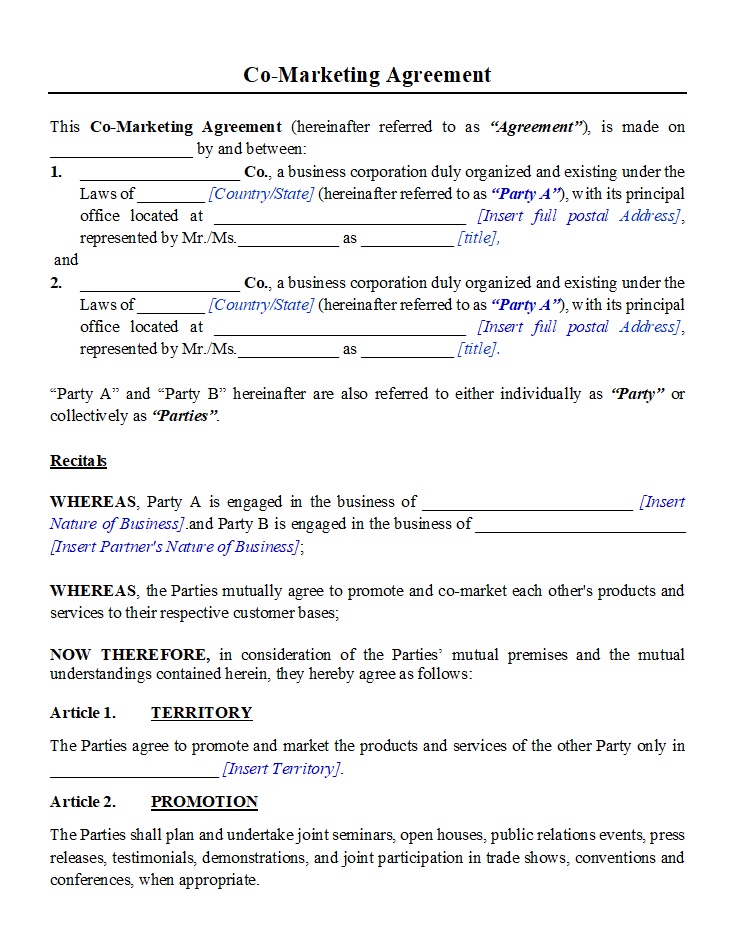
Joint Marketing Agreement Template
Source: Juro
Scope of Work for Marketing Partnership
Source: SlideTeam

Marketing Strategy Template Slide
Source: SlideTeam

Co-Marketing Campaign Launch Slide
Source: SlideTeam

Co-Partnered Marketing Campaign Overview
Source: SlideTeam

Marketing Campaign Goals Table
Source: SlideTeam

Digital Sales and Marketing Dashboard Template
Source: Smartsheet

Monthly Marketing Campaign Tracker Template
Source: Smartsheet
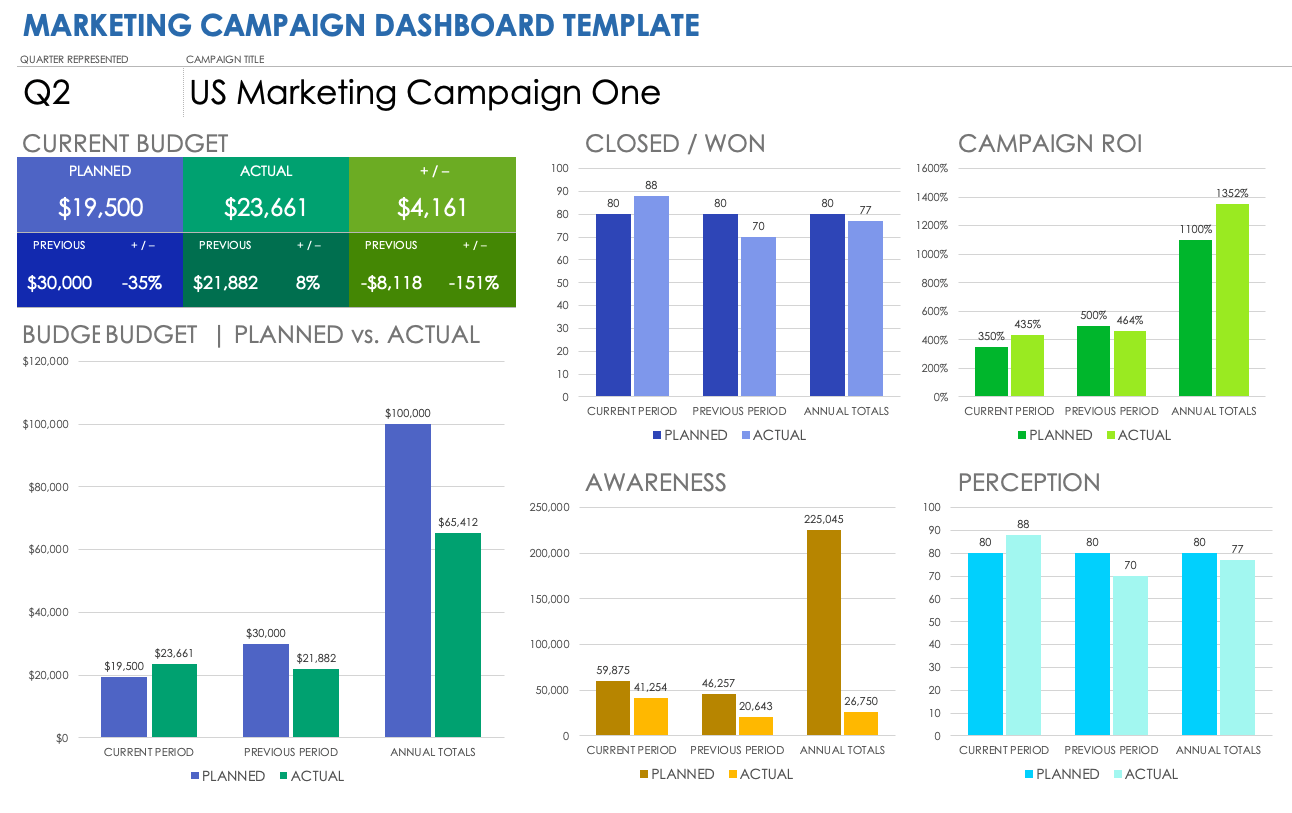
Marketing Campaign Dashboard Template
Source: Smartsheet
