Searching for for bank job with Template usually means you want a clear structure for presenting your qualifications, work history, skills, education, and career goals when seeking a banking position. A good template can provide the framework, but the real value comes from replacing generic wording with evidence that matches the role. Banking employers may recruit for teller, customer service, personal banking, lending, operations, analyst, sales, relationship management, and senior leadership positions, so the strongest document is one that reflects the duties of the specific role.
The most useful approach is to treat a template as a starting structure rather than a finished document. Your name and contact details should be easy to locate, your professional summary should quickly establish your target role, and your experience section should show what you actually achieved. Skills should support the evidence in your work history rather than simply form a long list of attractive terms.
Current career guidance for bank teller and banker resumes consistently emphasizes clear organization, relevant skills, measurable achievements, education, and tailoring to the role. Cover letters serve a different purpose: they provide context for your interest, connect your background to the position, and give you room to explain why your experience is relevant. The result should be concise, credible, and easy for a recruiter to scan.
What a Bank Job Resume Template Should Accomplish
A strong banking resume template should make important information easy to find. The reader should not have to search through decorative elements to discover your job title, recent experience, qualifications, or key skills. A simple hierarchy normally works well: contact details first, followed by a short summary or objective, work history, education, skills, certifications, and selected achievements where relevant.
The structure should also reflect your level of experience. Someone entering banking from retail or another customer-facing field may need to emphasize transferable abilities such as cash handling, accuracy, customer service, numerical confidence, communication, and reliability. An experienced banker can devote more space to portfolio responsibilities, lending, compliance, relationship management, branch performance, financial analysis, or leadership outcomes.
Formatting matters because a well-organized document reduces the effort required to understand your background. Use consistent headings, readable typography, balanced spacing, and a logical chronology. Avoid excessive graphics, crowded columns, decorative rating bars, or vague statements that take up space without proving anything. A template is successful when it improves clarity rather than when it looks elaborate.
Choosing the Right Resume Structure for Banking
The reverse-chronological format is often a practical choice when your recent work history is closely related to the banking role. It lets the recruiter see your latest position first and follow your career progression backward. For a teller, this could mean listing recent customer service or cash-handling work before older positions. For a senior banker, the most recent banking role can immediately establish relevant responsibility and seniority.
A skills-focused structure can be useful when direct banking experience is limited, but it should not hide the employment history. If you are changing careers, combine transferable skills with specific evidence from previous work. For example, a retail cashier can demonstrate transaction accuracy and customer service; an administrative worker can demonstrate record management and attention to detail; a sales professional can demonstrate relationship building and target achievement.
Whatever structure you select, consistency is more important than decoration. Dates should use the same format throughout, job titles should be clear, and each position should show the employer and location when useful. The document should also have enough white space to remain readable. A clean one-page resume can be effective for an early-career candidate, while a longer document may be reasonable for a professional with substantial, directly relevant experience.
What to Write in the Professional Summary
The professional summary is one of the first areas a recruiter may read, so it should establish your professional identity quickly. State the role you are targeting, mention the most relevant experience or education, and identify two or three strengths that matter to the position. Avoid vague claims such as being a hardworking person unless the rest of the document gives evidence for that statement.
For an experienced teller, a useful summary might emphasize transaction processing, cash balancing, customer service, and accuracy. For a relationship manager, the emphasis could shift toward client relationships, portfolio growth, financial products, and business development. For an analyst, financial modeling, research, reporting, data analysis, and attention to detail may be more relevant.
If you are new to banking, do not pretend to have experience you do not possess. Instead, explain the transferable value of your existing background. A realistic summary could describe a recent finance graduate with customer-service experience, strong numerical skills, and an interest in branch banking. The goal is to show a credible connection between your current background and the position you want.
How to Write the Work Experience Section
Your experience section should focus on responsibilities that demonstrate your ability to perform the target job. Start with the most recent relevant position and use concise bullet points. Each bullet should ideally communicate an action, responsibility, result, or capability. Instead of writing only “handled customer transactions,” explain the type of transactions, the service context, or the responsibility you carried.
Numbers can make a genuine achievement easier to understand, but only use figures you can verify. A candidate might describe processing a certain volume of daily transactions, balancing cash drawers, managing a portfolio of accounts, reducing processing errors, improving customer response time, or meeting a defined sales target. Hypothetical figures should never be presented as personal achievements.
Banking experience also benefits from language that demonstrates trust, accuracy, confidentiality, compliance awareness, and customer care. These qualities are especially useful when they are connected to real duties. For example, reconciling records, checking transaction information, following internal procedures, resolving account questions, or preparing reports can demonstrate careful handling of financial information without relying on empty adjectives.
Bank Teller Resume Content and Skills
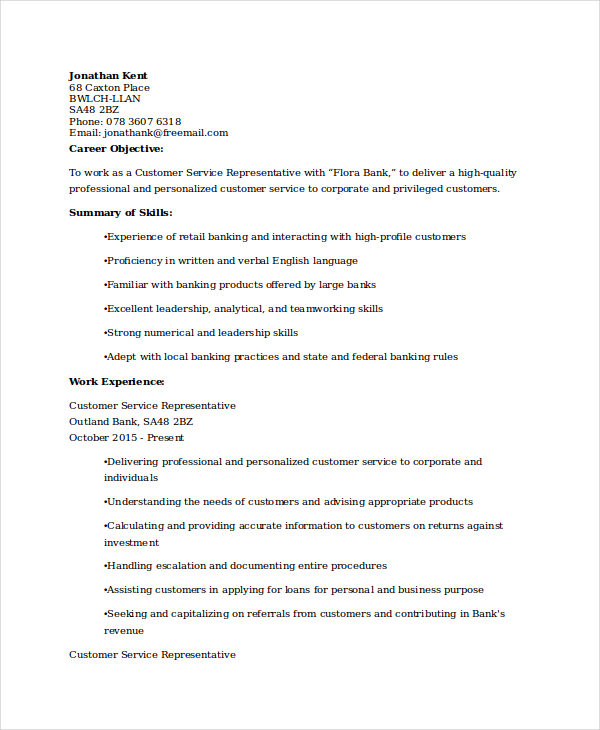
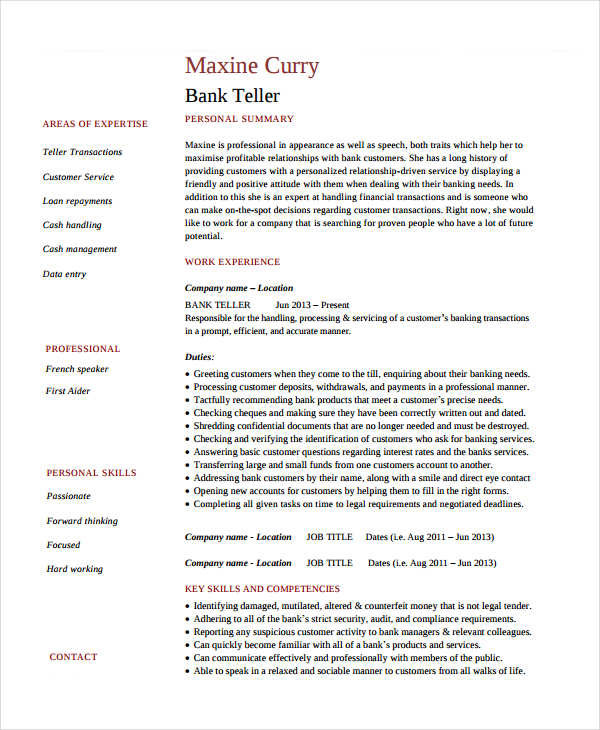
Bank teller roles commonly combine customer service with transaction accuracy. A resume for this type of position can emphasize cash handling, deposits, withdrawals, payment processing, account inquiries, balancing, record accuracy, communication, and attention to detail when those skills are genuinely part of your background. The precise duties should always be matched to the position description rather than copied from a generic sample.
Transferable experience can be especially useful for entry-level candidates. Retail, hospitality, cashiering, reception, administrative work, and other customer-facing roles can demonstrate relevant behaviors. A candidate might describe handling payments, maintaining accurate records, resolving customer concerns, following procedures, or working in a busy environment. These details give the recruiter something concrete to evaluate.
Technical skills should also be honest and specific. If the position mentions spreadsheet tools, customer relationship systems, financial platforms, or other software, list only tools you have actually used or studied. Where possible, connect a technical skill to a work achievement. A skill list says what you know; the experience section should show how you used it.
How to Handle a Bank Resume With No Direct Experience
Not having previous banking employment does not automatically prevent you from presenting a credible resume. The key is to identify the parts of your background that demonstrate behaviors needed in banking. Customer-facing work can show communication and service skills. Cashier work can show transaction accuracy. Administrative work can show organization and record handling. Academic work in finance, economics, mathematics, or business can show relevant knowledge.
For an entry-level candidate, an objective can sometimes be more useful than a traditional experience-heavy summary. It should identify the target role and explain the value you bring. Keep it specific rather than saying that you will “do anything” or “work hard.” A clear objective shows direction and gives the reader a reason to continue into the education and experience sections.
Education can carry more weight when professional experience is limited. Include your degree or highest relevant qualification, institution, dates when useful, and selected coursework or academic achievements that directly support the role. Certifications can be listed when they are genuine and relevant. Do not add credentials simply because they appear in another candidate’s example.
How to Use a CV Template for Bank Job Roles
A cv template for bank job should follow the conventions of the market where you are seeking work. In some regions, the terms resume and CV are used almost interchangeably; in others, they describe documents with different expectations. Before choosing a format, check the wording used by the employer and the position notice.
For a banking CV, prioritize professional history, qualifications, skills, certifications, and achievements that relate to the target role. A relationship manager may need a different emphasis from a teller, while an investment banking candidate may need to highlight financial modeling, valuation, transaction experience, or analytical work. The same visual template can be adapted, but the content should change substantially.
Do not allow the template to dictate what belongs in your CV. The job requirements should dictate the content, while the template controls presentation. This distinction is important because two candidates can use the same layout and still create very different documents. One may demonstrate customer service and cash accuracy; another may demonstrate credit analysis and portfolio management.

What to Include in a Banking Resume
If you are wondering for bank job with template what to include, begin with the information that directly helps a recruiter judge your suitability. Your full name and reliable contact details belong at the top. Then include a concise summary or objective, relevant experience, education, skills, and certifications or achievements when they strengthen your case.
Your contact section does not need to contain excessive personal information. A city or general location, professional email address, and phone number are usually enough unless the employer specifically requests something else. Keep the header visually simple so that the actual career information remains prominent.
The experience section should contain the strongest evidence of your suitability. Education should establish your academic foundation, while skills should reinforce the capabilities already demonstrated elsewhere. If an award, certification, language ability, or professional achievement is particularly relevant, include it in a clearly labeled section rather than forcing it into another area.
Writing Banking Resume Examples That Feel Credible
When reviewing for bank job with template examples, look for patterns rather than copying sentences. A useful example should show how a document organizes information, how achievements are phrased, and how the writer connects experience to a banking role. It should not become a script that you reproduce word for word.
For example, an experienced teller resume might feature a short summary followed by transaction-focused work history, while an investment banking resume might place greater emphasis on analytical experience and transaction exposure. A banking operations resume could highlight process improvement, controls, reporting, and coordination. These differences are more important than the color or decorative style of the template.
Examples are most useful when you ask why each section works. Does the summary establish the target role? Do the bullets demonstrate outcomes? Are the skills relevant? Is the chronology easy to follow? Does the document contain unnecessary information? Answering these questions lets you build a document that reflects your own history rather than becoming a copy of someone else’s career story.
How to Write a Banking Cover Letter
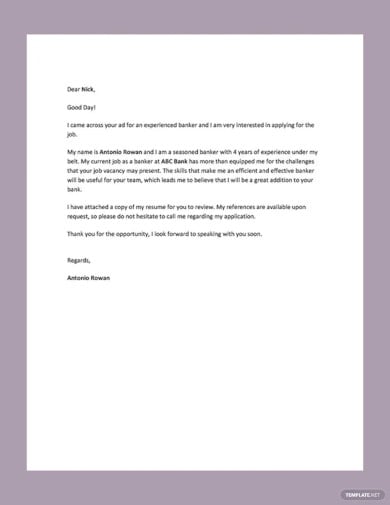
A for bank job with template cover letter should complement the resume rather than repeat it. The resume is usually the structured record of your qualifications, while the cover letter gives you space to explain your interest, connect specific experience to the role, and show that you understand the employer’s needs.
A practical cover letter structure includes your contact information, date, recipient details when known, greeting, opening paragraph, one or two focused body paragraphs, and a professional closing. The opening should identify the role and give a concise reason for your interest. The body should connect two or three relevant qualifications to the needs of the position.
For example, a teller candidate might discuss customer service and transaction accuracy. A relationship manager might discuss client relationships and portfolio responsibility. A financial analyst might discuss analytical work, reporting, and financial knowledge. Strong letters use specific evidence rather than broad claims about being the “perfect candidate.”
What to Say in a Bank Job Cover Letter
If you are asking for bank job with template what to say, focus on three questions: why this role interests you, which qualifications make you relevant, and what value you can bring. Your answer should be specific enough that the letter could not easily be sent to an unrelated employer.
For an experienced candidate, mention a relevant achievement and explain its connection to the role. For an entry-level candidate, discuss education, internships, customer service, analytical work, or other evidence of readiness. If the employer emphasizes service, accuracy, relationship building, compliance, sales, or analysis, choose examples that demonstrate those qualities honestly.
Avoid repeating every line of your resume. Instead, select the most important evidence and provide context. The letter should feel like a professional explanation of your fit, not another list of duties. Keep the language direct, avoid exaggerated claims, and make the closing clear and courteous.
Using a Bank Job Letter Template
A for bank job with template letter can help establish a consistent layout, especially when you are unsure where the date, recipient information, greeting, body paragraphs, and closing belong. The template should remain visually restrained because the reader’s attention should stay on the message.
The opening paragraph should not spend too much space repeating the job title. Instead, establish your interest and immediately connect your background to the position. The middle paragraphs can provide evidence, such as relevant customer service experience, financial education, transaction knowledge, portfolio responsibility, analytical work, or leadership experience.
The final paragraph should reinforce your interest and invite further discussion in a professional way. Review the bank name, job title, recipient name, dates, contact details, and every other personalized field before sending. A polished layout cannot compensate for incorrect employer information or generic text that was clearly written for another role.
Using a Bank Resume Template in Word
People searching for for bank job with template in word are often looking for a familiar editing format that makes it easy to revise sections, adjust spacing, and maintain a professional document. Word can work well for this purpose when the layout remains simple and the document is checked carefully after editing.
Pay particular attention to spacing and page breaks. A template can look balanced before you replace the sample content, then become crowded after you add your own experience. Remove unnecessary sections rather than shrinking the font excessively. Banking resumes benefit from clarity, and tiny text can make even excellent information difficult to scan.
Before sending the finished document, check every heading, date, bullet point, email address, phone number, company name, and job title. Review the document on the screen and, when practical, inspect a final fixed-layout version to ensure the formatting has not shifted. The goal is a stable, professional presentation rather than a complicated design.
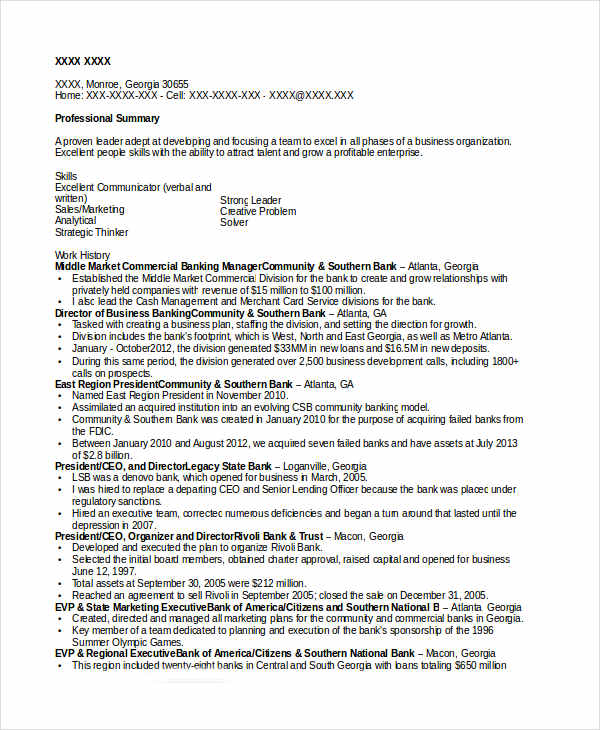
How to Write Strong Banking Resume Bullets
Strong bullets begin with clear action language and explain what you actually did. “Processed deposits and withdrawals accurately” is clearer than “Responsible for transactions.” “Reconciled daily records and investigated discrepancies” provides more information than “Handled reconciliation.” The strongest wording makes the responsibility visible without exaggerating its importance.
Whenever a genuine result exists, include it. A measurable improvement, transaction volume, portfolio size, sales target, error reduction, turnaround time, or customer service result can provide useful context. The number itself is not automatically impressive; it becomes useful when the reader understands what the figure represents and why it matters.
Do not turn every bullet into a long paragraph. Three to five strong bullets can often communicate more than a long list of repetitive duties. Select the responsibilities that best connect your previous position with the banking role you want next. This also creates a more focused document for both human readers and automated screening systems.
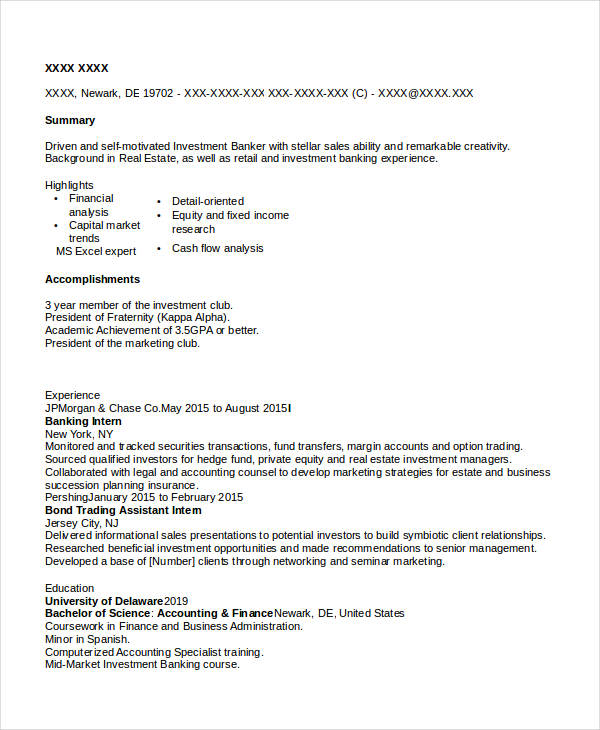
Specialized Banking Resume Templates
Banking is a broad field, so the phrase “bank job” can refer to very different careers. A teller resume should not look or read exactly like a corporate banking resume. A lending professional may need to emphasize credit assessment and loan work, while a private banker may focus on client relationships and wealth management. Operations professionals may need to show process control, reporting, and efficiency.
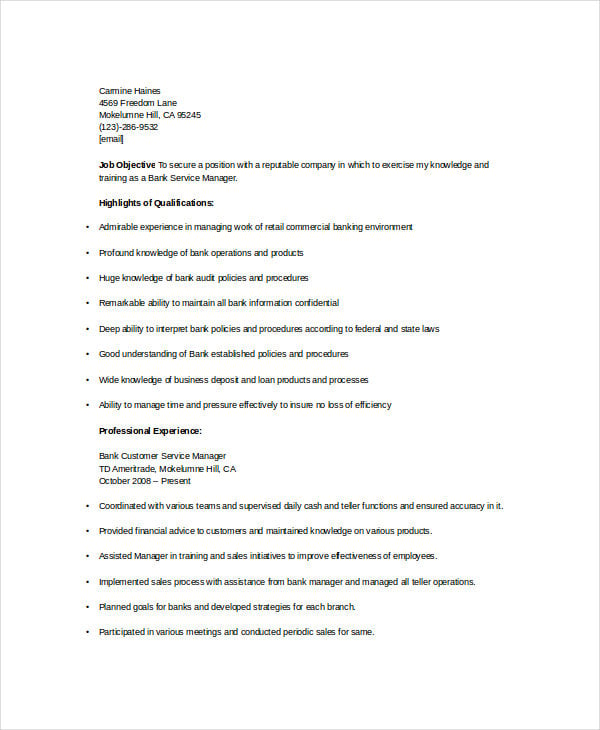
For investment banking, analytical experience, financial modeling, transaction exposure, valuation, research, and relevant education may be central. For commercial banking, relationship management, credit work, business development, portfolio responsibility, and financial analysis can be more important. Senior leadership resumes need evidence of strategy, team leadership, revenue responsibility, risk management, and operational oversight when those responsibilities are genuine.
This is why selecting a template by visual appearance alone is not enough. Choose a structure that gives enough space to the information that matters for your target role. The document should make your strongest qualifications visible quickly and allow the reader to understand how your career history supports the position.
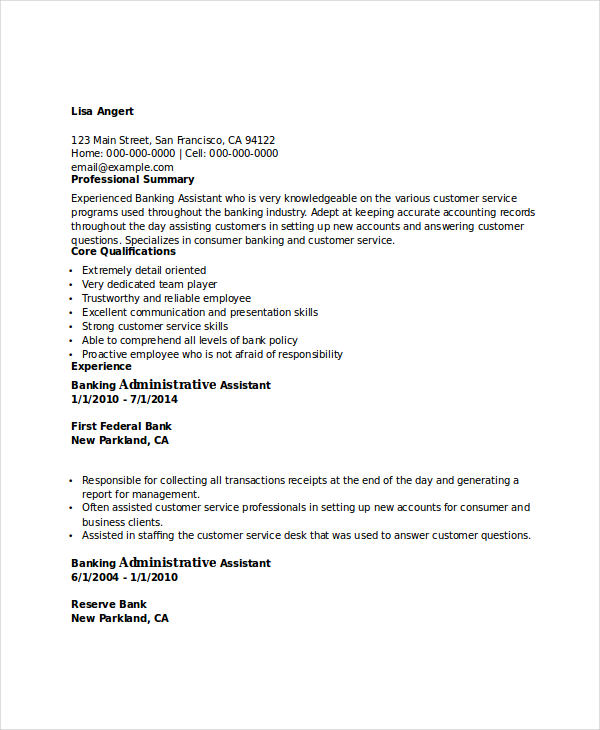
Food Bank Roles and Job Description Templates
The phrase food bank job description template usually refers to roles in a nonprofit food distribution environment rather than a financial institution. If you are preparing a resume for a food bank position, the same document principles still apply, but the relevant skills will differ. Distribution coordination, inventory records, warehouse organization, customer service, community support, logistics, scheduling, and safety may be more important than financial transactions.
When writing experience for a food bank role, describe the work performed and the outcome honestly. A candidate might have experience organizing inventory, coordinating deliveries, maintaining records, assisting visitors, handling scheduling, or supporting community programs. Volunteer experience can be valuable when it demonstrates reliability, teamwork, organization, or service, especially when direct paid experience is limited.
Do not confuse a food bank position with a financial banking position simply because both contain the word “bank.” The target employer and job duties should determine the content. A well-tailored template can accommodate either field, but the evidence, skills, and examples should be specific to the role being sought.
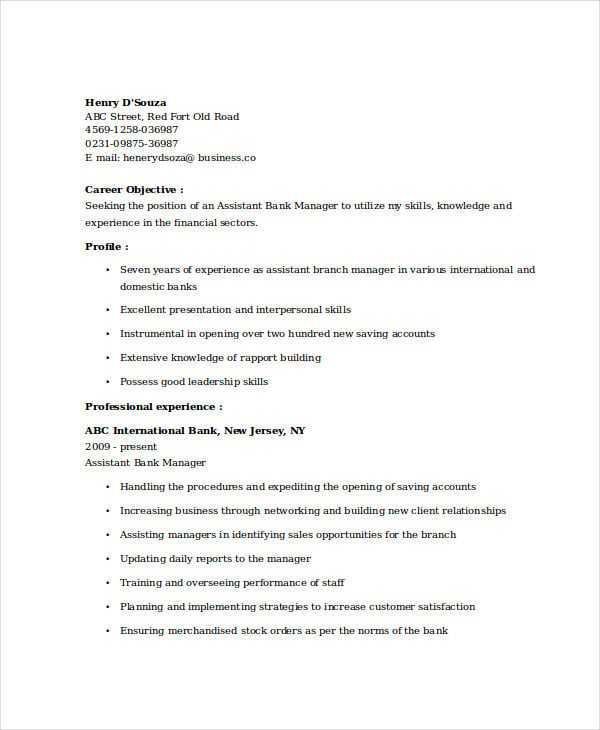
Common Mistakes to Avoid
One common mistake is relying too heavily on the template. A visually polished document can still be weak if it contains generic phrases, irrelevant skills, unexplained career gaps, or copied responsibilities. Your content should remain the main focus. The template should organize that content, not substitute for it.
Another mistake is listing every skill you have ever used. A banking resume becomes stronger when the skills section reflects the position. If the role emphasizes customer service, cash accuracy, financial analysis, lending, compliance, or relationship management, prioritize the skills you can demonstrate with evidence.
Finally, never invent metrics, credentials, software knowledge, job titles, or responsibilities. Banking roles depend heavily on trust and accuracy, so credibility matters throughout the document. Proofread carefully, remove outdated sample text, check every personalized field, and make sure the final version represents your actual background.
Practical Solution
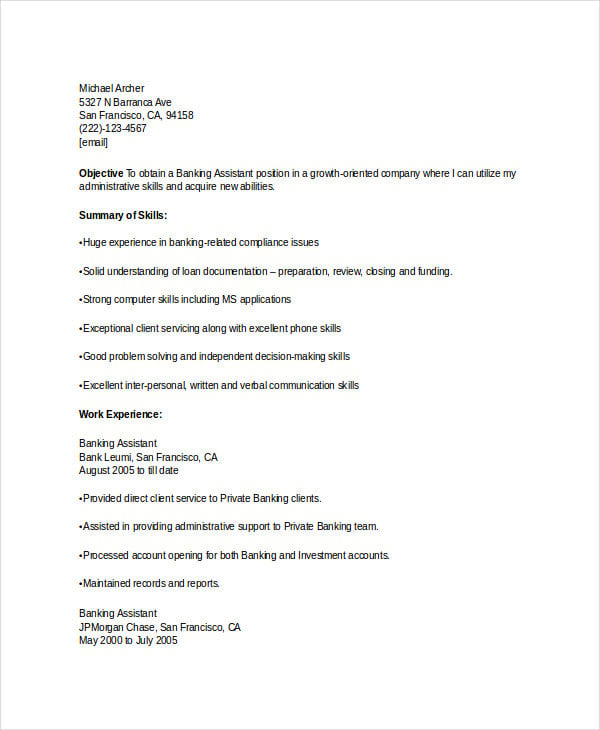
Start by identifying the exact banking position you want. Read the position description carefully and separate its requirements into experience, technical knowledge, interpersonal abilities, education, certifications, and preferred qualifications. Then choose a template whose structure gives enough room for the most important information. Do not begin by filling every available box; first decide which sections will actually strengthen your candidacy.
Next, build a master list of your genuine experience. For every relevant position, record the main duties, tools used, customers or clients served, responsibilities carried, problems solved, and measurable outcomes you can verify. Select the strongest items for the target role. Turn those items into concise bullets beginning with action verbs and add numbers only when they accurately describe your work.
Finally, tailor the summary and cover letter to the position. Make the summary identify the role and strongest qualifications. Use the cover letter to explain why the role interests you and connect two or three pieces of evidence to the employer’s needs. Review the entire document for consistency, accuracy, readability, and unnecessary wording. This workflow is more reliable than simply filling a template from top to bottom.
Final Quality Check Before Sending a Bank Resume
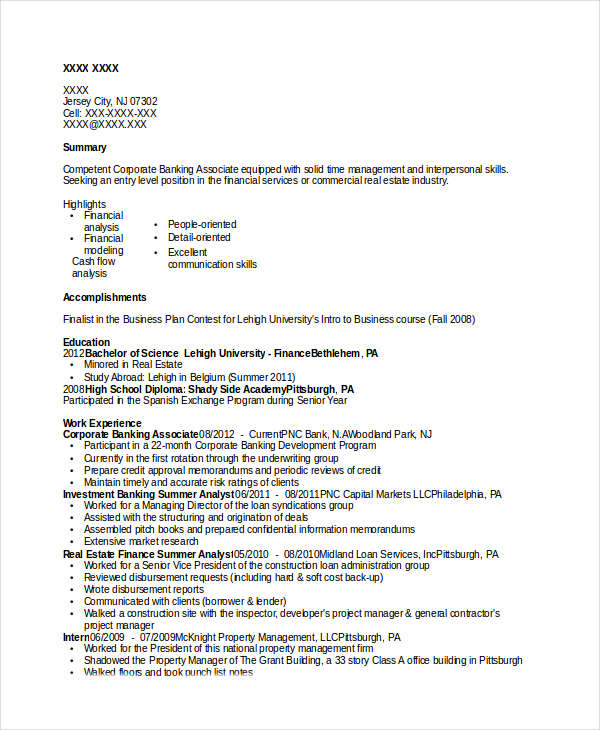
Read the document as if you were the recruiter. Can you identify the target role within a few seconds? Is the most relevant experience easy to find? Do the bullets show evidence rather than vague qualities? Does the skills section support the work history? If the answer to any of these questions is no, revise the content before changing the visual design.
Then perform a factual check. Confirm employment dates, education details, certifications, job titles, employer names, contact information, and measurable achievements. Remove sample names and placeholder fields. Make sure every statement is accurate and defensible if discussed during an interview.
The last review should focus on presentation. Check headings, spacing, alignment, page breaks, typography, and consistency. A banking resume should communicate care and precision through its content as well as its design. A restrained, readable template combined with specific evidence will usually serve you better than a highly decorative layout.
Reference Examples
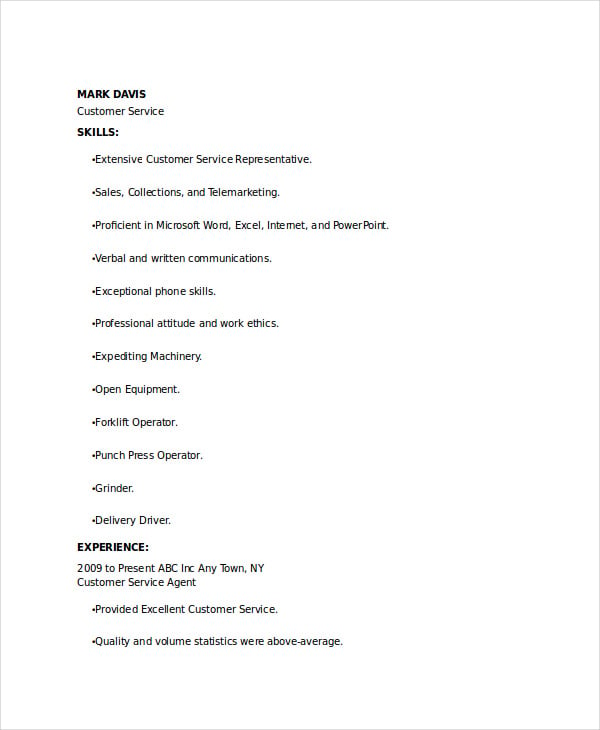
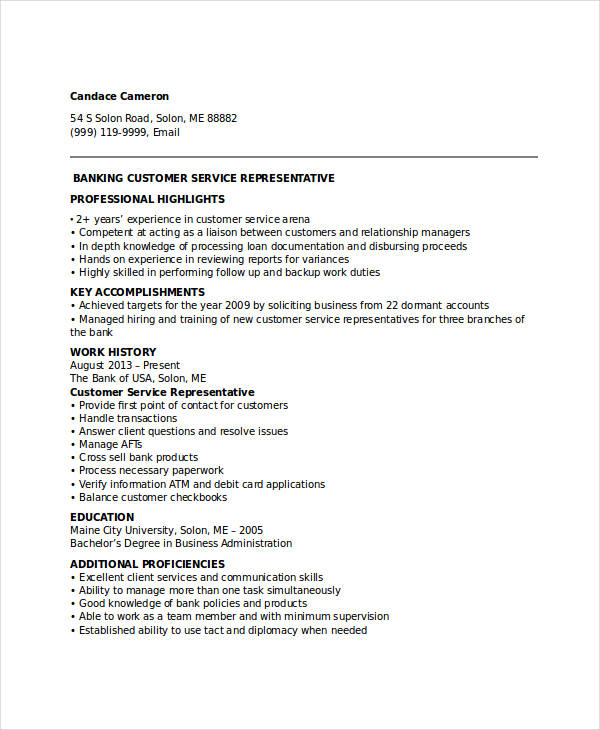
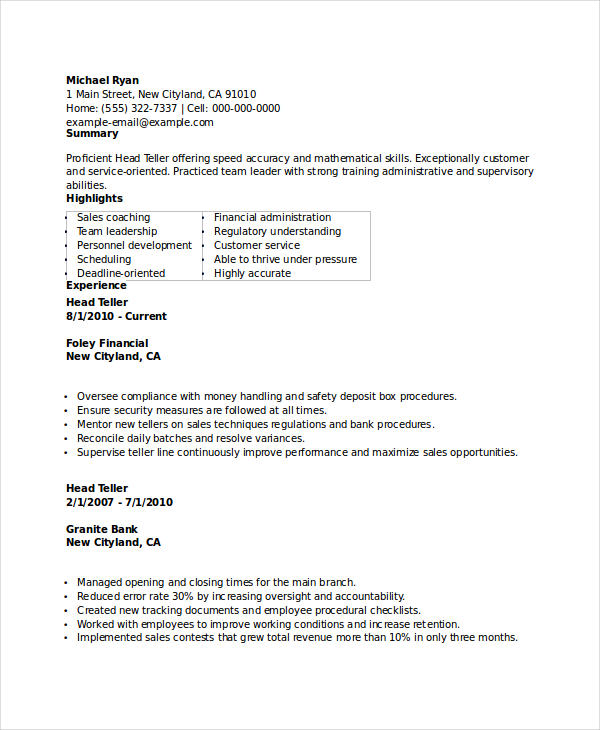
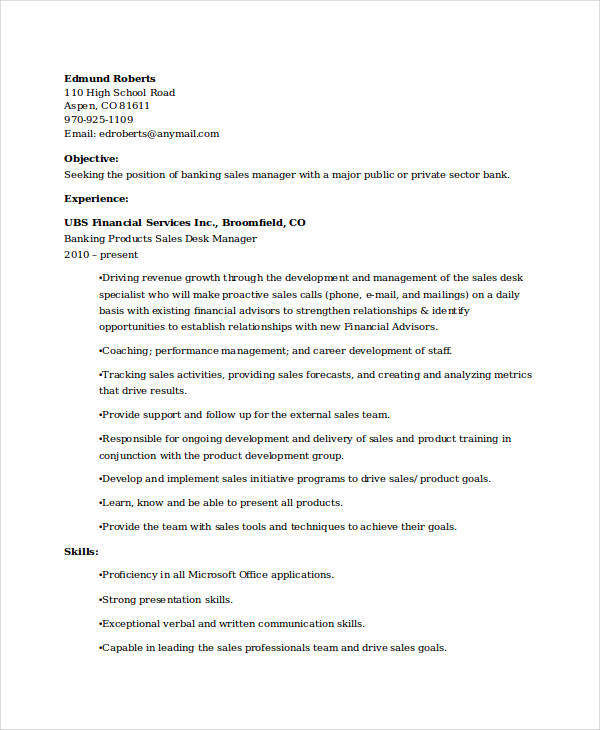
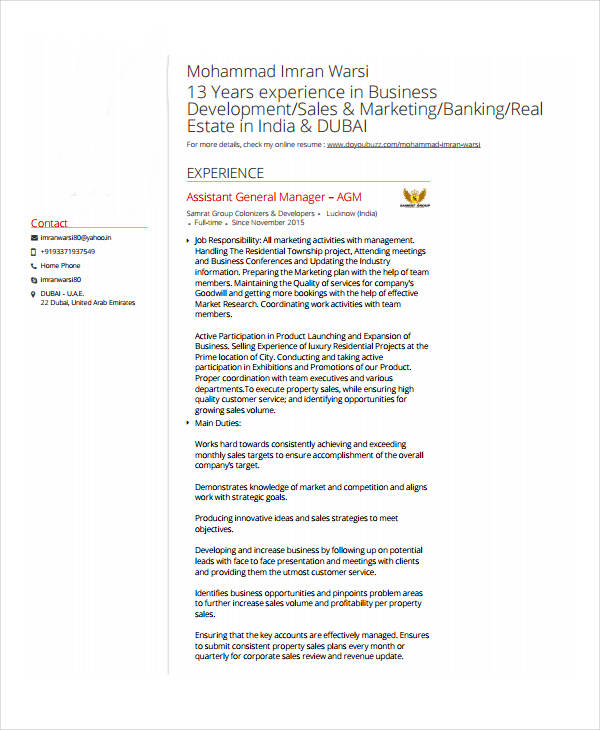
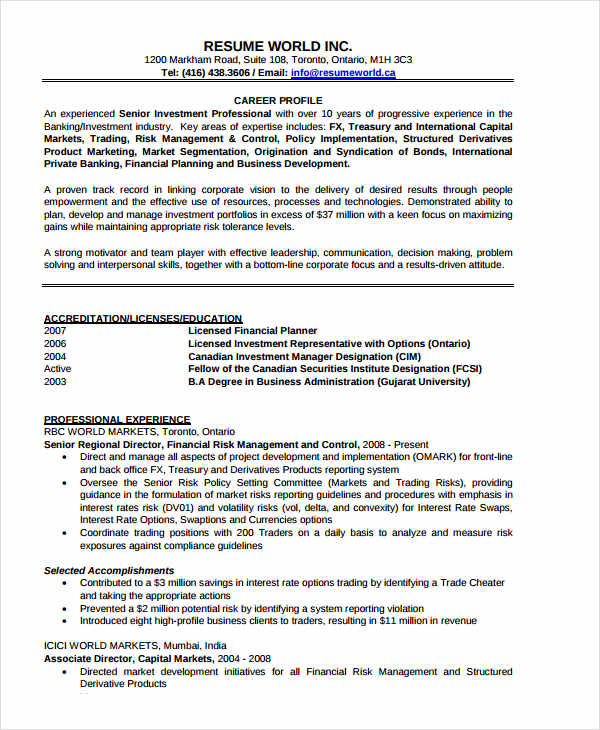
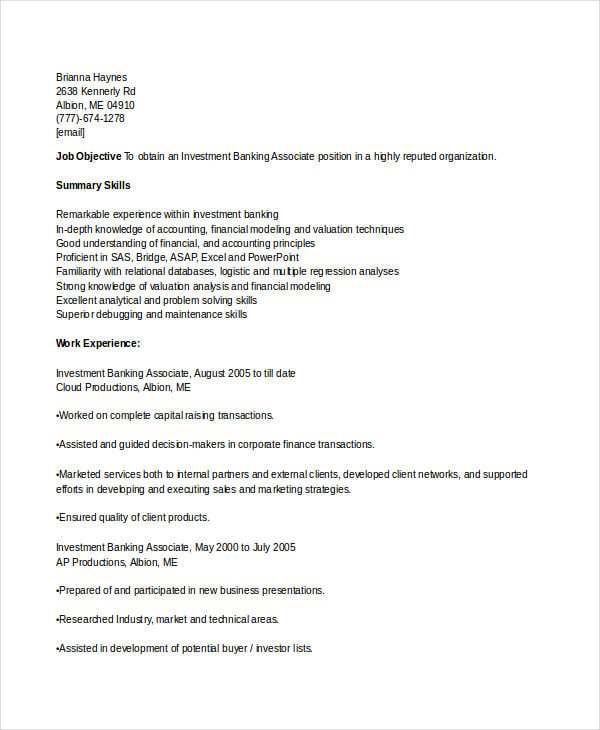
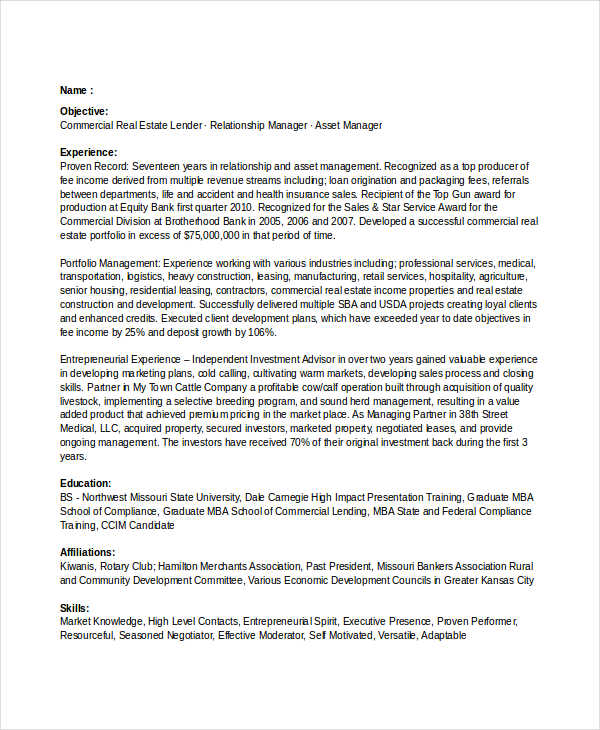
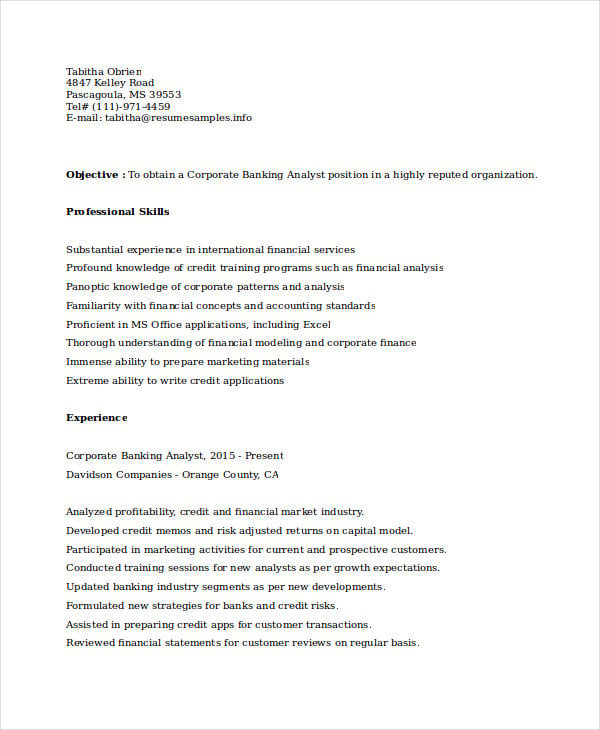
The phrase for bank job with Template is most useful when understood as a search for structure rather than a request to copy a finished document. A banking resume or cover letter template can show where the professional summary belongs, how experience can be organized, how skills can be presented, and how a formal letter can be divided into an opening, evidence, and closing. The examples below cover several banking roles and document styles, including teller, banker, customer service, and finance-oriented formats. Each visual should be treated as a structural reference while the actual wording is replaced with accurate information from the candidate’s own career history.
These reference visuals also demonstrate why there is no single perfect format for every banking role. A teller resume may give more space to transaction handling and customer service, while a senior banking resume may emphasize leadership, portfolio responsibility, analysis, or business development. Cover letters likewise vary according to career level and target position. Comparing the examples can help you recognize useful section order, information hierarchy, spacing, and emphasis, while reminding you that the strongest final document is one tailored to the specific bank role and supported by genuine evidence.

Cover Letter for Bank Job Template
Source: Template.net

Bank Teller Cover Letter Template
Source: Template.net

Bank Teller Cover Letter For Fresher
Source: Template.net
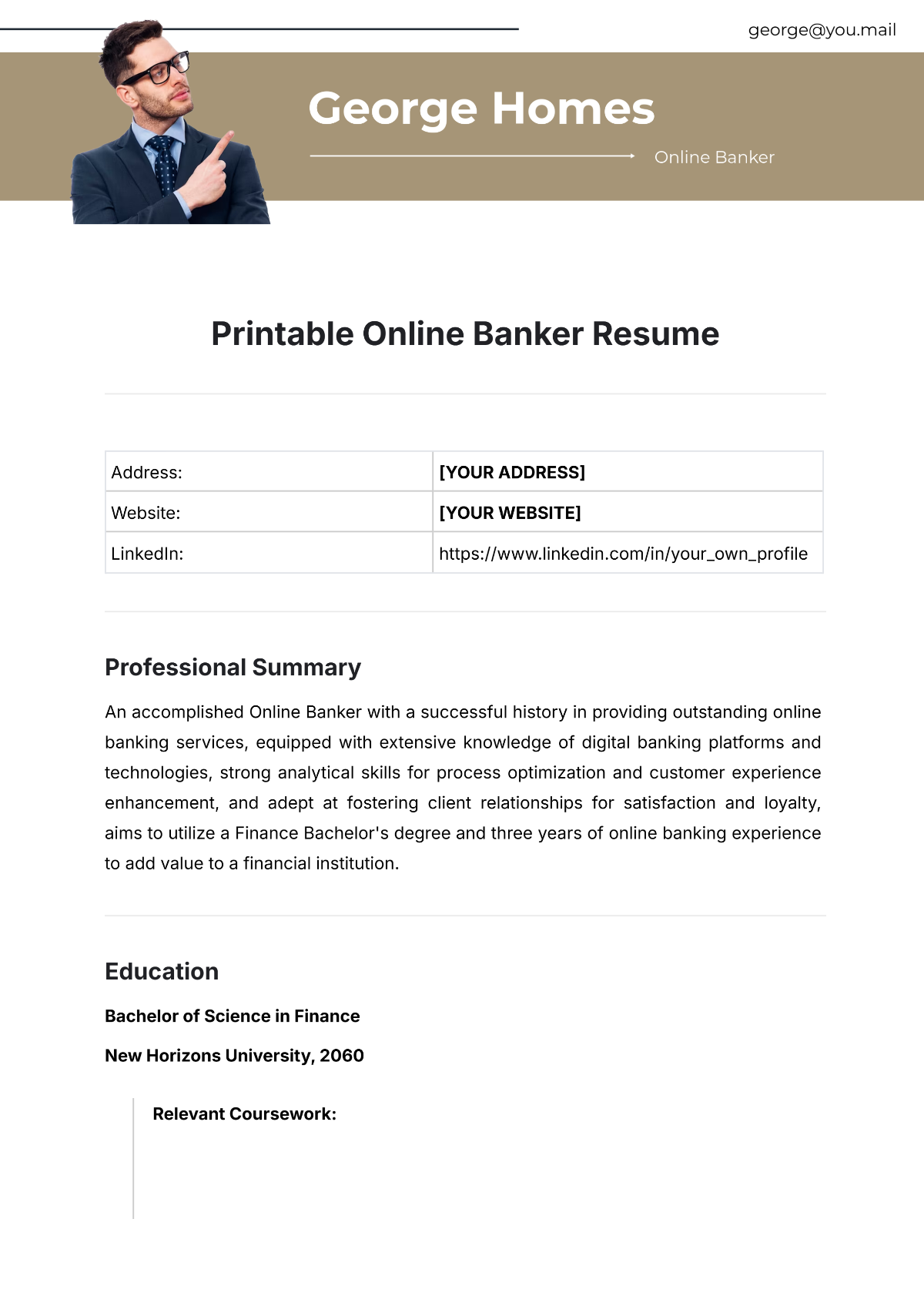
Printable Online Banker Resume Template
Source: Template.net

Banking Cover Letter
Source: CakeResume
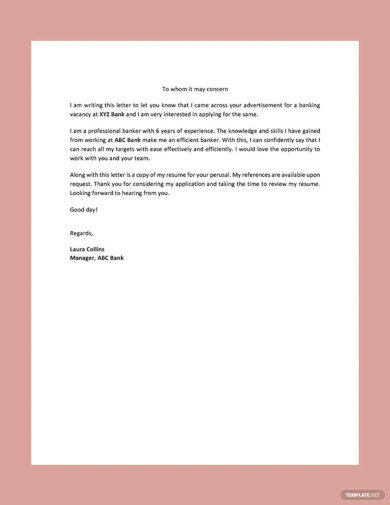
Professional Banking Resume Cover Letter
Source: Template.net
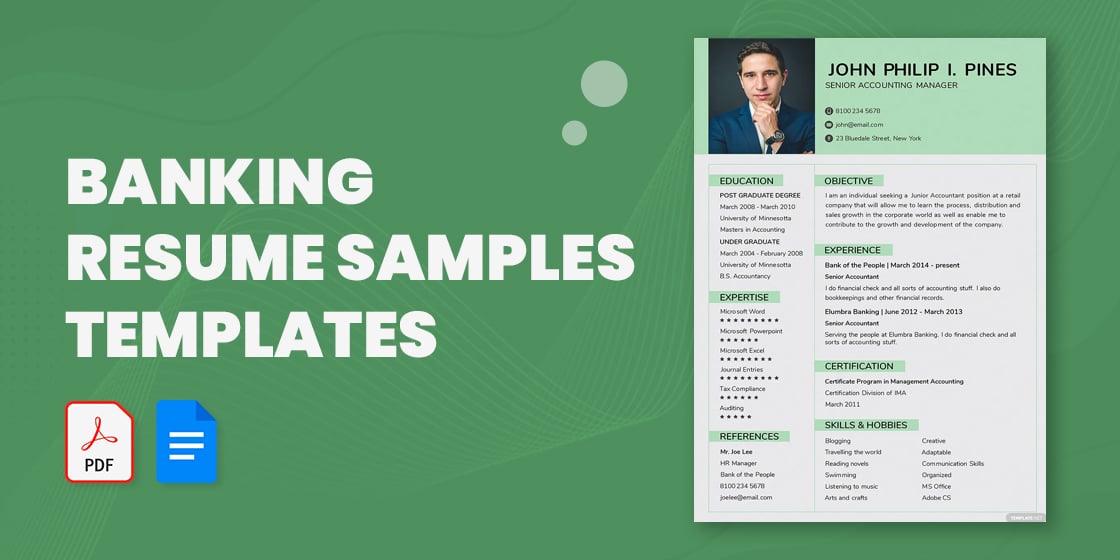
Banking Resume Samples
Source: Template.net
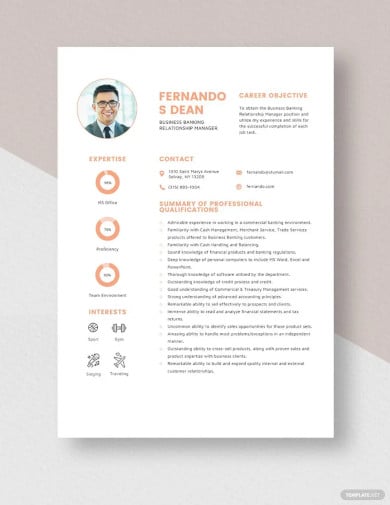
Business Banking Relationship Manager Resume Template
Source: Template.net
Banking Resume Cover Letter for Experienced
Source: Template.net

Finance CV Layout Template
Source: Template.net
