The best estimate is more than a list of prices. It connects the customer’s requested outcome with the work required to deliver it. A useful document identifies the customer and service provider, describes the scope in understandable language, separates labor from materials or other charges when appropriate, shows how the estimated total was calculated, and explains what could cause the final amount to change.
Service businesses can use estimates for repairs, maintenance, cleaning, consulting, design, installation, landscaping, information technology, professional services, home services, and many other types of work. The exact fields will vary by industry, but the underlying objective remains the same: create a clear record of what is expected before the customer authorizes the work.
Templates are especially valuable when a business prepares many similar estimates. Standardized fields reduce omissions, make documents easier to review, and allow employees to follow the same quoting process. At the same time, a template should remain flexible enough to accommodate unusual site conditions, optional services, allowances, exclusions, and customer-specific requirements.
This guide explains how to build and use a service estimate effectively, how to choose between spreadsheet and document formats, how to calculate service costs, how to describe assumptions and exclusions, and how to turn a basic form into a reliable part of the sales and job-management workflow.
What Is a Service Job Estimate Template?
A service job estimate template is a pre-structured document used to prepare an approximate price for work that has not yet been completed. It normally provides spaces for customer information, job details, service descriptions, quantities, rates, estimated costs, terms, validity dates, and approval information. The template is reused, while the actual customer, scope, pricing, and conditions are changed for each job.
An estimate should not automatically be treated as the same thing as an invoice. An estimate describes anticipated work and expected costs, while an invoice normally requests payment for work or charges that have become billable. A quote can also differ from an estimate depending on how the business defines the document and the legal or contractual effect it intends to give it. :contentReference[oaicite:0]{index=0}
The distinction matters because customers need to understand whether the number represents an approximation or a committed price. If inspection, quantities, material selections, access conditions, or other variables remain uncertain, the document should make those uncertainties visible rather than presenting an uncertain amount as though it were guaranteed.
A strong template therefore combines pricing information with scope information. A customer should be able to read the estimate and answer basic questions such as: What work is included? What is not included? How was the price calculated? How long is the estimate valid? What does the customer need to provide? What happens if additional work is discovered?
For service providers, this structure can improve communication before work begins. It also creates a useful reference when the approved scope later needs to be transferred into scheduling, work orders, invoices, or internal records. A documented estimate can therefore become an important link between a sales conversation and actual service delivery.
Why a Good Service Estimate Matters
The primary benefit of an estimate is clarity. When a customer receives only a single total, the customer may not know what that amount includes. An itemized estimate gives context by connecting the expected price to identifiable services, hours, quantities, materials, or other cost components.
Consistency is another important advantage. If several employees prepare estimates, a standardized template reduces the chance that one employee includes payment terms while another forgets them. It can also make the business appear more organized because customers receive documents that follow a recognizable format.
A template can also make internal estimating faster. Common service descriptions, units, rates, tax fields, and standard terms can be built into the working version. The estimator then spends more time evaluating the specific job and less time formatting the document.
Good estimates also help define boundaries. Service requests often change after the initial conversation. A customer may ask for an additional repair, another room to be cleaned, an extra design revision, or a different material. A clear original estimate makes it easier to identify when a request is outside the original scope.
Finally, a carefully prepared estimate gives the business a baseline for learning. After the job is completed, the provider can compare estimated hours, quantities, and costs with actual results. Over time, those comparisons can reveal recurring underestimates, overly conservative allowances, inefficient work steps, or pricing assumptions that should be updated.

Essential Components of a Service Job Estimate Template
1. Business Information
The top section should identify the service provider. Include the business name, address when relevant, telephone number, email address, website if appropriate, and any other business identifier that customers reasonably need. A logo can be added when the template’s format supports branding without making the document difficult to read.
Industry-specific information may also be relevant. Depending on the jurisdiction and type of work, a business may need to provide licensing, registration, insurance, or other information. Those requirements are not universal, so the template should be adapted to the actual business and applicable rules rather than copying requirements from another industry.
2. Customer and Service Location
The customer section should identify who requested the estimate and provide reliable contact information. For service businesses that travel to a site, include the service address separately from the customer’s mailing or billing address when the two can differ.
Separating the customer from the job location is particularly useful for contractors, cleaners, technicians, landscapers, inspectors, and mobile professionals. It reduces confusion when one customer has several properties or when the person approving the work is different from the person responsible for site access.
3. Estimate Number and Dates
Assigning an estimate number creates a simple reference system. A unique identifier can make later conversations easier because the customer and business can refer to a particular document instead of saying “the estimate you sent last week.”
Include the issue date and, when appropriate, an expiration or valid-through date. The validity period can be useful when labor availability, supplier pricing, travel costs, or other assumptions may change. A validity date should be selected according to the business’s actual circumstances rather than inserted automatically as a universal rule.

4. Project or Service Description
The scope section is one of the most important parts of a service job estimate template. It should describe what the provider expects to do in language the customer can understand. A short, specific description is usually more useful than internal abbreviations or technical shorthand.
For example, “remove existing damaged fitting, install replacement fitting, test connection, and clean the work area” gives a customer a much clearer picture than an internal code such as “fitting R&R.” The exact wording should reflect the actual service being proposed.
Where the result can be objectively reviewed, the estimate can identify deliverables or completion criteria. Creative, advisory, and professional services may instead describe meetings, deliverables, revision rounds, reports, files, or other outputs that define what the customer is purchasing.
5. Line Items
Line items connect the scope to the price. Depending on the service, columns may include description, quantity, unit, hourly rate, fixed price, estimated hours, material cost, or line total. Not every estimate needs every column.
A cleaning company might estimate labor by rooms or hours. A consultant might use a fixed project fee and optional hourly work. A repair company might separate diagnostic labor, replacement parts, disposal, travel, and additional labor. A designer might price discovery, design production, revisions, and final files separately.

Labor, Materials, Expenses, and Pricing
Labor is often the largest component of a service estimate. A basic hourly calculation is estimated hours multiplied by the applicable labor rate. However, the rate may represent more than an employee’s wage. A business may need to account for payroll costs, operating overhead, equipment, administration, insurance, and the profit required to keep the service sustainable.
Materials should be estimated separately when they are significant enough to affect the customer’s decision. This makes the document easier to understand and can make later changes easier to track. If the exact material has not been selected, an allowance or clearly labeled assumption can be used instead of pretending that the final purchase price is already known.
Other costs can include travel, equipment rental, disposal, permits, subcontracted work, delivery, special preparation, or other job-specific expenses. Whether a particular cost belongs in the estimate depends on the service and the circumstances. The important principle is to avoid surprising the customer with a known cost that was omitted from the original explanation.
Markup and profit should also be considered when establishing rates. A service provider should understand its own cost structure before choosing customer-facing prices. The U.S. Small Business Administration, for example, recommends identifying business expenses such as equipment, supplies, communications, utilities, licenses, insurance, professional services, salaries, marketing, and other business-specific expenses when planning business costs. :contentReference[oaicite:1]{index=1}
Taxes require particular care. The applicable treatment depends on the jurisdiction and the nature of the service. A template can include a tax field, but the business should determine whether tax applies and how it should be presented rather than relying on a generic template’s default settings.

Estimate Versus Quote, Invoice, and Receipt
Although these documents can look similar, their purposes are different. An estimate generally communicates expected scope and cost when some uncertainty remains. A quote can be used when the provider is offering a defined price under specified conditions. An invoice requests payment for billable work or charges. A receipt documents money that has already been received.
The terminology is not identical across every business or jurisdiction, so the label alone should not be treated as the deciding factor. The wording, terms, customer acceptance process, and surrounding agreement determine how a document functions in practice.
For example, a technician may inspect a system and prepare an estimate because hidden conditions could affect the required repair. A contractor may then prepare a more definitive quote after inspection. Once approved work is completed, the business may issue an invoice based on the actual approved work and any authorized changes.
A template workflow should preserve the relationship between these documents. The estimate number, customer information, scope, and approved changes should not disappear when the job moves from estimating to scheduling and billing.
Keeping the documents distinct also prevents a common communication problem: a customer receiving an estimate and assuming it is already a bill. Clearly labeling the document as an estimate and providing the next action can reduce that confusion.

How to Create a Service Job Estimate Template Step by Step
Step 1: Define the Business Workflow
Before designing the form, decide how an estimate moves through the business. Determine who receives the customer request, who evaluates the scope, who calculates the price, who reviews the document, who sends it, and how approval is recorded.
A small owner-operated business may have one person performing all of these tasks. A larger service company may separate sales, estimating, operations, and accounting. The template should match the actual workflow instead of introducing fields nobody uses.
Step 2: Gather the Required Information
Create a checklist of information needed for a typical estimate. This can include customer details, service address, requested service, measurements, quantities, expected hours, material requirements, travel requirements, timing, assumptions, exclusions, tax treatment, payment expectations, and approval information.
Separating required information from optional information keeps the document efficient. A one-time home service estimate should not become a five-page administrative form simply because a complex commercial project might need more fields.
Step 3: Build the Scope Before the Price
Estimating should begin with the work rather than the desired total. Define what the provider expects to deliver, then identify the resources required. This makes the calculation more transparent and helps expose missing tasks before the document reaches the customer.
For recurring services, create standard scope descriptions that can be reused. For unusual jobs, allow a custom scope field. This combination provides efficiency without forcing every job into an identical description.

Step 4: Calculate the Estimated Cost
Break the work into cost components. If the job requires 8 estimated labor hours at a hypothetical rate of $75 per hour, the labor component would be $600. If materials are estimated at $180 and travel at $40, the pre-tax estimate would be $820. This is only an example; actual rates and costs must come from the provider’s circumstances.
For fixed-price services, the calculation may happen internally even when the customer sees only a fixed line item. Internally, the business should still understand the expected labor, materials, overhead, and risk behind the price.
When uncertainty is significant, ranges can sometimes be more honest than false precision. A provider might communicate that a particular task is expected to fall within a certain range, subject to inspection or customer selection. The wording should make clear what causes the range and how the final amount will be determined.
Step 5: Add Assumptions and Exclusions
Assumptions describe conditions on which the estimate depends. Examples include reasonable site access, availability of existing infrastructure, customer-provided information, normal working conditions, or timely customer approvals.
Exclusions identify work that is not included. A clear exclusion can prevent a later disagreement when the customer assumes that a related task was part of the original service. Exclusions should be specific enough to be meaningful rather than simply saying “anything else is extra.”

Step 6: Add Validity and Change Procedures
A service estimate may depend on pricing, capacity, supplier availability, or information that can change. A validity period tells the customer when the business expects the estimate to remain current. The period should reflect the actual volatility of the work rather than being copied blindly from another template.
The document should also explain what happens if the scope changes. A simple process might require the provider to explain the additional work, provide an updated amount, and obtain customer approval before proceeding when approval is appropriate.
Change procedures are particularly valuable for jobs where hidden conditions are possible. Instead of silently performing additional work and surprising the customer later, the provider can create a clear decision point.
Step 7: Add Customer Approval
An approval area can include the customer’s name, signature, date, electronic acceptance method, or other confirmation mechanism. The legal effect of a signature depends on the document wording and applicable circumstances, so a generic template should not claim that a signature automatically creates a particular legal result.
The practical purpose is to establish a record that the customer reviewed the proposed scope and understood the next step. Businesses should keep the approved version rather than allowing the editable working copy to overwrite the version that was actually presented.

Choosing the Right File Format
Different formats solve different problems. Spreadsheet formats are useful when calculations, quantities, formulas, and reusable price lists are central to the estimating process. Document formats are useful when the estimate is primarily narrative and requires more flexible wording. PDF is often useful for the customer-facing version because it preserves the layout after export.
When Excel Makes Sense
Excel is useful when the estimate contains many line items or calculations. Formulas can multiply quantities by rates, calculate subtotals, apply discounts, and summarize taxes. A carefully constructed workbook can also use separate sheets for a price library, internal assumptions, and customer-facing output.
However, formulas should be reviewed rather than trusted blindly. A spreadsheet can produce a technically correct calculation from incorrect inputs. Protecting formula cells, validating numerical fields, and checking totals before sending the document can reduce avoidable errors.
When Word Makes Sense
Word is useful when the estimate needs detailed descriptions, terms, narrative explanations, or a layout that changes substantially from job to job. It is also familiar to many users and can be exported to PDF for distribution.
The main limitation is calculation. Word is not primarily a calculation environment, so businesses that use it for estimates should verify totals independently or use a calculation worksheet before entering the final numbers.
When Google Sheets or Google Docs Makes Sense
Cloud-based formats can be useful when several authorized team members need access to the same estimating process. Google Sheets is especially suitable for structured calculations, while Google Docs can be more convenient for narrative proposals and service descriptions.
Access permissions should be configured carefully. A customer-facing copy should normally be separated from an internal working document so internal pricing notes, margins, comments, or unrelated customer information are not accidentally shared.
When PDF Makes Sense
PDF is generally useful as a final presentation format because the layout is designed to remain consistent across devices. It can also provide a convenient archival copy of the exact version sent to a customer.
A PDF should normally be generated after the estimate has been reviewed. Sending a PDF created before the final calculations or terms have been checked can preserve an error just as effectively as it preserves correct information.

Practical Examples of Service Estimates
Example: Home Repair Service
Imagine a fictional repair company preparing an estimate after inspecting a damaged fixture. The estimate could contain a diagnostic service, replacement component, two hours of labor, disposal, and a note stating that concealed damage is excluded unless separately approved.
The customer can then see why the estimated total has several components. If inspection later reveals additional damage, the original scope provides a reference point for explaining the proposed change.
Example: Cleaning Service
A cleaning company might estimate a recurring service using a fixed visit price rather than an hourly calculation. The estimate could specify the property areas included, cleaning frequency, number of visits, special tasks, supplies, and optional deep-cleaning services.
The key issue is scope clarity. “Cleaning service” can mean different things to different customers, so the estimate should describe the expected tasks rather than relying entirely on a generic service name.
Example: Consulting Service
A consultant might use a combination of fixed and hourly pricing. For example, a fictional estimate could include a fixed discovery workshop, a fixed analysis deliverable, and optional hourly support after the initial report.
This approach makes the boundaries visible. The customer knows what the initial project includes while understanding that additional support is handled differently.

Common Mistakes to Avoid
One common mistake is using a vague description such as “repair work” or “consulting.” The customer may understand the general category but still have no idea which activities are included. A better estimate connects the service to identifiable deliverables or tasks.
Another mistake is hiding uncertainty. If a provider knows that the amount depends on inspection, material selection, site access, or customer decisions, those variables should be stated. Transparency about uncertainty is usually more useful than presenting an artificial exact number.
Businesses also make mistakes when they forget non-obvious costs. Travel, disposal, equipment rental, preparation, delivery, subcontracting, or special administrative work can materially affect the job. A structured estimating checklist can help the provider review these categories before issuing the document.
Overcomplicated templates create another problem. A form containing dozens of fields can slow down routine estimates and encourage users to enter incomplete information. Fields should exist because they help calculate, explain, approve, or administer the job.
Finally, businesses should avoid editing the original estimate after customer approval without retaining a record of the previous version. If the scope or price changes, the revised document should be identifiable as a revision or change rather than silently replacing the original record.

How to Improve Estimate Accuracy
Accuracy begins with better inputs. The estimator should gather enough information to understand the job before assigning a price. This may involve measurements, photographs supplied by the customer, site inspection, previous service records, equipment information, or a structured discovery conversation.
Historical job data can also improve future estimates. After completing a job, compare estimated labor hours with actual labor hours. Compare estimated materials with actual purchases. Review the reasons for significant differences rather than simply changing the price.
For example, if a service consistently takes more time because customers require additional preparation, the estimate process may need a dedicated preparation line item. If material costs vary substantially, the template may need an allowance or more explicit material-selection field.
Standard price libraries can make estimates faster, but they should be reviewed periodically. Old rates can become inaccurate when supplier pricing, wages, operating costs, or business strategy changes.
Accuracy should also include presentation. A mathematically correct estimate can still be confusing if the customer cannot tell which amount is the subtotal, which charges are optional, or what the final estimated total means.

Using Data From Completed Jobs to Improve Estimates
A mature estimating process treats completed jobs as feedback. The estimate is not merely a document sent to a customer; it can also become a source of operational information.
Track a small set of useful fields such as estimated hours, actual hours, estimated material cost, actual material cost, estimated total, approved changes, and final billed amount. The purpose is not to create unnecessary administration but to identify patterns that affect profitability and customer expectations.
Suppose a fictional service business discovers that routine maintenance jobs are usually estimated at three hours but often take four. That pattern suggests a problem with the labor assumption. The company can investigate whether travel, preparation, documentation, access delays, or actual task duration explains the difference.
Trend analysis can also identify which services produce the greatest variance. A simple spreadsheet can summarize the differences by job type, technician, service category, or customer segment, provided the business has a legitimate reason to analyze those fields.
The goal is not to make every estimate perfectly predictable. Some service work contains genuine uncertainty. The goal is to make the business better at recognizing uncertainty, communicating it, and pricing known work consistently.

Professional Design Principles
A professional estimate should be easy to scan. Use clear section headings, readable spacing, consistent number formatting, and enough room for descriptions. Customers should be able to locate the estimated total without searching through dense text.
Use plain customer-facing language. Technical terminology is appropriate when the customer needs it, but internal codes should not replace useful explanations. If specialized terminology is unavoidable, add a short explanation where necessary.
Make important distinctions visually clear through headings or labels. Estimated amounts, optional items, deposits, taxes, exclusions, and customer approval should not be buried inside a paragraph.
Keep branding professional but restrained. A logo and consistent typography can reinforce identity, but decorative elements should not make the cost information difficult to read or cause the document to become unnecessarily long.
Before sending an estimate, perform a final review from the customer’s perspective. Ask whether someone unfamiliar with the internal workflow could understand the service, price, assumptions, exclusions, validity period, and next action without needing an explanation from the estimator.

Practical Solution: Build a Repeatable Estimating Workflow
The most practical solution is to treat the template as one part of a repeatable workflow rather than as an isolated document. Start by defining the information required to understand the service request. Next, calculate the expected resources and cost. Then document assumptions, exclusions, timing, and approval requirements before sending the estimate.
Create a master template that contains the standard structure but keep customer-specific information out of the master copy. Store reusable service descriptions and pricing references separately when practical. This reduces the risk of accidentally sending information belonging to another customer.
For spreadsheet-based estimating, separate input cells from formulas. Use consistent units and number formats. If the workbook contains a price library, establish a process for reviewing rates. After calculating the estimate, verify the formulas and key totals before exporting the customer version.
For document-based estimating, maintain a clean master copy with standard headings, terms, and formatting. Duplicate the master for each customer rather than editing the original template. When the estimate is finalized, export a customer-facing PDF when appropriate and retain the approved version according to the business’s recordkeeping practices.
After each completed job, compare the estimate with the actual result. Record only the information that is useful for improving future estimates. Review large differences, identify their causes, and update the estimating process when a genuine recurring pattern appears.
Finally, establish a simple pre-send checklist: correct customer, correct service address, correct estimate number, complete scope, complete exclusions, correct quantities, correct rates, verified calculations, applicable taxes, validity period, payment expectations, and clear next steps. A short checklist can prevent many avoidable errors without adding much administrative work.
Reference Examples
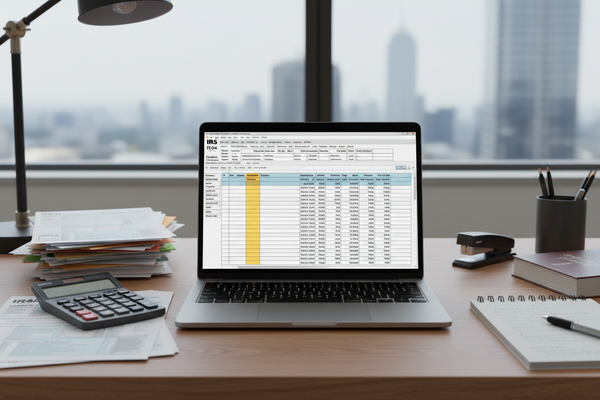
The following examples illustrate different visual approaches to estimate, spreadsheet, document, and service-pricing formats. They are reference visuals rather than claims that any particular file is the best template for every business.
service job estimate template excel
Source: Wikimedia Commons
service job estimate template free download

Source: Vertex42
service job estimate template free
Source: Wikimedia Commons
service job estimate template pdf
Source: Wikimedia Commons
service job estimate template excel free

Source: Wikimedia Commons
service job estimate template word
Source: Wikimedia Commons
service job estimate template google sheets
Source: General Reinsurance AG / Genre
service job estimate template google docs
Source: Perry Real Estate College
service estimate template free

Source: Kun.uz
estimate for services template
Source: Wikimedia Commons
estimate for job template
Source: Wikimedia Commons / U.S. National Archives collection
job estimate template pdf
Source: Wikimedia Commons
Frequently Asked Questions
What should a service job estimate template include?
At minimum, include provider and customer information, estimate number and date, service description, line items or pricing structure, estimated total, assumptions, exclusions, validity information, and clear next steps. Add industry-specific fields when they genuinely help explain or administer the job.
Is a service estimate the same as an invoice?
No. An estimate normally communicates expected work and cost before the final billing stage. An invoice is generally used to request payment for billable work or charges. Businesses should keep the two documents clearly labeled and use terminology appropriate to their workflow and jurisdiction.
Should labor and materials be separated?
Often, yes. Separating labor and materials can make the estimate easier to understand and can make changes easier to explain. However, a simple fixed-price service may not need a detailed internal cost breakdown if the customer receives enough information to understand the service being purchased.
Should an estimate include taxes?
If applicable, the estimate should explain how taxes are handled. The correct treatment depends on the location, type of service, and applicable tax rules. A generic template should not be assumed to know the correct tax treatment for every business.
How long should an estimate remain valid?
The validity period should reflect how quickly the factors behind the estimate can change. A business that relies on stable rates may use a longer period, while a job dependent on volatile pricing or limited availability may require a shorter period. The important point is to state the period clearly.
Can an estimate include a price range?
Yes, when uncertainty makes a single number misleading. A range can be useful when the final cost depends on inspection, material selection, quantities, or other unresolved conditions. Explain what causes the range and how the final amount will be determined.
Should customers sign an estimate?
An approval or signature area can provide useful evidence that the customer reviewed the proposed scope and chose to proceed. However, the legal effect of a signature depends on the document wording and applicable circumstances, so businesses should not assume that a generic signature line automatically creates a particular legal relationship.
What is the best format for a service estimate?
Choose the format that matches the work. Excel or another spreadsheet is generally useful for calculation-heavy estimates, Word or Google Docs can work well for narrative documents, and PDF is useful for preserving the final customer-facing layout. Many businesses use more than one format in the same workflow.
How can a business make estimates faster?
Use reusable service descriptions, standard units, maintained price references, calculation formulas where appropriate, and a pre-send checklist. The goal is to reduce repetitive formatting while preserving enough flexibility to describe each customer’s actual requirements.
How can estimates become more accurate over time?
Compare estimated quantities, hours, and costs with actual job results. Investigate significant differences and look for recurring patterns. Updating assumptions based on real completed-job data can gradually improve future estimates without requiring a complicated system.
Conclusion
A well-built service job estimate template gives a service business a practical way to communicate scope, expected cost, assumptions, exclusions, timing, and approval requirements before work begins. The strongest templates are not necessarily the most elaborate; they are the ones that make the important information easy to understand and easy to verify.
Choose the file format according to the work, separate known costs when that improves clarity, document uncertainty instead of hiding it, maintain clear boundaries around scope changes, and preserve the approved version of every important estimate. Most importantly, treat completed jobs as feedback so future estimates can be based on better information.
When these practices are combined, a simple template becomes more than a reusable form. It becomes a repeatable estimating process that supports clearer customer communication, more consistent pricing, better operational records, and a smoother transition from an initial service request to approved work and final billing. I can also create a visual diagram showing the complete estimate-to-invoice workflow.
