A request to renew lease letter Template is useful when a tenant wants to communicate a clear intention to remain in a rental property after the current lease expires. It can also help a landlord present proposed renewal terms in an organized way. The strongest letters identify the existing lease, property, expiration date, desired renewal period, proposed terms, response expectations, and contact details without making the message unnecessarily complicated.
A lease renewal letter is generally a communication about continuing a tenancy rather than a substitute for the renewed lease itself. The exact legal effect of a letter depends on the wording, the existing lease, and applicable local law. A well-written letter therefore avoids making unsupported legal promises and instead clearly states whether it is a request, proposal, notice, confirmation, or acknowledgment.
Readers searching for a renewal template often want something they can adapt quickly for a landlord or tenant situation. This article explains the structure, wording, timing, key terms, common mistakes, and practical uses of renewal correspondence. It also provides visual examples of different document layouts so you can compare how a clear lease renewal letter is typically organized.
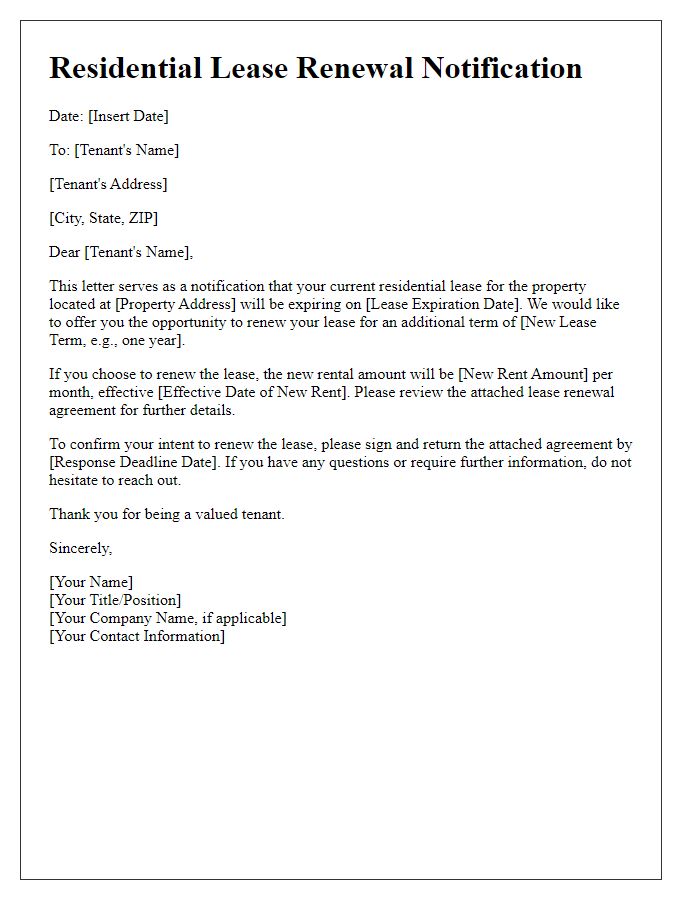
What a Lease Renewal Letter Is and What It Does
A lease renewal letter is a written communication concerning the continuation of an existing rental arrangement. Depending on who sends it, the letter may ask to continue the tenancy, offer a new term, propose revised rent, confirm an agreement already reached, or remind the recipient that the existing lease is approaching its end. The purpose should be obvious from the first paragraph so the recipient does not have to interpret the writer’s intention.
For a tenant, the letter can communicate a desire to remain in the property and identify the preferred renewal period. A tenant may also ask whether the current rent and other conditions will remain unchanged or request a conversation about specific terms. For a landlord, the letter can present a proposed term, rental amount, response date, and material changes that need to be considered before the renewal is finalized.
A useful distinction is between a letter and the actual renewed lease. A letter may document an intention or proposal, while the binding renewal arrangement may require a signed agreement or another process established by the original lease or local rules. For that reason, wording such as “I am requesting,” “I am proposing,” or “I am confirming” is often more precise than language that automatically treats the letter as the completed renewal contract.
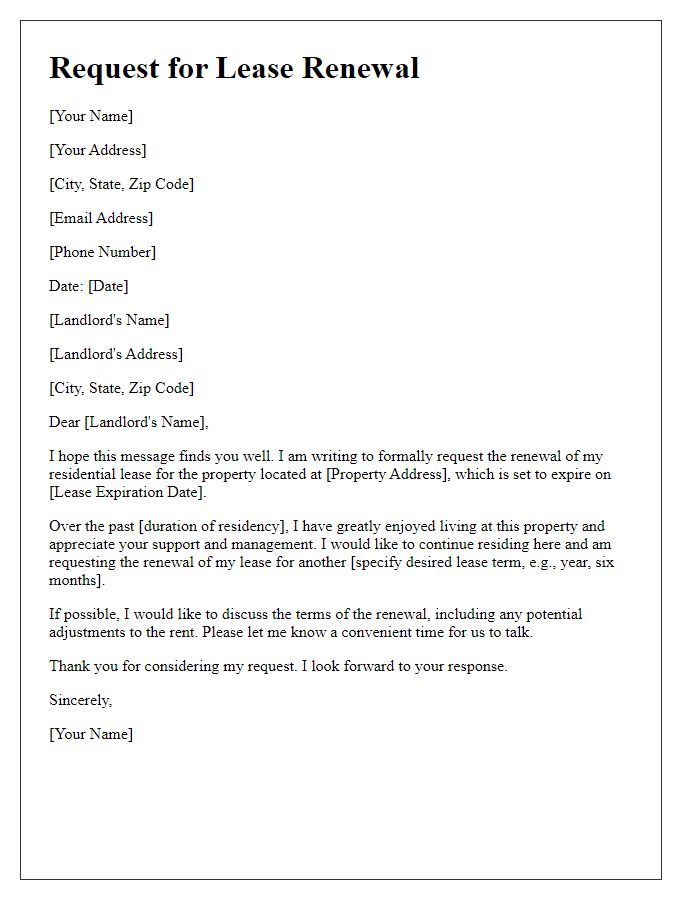
The document should also be easy to identify later. A subject such as “Request to Renew Lease for [Property Address]” creates a useful record and reduces the possibility of confusion when multiple properties, units, or tenants are involved. This is especially important when correspondence is exchanged by email and may later be reviewed alongside the original lease.
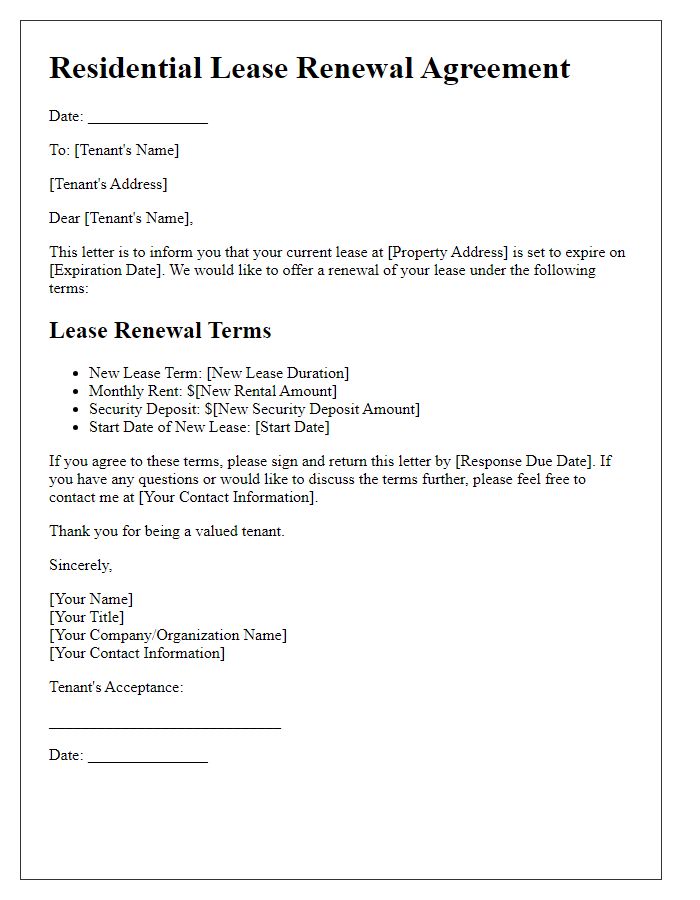
Essential Information to Include
The first section should identify the sender, recipient, date, and rental property. For a residential tenancy, include the tenant’s name, landlord or property manager’s name, full property address, and unit number when applicable. Contact information is also helpful because renewal discussions can require clarification about dates, rent, signatures, maintenance responsibilities, or other conditions.
The next part should identify the existing lease. State when the current agreement began if useful, and most importantly identify its expiration date. If the parties have more than one agreement or amendment, a reference to the relevant lease date or property can make the letter easier to match with the correct records. Avoid relying on vague wording such as “my current agreement” when several documents may exist.
The renewal request itself should then state the desired outcome. A tenant might ask for another 12-month term, six months, or another mutually agreed period. A landlord might offer a specific renewal period. If the writer is not certain about the new terms, the letter can simply request renewal discussions rather than presenting assumptions as settled facts.
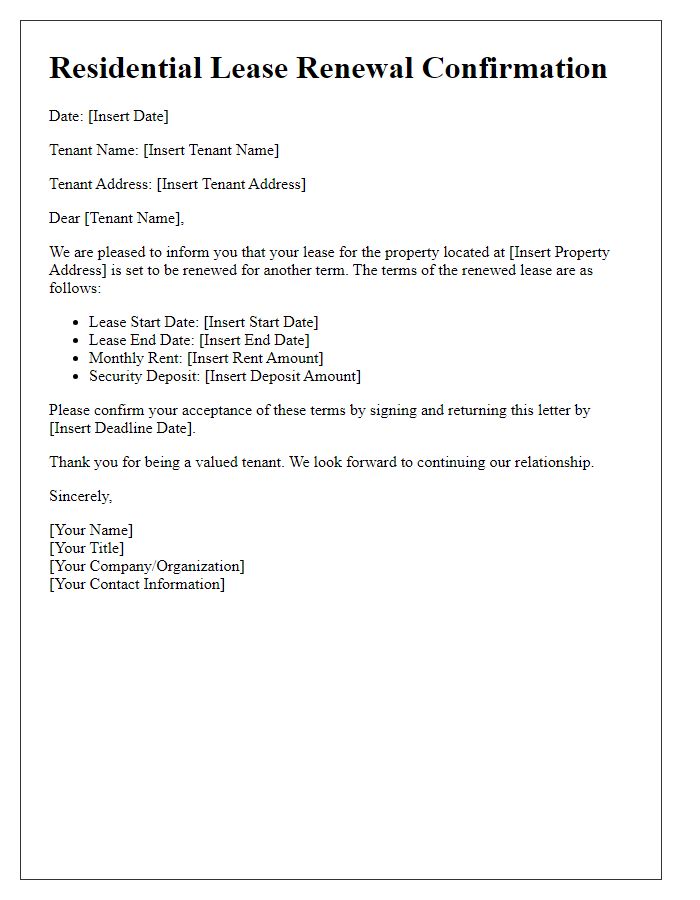
Financial terms deserve particular care. If the rent will change, state the current amount, proposed amount, and date when the new amount would begin, where appropriate. If the rent is intended to remain unchanged, say so clearly. Other financial items, such as a security deposit, parking charge, utility arrangement, or recurring fee, should be identified when they are actually changing rather than buried in general language.
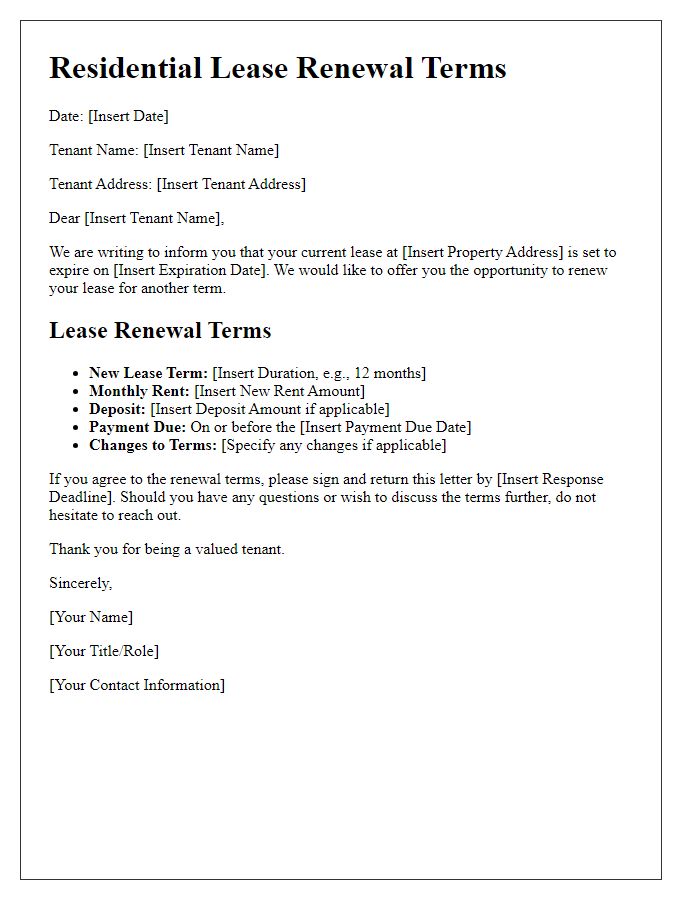
Finally, explain what the recipient should do next. A tenant can ask the landlord to confirm whether renewal is available and request the proposed terms. A landlord can specify a reasonable response date and explain how acceptance should be communicated. The letter should also provide a reliable contact method so that questions can be resolved before the existing lease reaches its end.
How Tenants Can Request a Renewal
A tenant’s letter should be direct without sounding demanding. The opening can state that the current lease for the named property expires on a particular date and that the tenant would like to continue renting the property. The request should identify the preferred term and invite the landlord to provide or confirm the renewal conditions. This approach works particularly well when the tenant has not yet received a formal renewal offer.
For example, a tenant could write: “I am writing to request renewal of my lease for [property address], which currently expires on [date]. I would like to continue the tenancy for an additional [term]. Please let me know the proposed rent and any changes to the existing lease conditions.” This wording is concise, identifies the purpose, and leaves room for the parties to negotiate without prematurely treating the terms as finalized.
If the tenant has a positive rental history that is relevant, it can be mentioned briefly. Statements about consistently paying rent on time, caring for the property, or communicating responsibly can provide useful context, but the letter should avoid exaggerated claims. The strongest request remains focused on the renewal itself rather than becoming a long personal explanation.
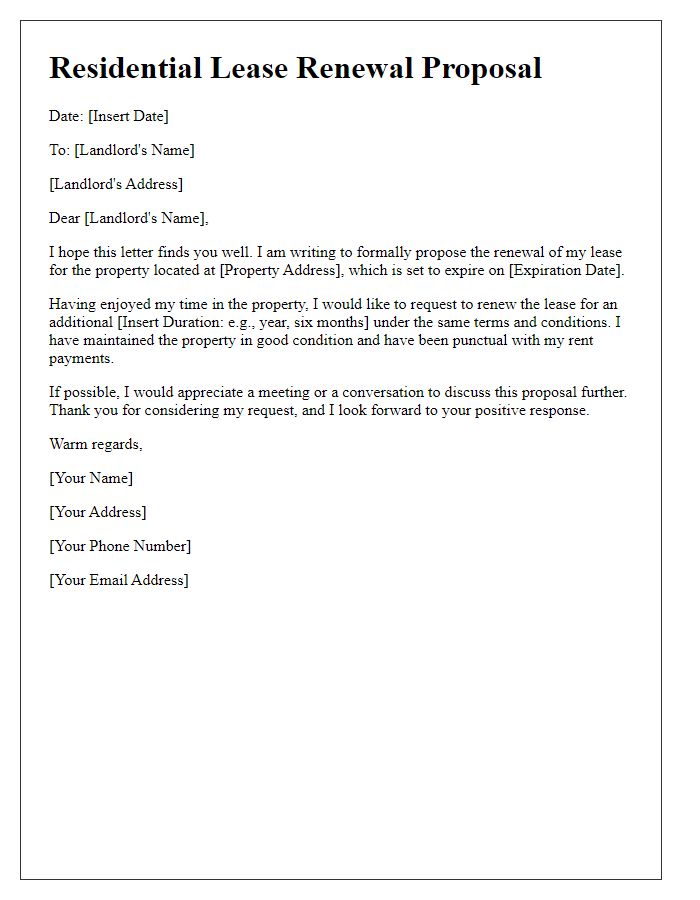
Someone looking specifically for a request to renew lease letter template for tenant should make sure the template leaves room for the tenant’s preferred term, property address, current expiration date, contact details, and questions about new conditions. If the tenant wants the rent to remain the same, that request can be stated politely rather than presented as an automatic entitlement.
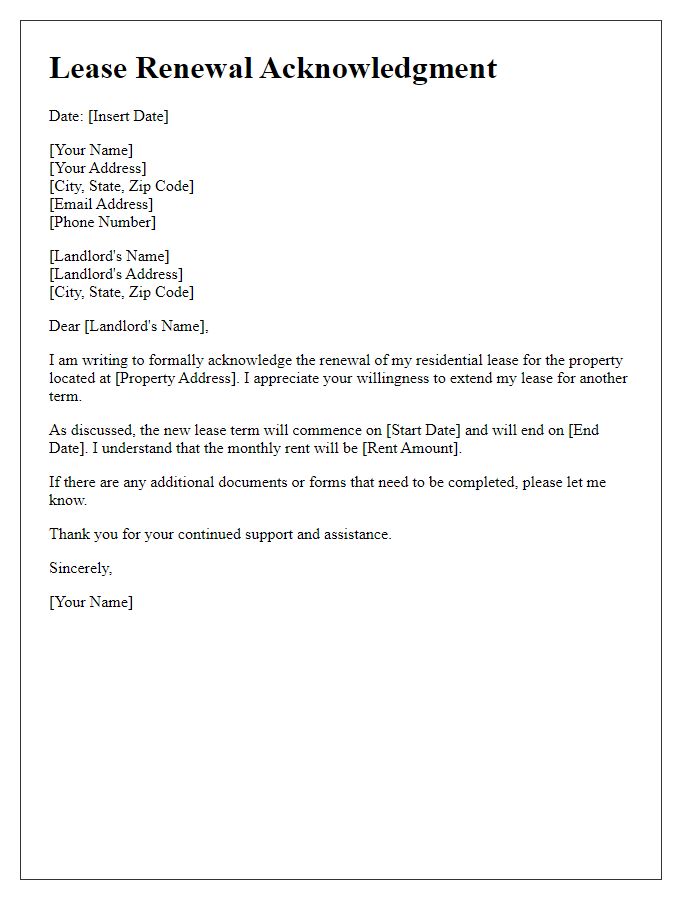
A useful request to renew lease letter template word structure can therefore be simple: sender details, date, recipient details, subject, reference to the current lease, renewal request, proposed term, discussion of terms, response request, and signature. The format matters less than ensuring that every important detail is accurate and easy to locate.
How Landlords Can Offer or Confirm Renewal
A landlord’s renewal letter has a slightly different purpose because it may communicate an offer rather than a request. The letter should identify the current lease end date and clearly state the proposed new term. If the rent is changing, the proposed amount should be unmistakable. If other provisions are changing, summarize those changes rather than assuming the tenant will discover them later.
A clear landlord letter can say that the current lease expires on [date] and that the landlord is offering a renewal from [new start date] through [new end date] at [rent amount] per month. It can then identify any changes involving utilities, parking, maintenance responsibilities, occupants, or other material conditions. The tenant should have a clear way to ask questions before signing the renewed agreement.
A request to renew lease letter template for landlord can be adapted either for an offer from the landlord or for a response to a tenant’s request. The important point is to label the purpose accurately. An offer, a notice, and a confirmation are different communications even when they contain similar information.
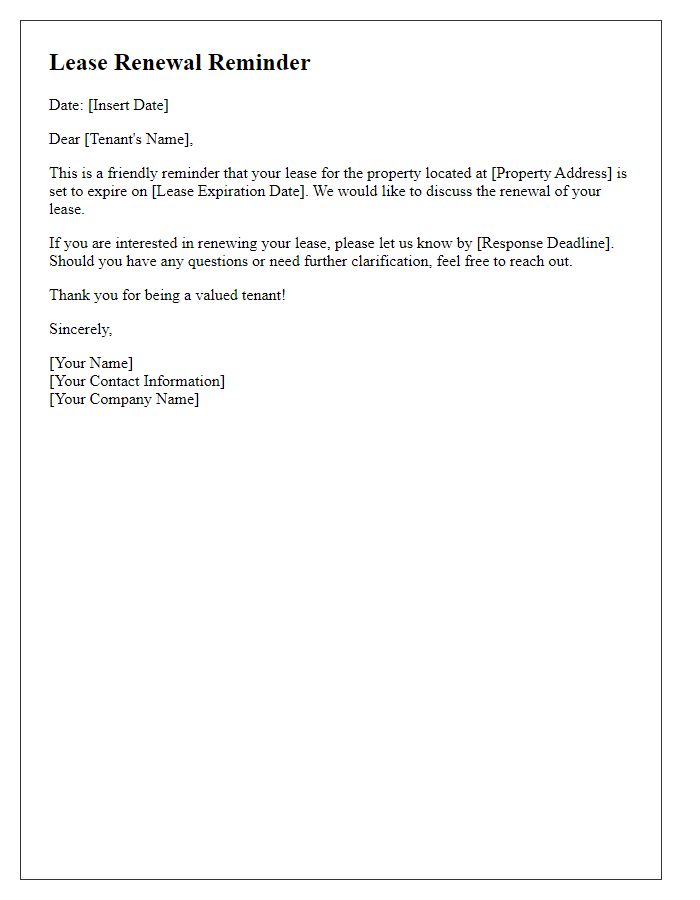
The tone should remain professional and factual. A landlord does not need to make the letter overly formal, but the document should avoid ambiguous promises. If the landlord expects the tenant to sign a new agreement, the letter should explain that the renewal process includes signing the appropriate lease documentation.
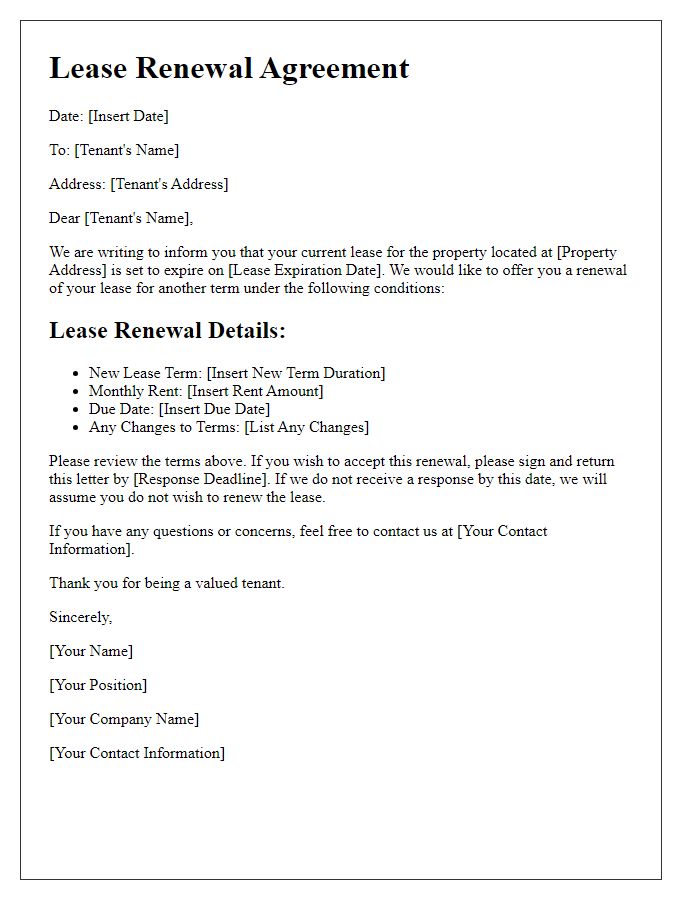
For a renew lease letter to tenant, clarity is especially important when the rent or other conditions will change. Listing the new terms in a short section can make the letter easier to review. The tenant should be able to distinguish between existing conditions that remain in effect and new conditions proposed for the renewal period.
Timing and the Lease Renewal Due Date
Timing should be based first on the existing lease and then on applicable local requirements. There is no single universal renewal schedule that applies to every rental arrangement. Different leases and jurisdictions can establish different notice periods, response procedures, and rules for rent changes or non-renewal. The safest approach is to review the original agreement carefully before selecting a response date.
The phrase request to renew lease letter template due date is useful because the response date can be one of the most important practical details in the correspondence. A landlord may need a tenant’s decision before preparing a new agreement, while a tenant may need confirmation early enough to make housing plans. The letter should therefore give a specific calendar date rather than using vague wording such as “as soon as possible.”
The response date should not be presented as legally binding unless the writer has verified that the lease or applicable rules support it. A practical letter can say, “Please let me know by [date] whether you would like to proceed so we can finalize the renewal arrangements.” This communicates the requested timeline without inventing a legal consequence for failing to respond.
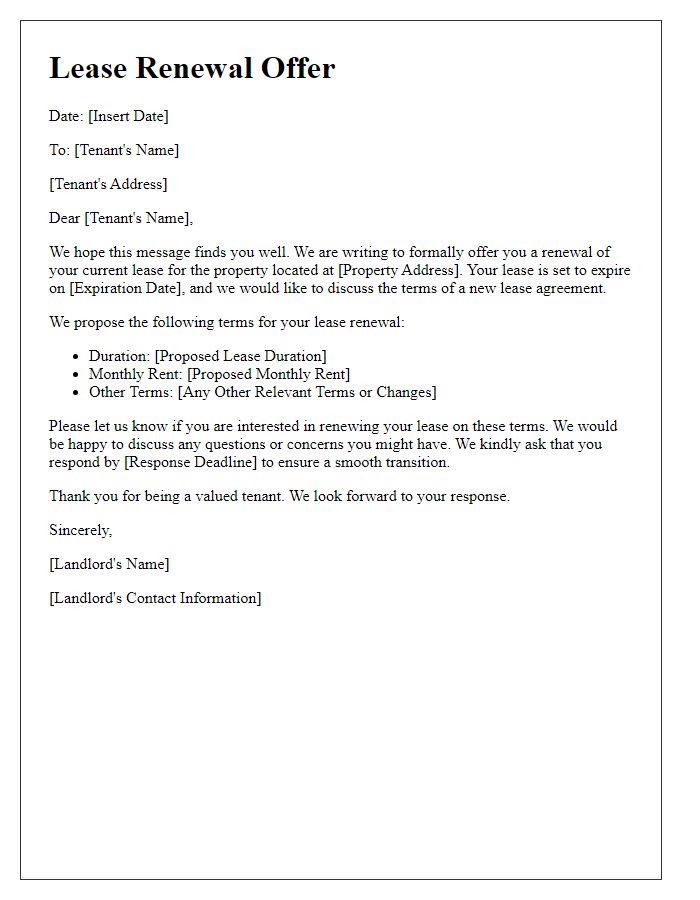
A lease renewal letter sample to tenant should therefore show the expiration date and proposed response date in prominent places. This helps the reader understand the timeline at a glance. It is also wise to retain a copy of the letter and evidence of how and when it was sent, especially when the correspondence forms part of a formal rental record.
How to Handle Rent Changes and Other Terms
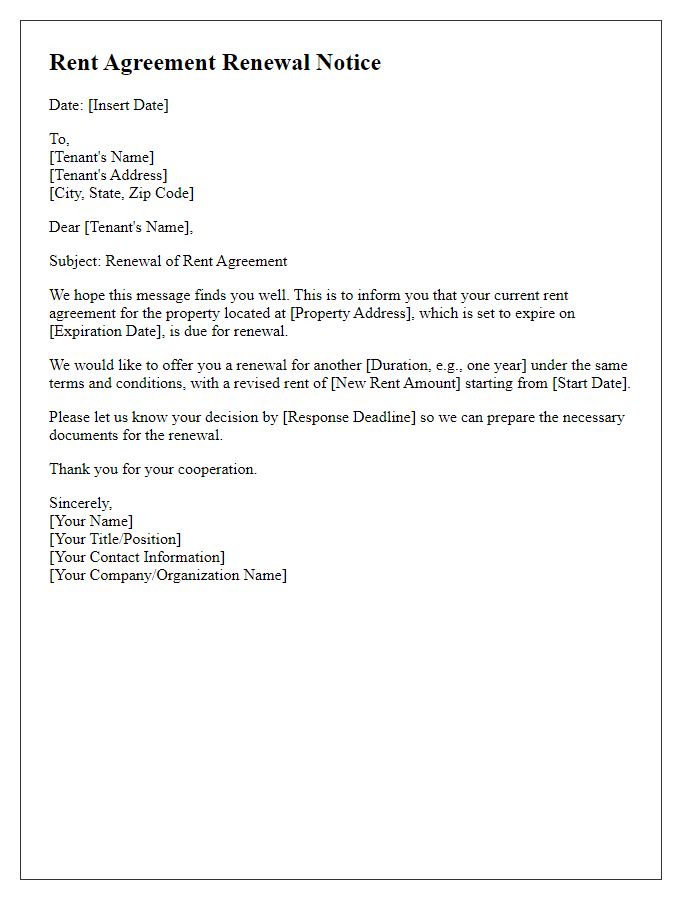
Renewal discussions often involve more than simply extending the expiration date. Rent may change, a different lease term may be proposed, or responsibilities may be revised. A strong letter separates these points so the recipient can understand exactly what is being proposed. Combining every change into one dense paragraph makes comparison with the current lease more difficult.
If rent changes, identify the old amount and proposed amount when that comparison is useful. The effective date should also be stated. If the security deposit changes, explain the proposed amount separately. If utilities, parking, maintenance, or other recurring responsibilities change, identify those items clearly instead of using a broad phrase such as “other conditions may apply.”
The phrase letter to renew lease agreement can refer to either a tenant’s request or a landlord’s renewal communication, so context is important. A tenant requesting renewal may say that they hope to continue under the existing conditions while remaining open to discussion. A landlord offering renewal may provide a complete list of proposed changes. In either case, the letter should distinguish between confirmed terms and items still under negotiation.
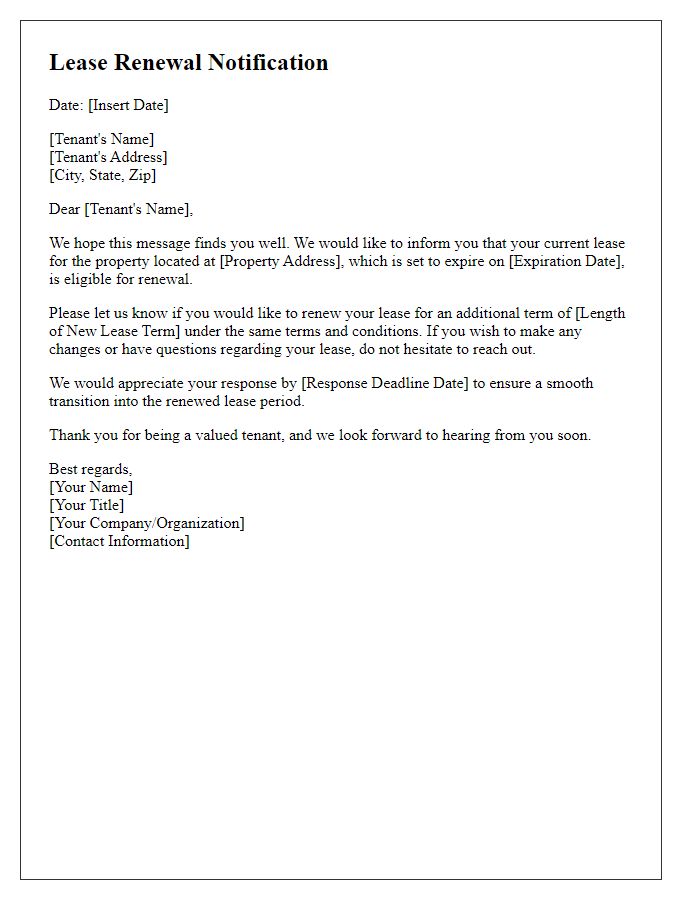
A renewal of lease agreement letter request should also avoid unsupported statements about what a landlord or tenant is legally required to accept. Lease rights vary according to the contract and jurisdiction. A carefully written letter can request a specific outcome while leaving legal conclusions to the governing agreement and applicable rules.
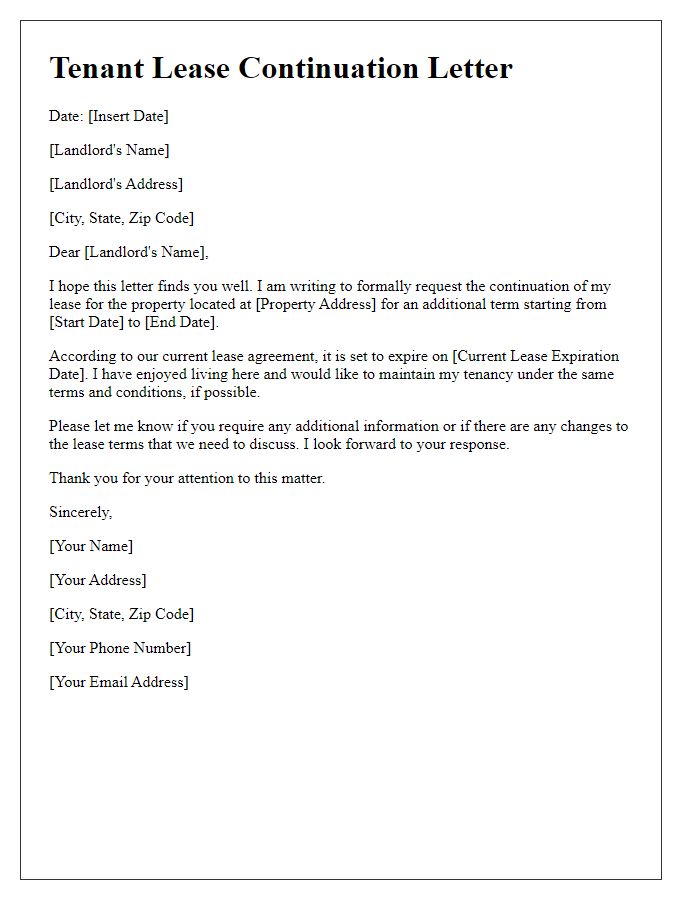
For readers seeking a lease renewal letter pdf template, the most useful design is one that preserves this same clarity in a printable format. The file type itself does not make the letter more authoritative. What matters is that the final document accurately reflects the parties, property, dates, proposed terms, and requested action.
Common Renewal Letter Formats
There is no single format that fits every renewal situation. A simple tenant request may be one page and contain only the current lease end date, requested extension, and contact information. A landlord’s renewal offer may need additional space for revised rent, security deposit, utilities, parking, or other conditions. A commercial renewal may require even more detail because the premises and contractual terms can be more complex.
A concise format works well when both parties already understand the arrangement. A more detailed format is appropriate when the renewal includes several changes. In either case, headings or short lists can make the document easier to scan. The letter should not attempt to reproduce the entire lease unless there is a specific reason to do so.
Another useful format is a confirmation letter sent after the parties have already agreed on the renewal. This document can record the new start date, end date, rent, and other confirmed terms. It can then point the recipient toward the formal renewed agreement for the complete contractual language.
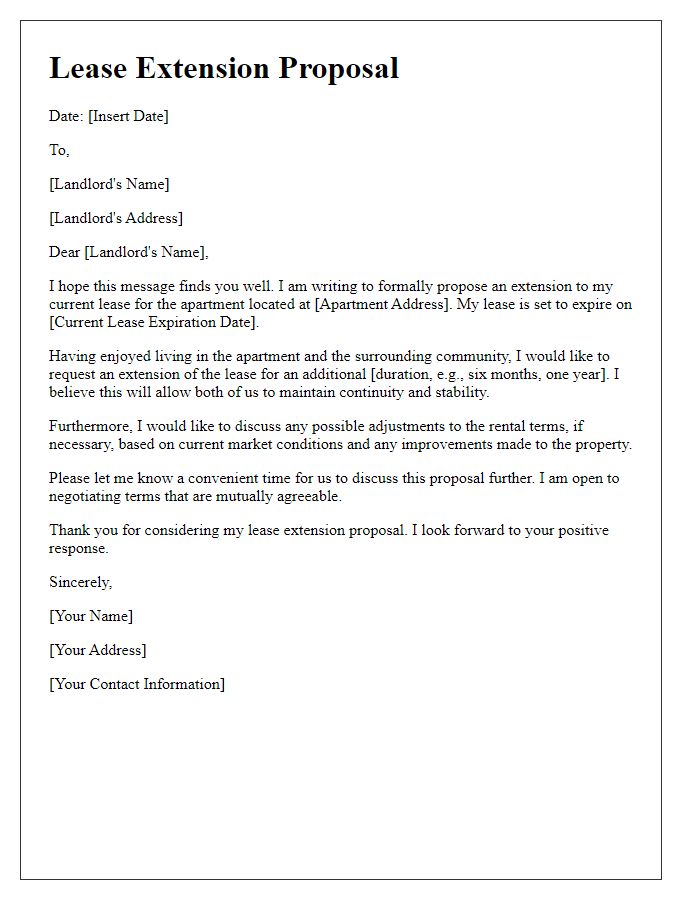
A lease renewal letter sample to tenant can be adapted for residential, commercial, apartment, office, or other rental arrangements, but the writer should not copy irrelevant clauses from another type of tenancy. The document should reflect the actual property and relationship. For example, an office renewal may discuss business premises while a residential letter may address the dwelling and household-related conditions.
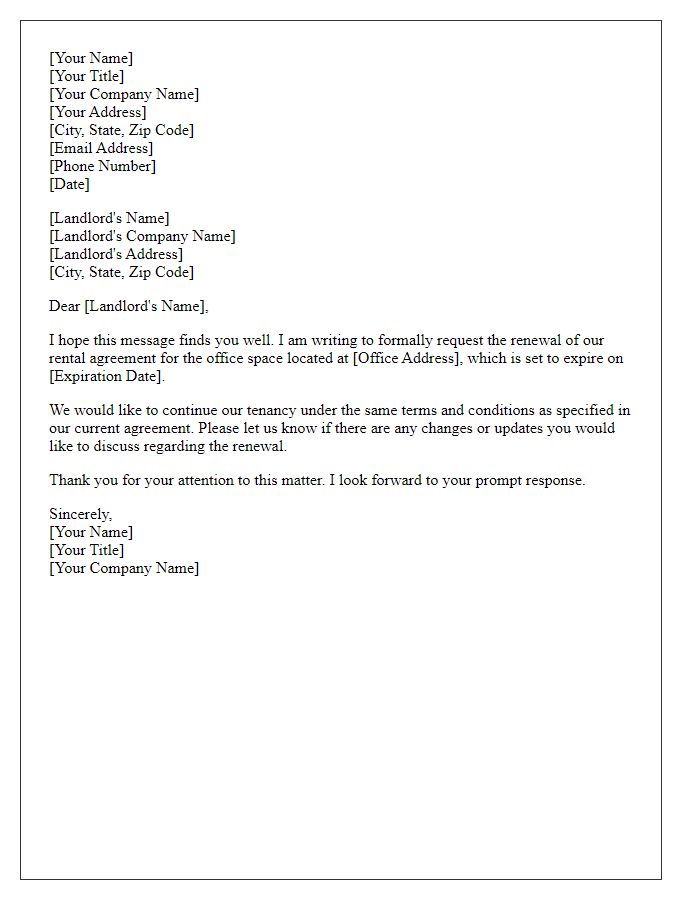
The same principle applies when using a request to renew lease letter template pdf. A template can provide a layout and reminder of common fields, but every placeholder should be replaced with verified information. Dates, names, property details, rent figures, and response instructions should be checked before the document is sent.
Practical Solution
The most practical approach is to begin with the existing lease rather than with the letter itself. Locate the original agreement, identify the exact expiration date, review any renewal or notice provisions, and note any amendments that affect the tenancy. Then decide whether the letter is a request, offer, proposal, confirmation, or acknowledgment. This first step prevents the common mistake of using a generic template that does not match the actual rental arrangement.
Next, gather the information that will appear in the letter: full names, property address, unit number, current lease dates, desired renewal term, current rent, proposed rent if applicable, material changes, contact information, and response date. Keep confirmed facts separate from negotiation points. If the writer is asking for a renewal rather than presenting settled terms, say so clearly instead of filling in uncertain figures.
After preparing the first draft, compare it line by line against the current lease. Check that the property description is correct, the expiration date matches the agreement, and every proposed change is intentional. Remove statements that could create confusion about whether the letter itself is the final renewed contract. A concise final paragraph should identify the requested next action, such as confirming interest, discussing terms, or signing the appropriate renewal agreement.
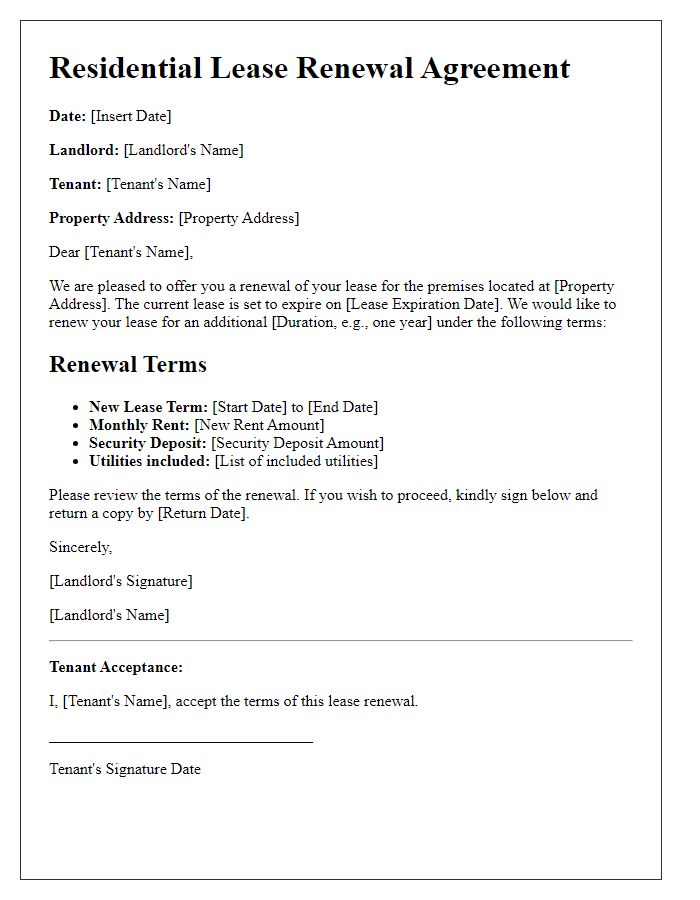
The final step is to preserve a reliable record. Keep the completed letter, the version of the lease it references, and any later written confirmation together. If the renewal is accepted, make sure the final signed agreement reflects the terms discussed in the correspondence. If there is disagreement about a deadline, rent change, notice period, or legal requirement, review the governing lease and obtain qualified local advice rather than relying solely on a generic template.
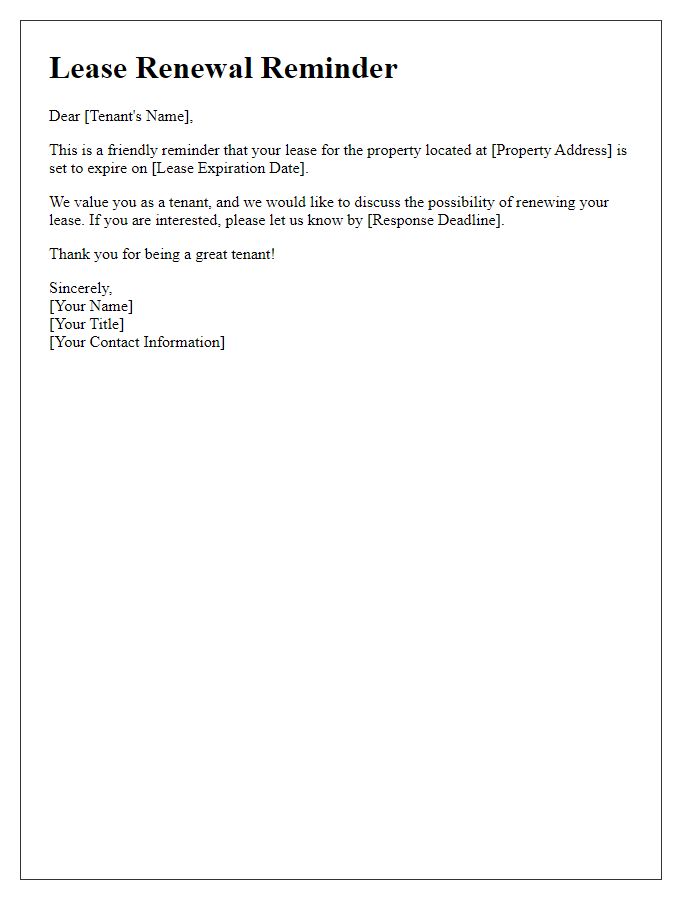
This workflow also makes it easier to adapt the document for different audiences. A tenant can emphasize the desired continuation and request the landlord’s terms. A landlord can emphasize the proposed renewal conditions and response process. A property manager can use a consistent structure while still reviewing each lease individually. The objective is not to make every letter identical, but to make every important fact clear.
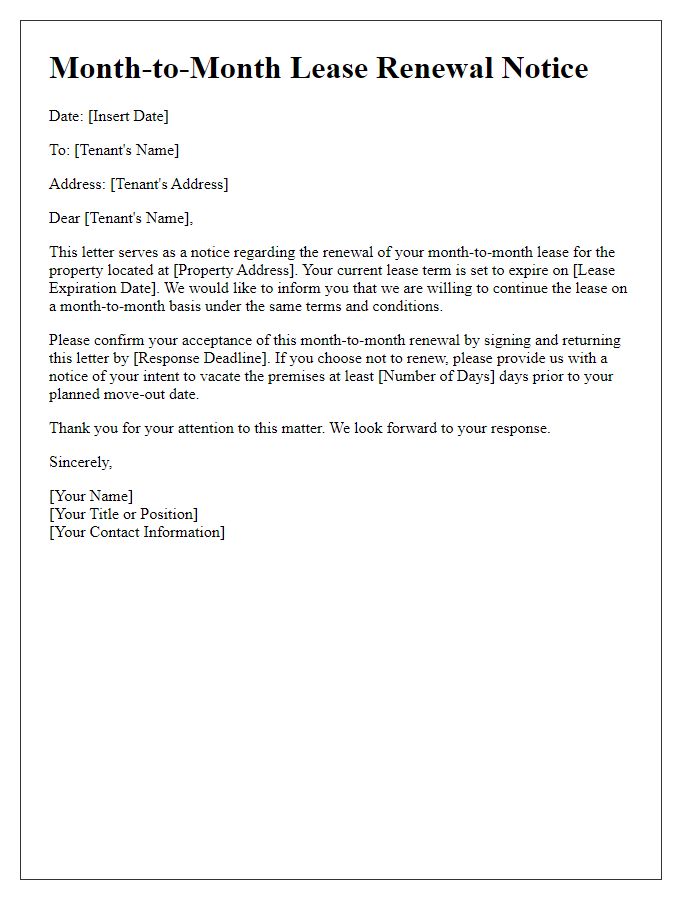
Writing the Letter Step by Step
Begin with a professional header containing the sender’s name and contact details, the date, and the recipient’s information. A clear subject line should identify the property and purpose. For example, “Request to Renew Lease — [Property Address]” is more informative than a subject line that simply says “Renewal.” The salutation should address the landlord, tenant, or property manager by the appropriate name.
The opening paragraph should establish the current lease and its expiration date. The second paragraph should state the renewal request or proposal. If the writer wants a particular duration, include it. If the writer wants to discuss the terms first, say that instead. This distinction makes the letter more accurate because the recipient can immediately tell whether the document contains a definite proposal or an initial request for discussion.
The middle section should address the important terms. These may include monthly rent, lease duration, security deposit, payment arrangements, utilities, parking, maintenance responsibilities, occupancy, or other conditions that are actually relevant. A short list can be more readable than several long sentences. Do not add terms simply because they appear in another template; include only information that relates to the real renewal.
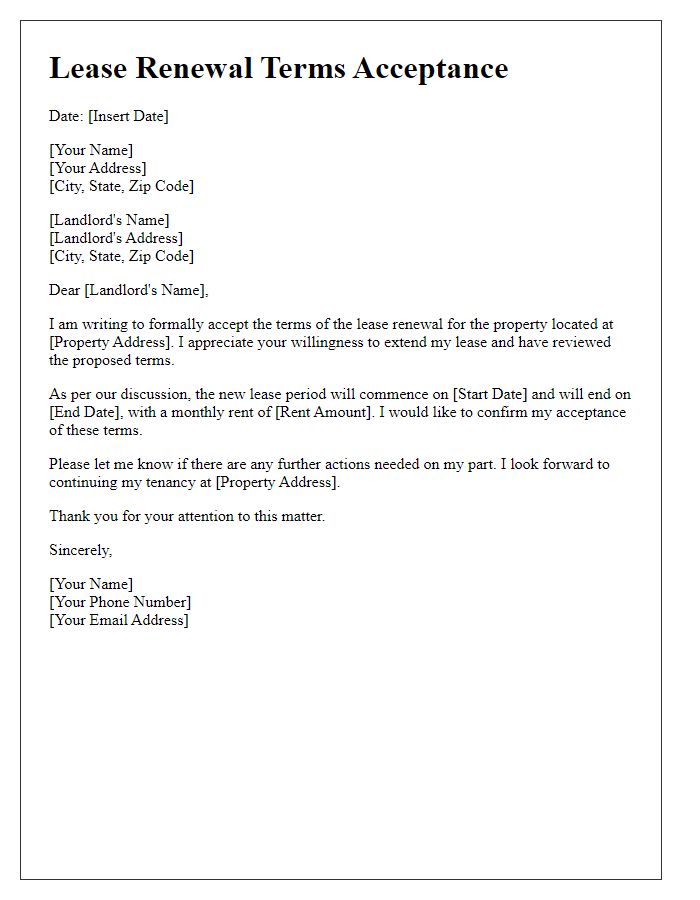
The closing should state the requested next action. A tenant can ask for confirmation of renewal terms. A landlord can ask the tenant to respond by a stated date. A party confirming an agreement can state that the discussed terms have been recorded and ask whether anything further is required. Finish with the sender’s name and appropriate contact information.
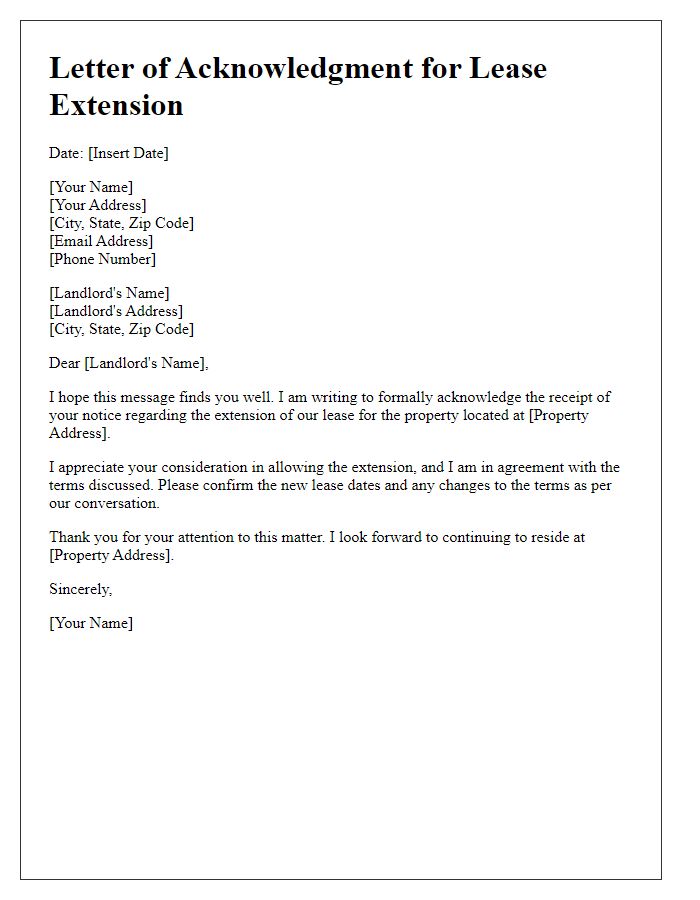
When searching for a request to renew lease letter template for landlord, remember that a landlord-facing template and a tenant-facing template may have different purposes even when the layouts look similar. The sender should always rewrite the opening and closing so they accurately reflect who is requesting renewal and who is being asked to respond.
Common Mistakes to Avoid
One common mistake is leaving important placeholders unresolved. A document that still says “[Lease Expiration Date]” or “[New Rent Amount]” is not ready to send. Before delivery, verify every name, date, property detail, figure, and response instruction. A second common mistake is accidentally carrying information from an unrelated property or prior lease into the new correspondence.
Another mistake is treating a template as a substitute for reviewing the existing lease. Templates are organizational tools, not universal statements of legal requirements. The original agreement may contain a renewal option, notice procedure, automatic continuation provision, or other condition that affects how the parties should communicate. Local rules can also differ, particularly concerning notice periods and rent changes.
Writers should also avoid overly aggressive language. A renewal letter is often part of an ongoing landlord-tenant relationship, so a clear and respectful tone can make negotiations easier. Even when the writer wants a rent adjustment or different term, the request can be presented as a proposal. Clear language is generally more useful than emotional language or unsupported threats about what will happen if the recipient disagrees.
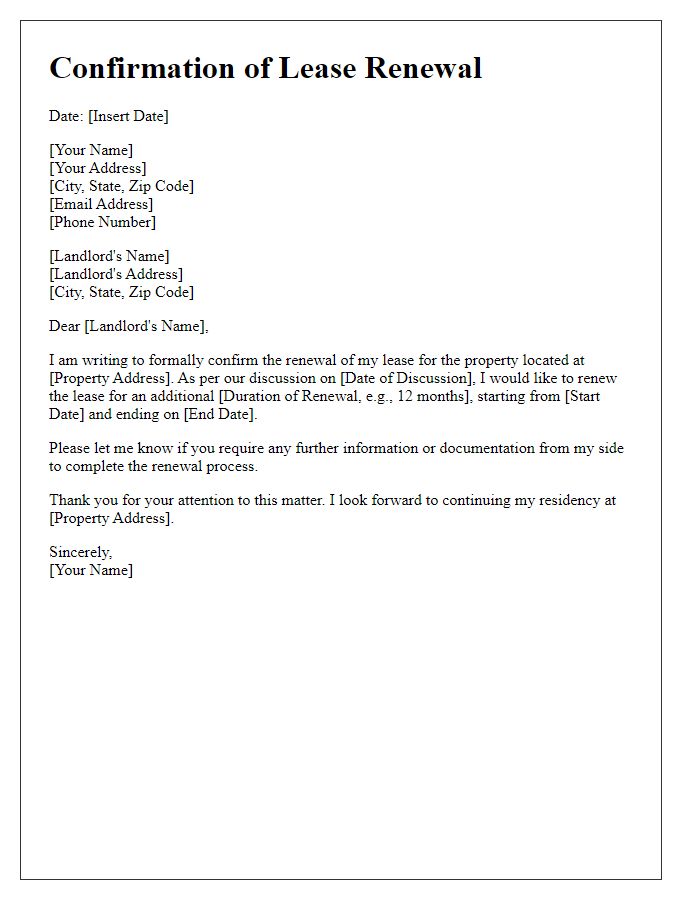
A final mistake is failing to distinguish a request from an acceptance. A tenant may request renewal without knowing whether the landlord agrees. A landlord may offer renewal without having received acceptance. A confirmation may document an agreement already reached. Using the correct description prevents the reader from misunderstanding the status of the negotiation.
Choosing the Right Wording for Your Situation
If you are a tenant who simply wants to remain in the property, use direct wording that identifies the current lease and requested extension. If you want the same rent and conditions, state that preference while recognizing that the final terms depend on the agreement between the parties and applicable rules. If you need to negotiate, identify the point you want to discuss rather than placing several unrelated requests into the opening paragraph.
If you are a landlord offering a renewal, identify the proposed lease period, rent, and important changes. Give the tenant a clear way to ask questions. If you have already reached an agreement, use confirmation language instead of presenting the correspondence as a new offer. This small wording difference can make the status of the communication much easier to understand.
If you need a document specifically for a tenant-to-landlord request, the phrase request to renew lease letter template for tenant describes the most relevant structure. If the goal is a landlord-to-tenant notice, a renewal offer or notice format will usually be more appropriate. The visual examples in this article demonstrate how these variations can look while keeping the central information organized.
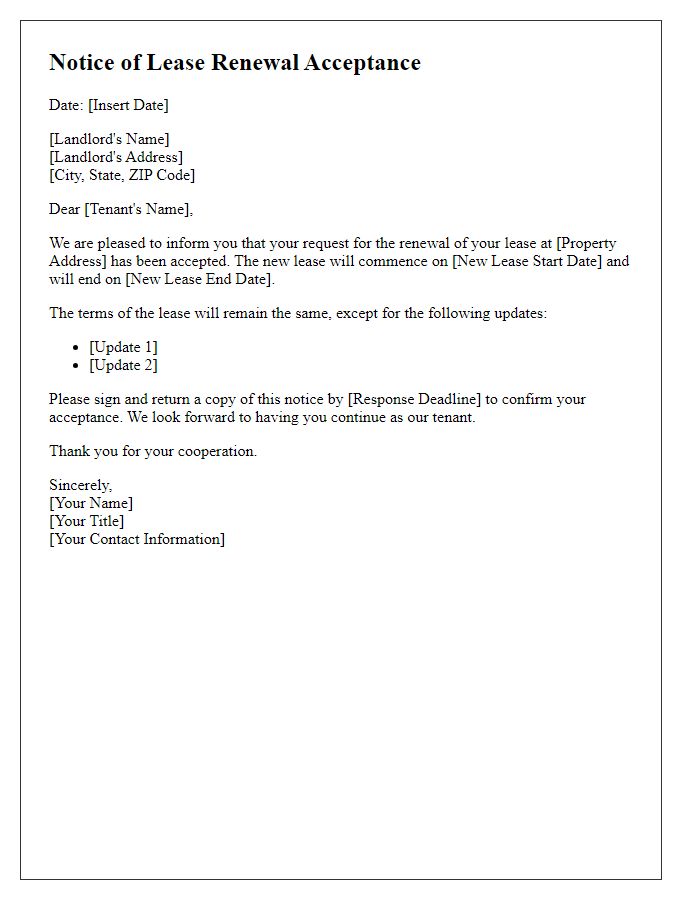
The best wording is ultimately the wording that accurately reflects the situation. A short, factual request can be stronger than a long letter filled with unnecessary explanations. When the renewal involves substantial changes or a legal dispute, the correspondence should remain factual and the parties should obtain appropriate professional advice before relying on assumptions about their rights.
Reference Examples
The following reference examples illustrate different visual approaches to a request to renew lease letter Template, including tenant requests, landlord notices, confirmation letters, acceptance messages, and formal agreement correspondence. The examples show recurring structural elements such as the sender and recipient details, property address, lease dates, proposed term, rental amount, response date, and signature area. These visual patterns are useful because they make it easier to recognize whether a document is intended as an initial request, a renewal offer, a confirmation, or an acknowledgment. They should be treated as formatting references rather than universal legal forms.
When evaluating a request to renew lease letter Template, pay particular attention to how clearly each example separates the existing lease information from the proposed renewal terms. A useful document should make the property and expiration date easy to identify, present financial or contractual changes without ambiguity, and tell the recipient what action is expected next. Comparing several examples can help you choose an appropriate level of detail for your own situation while avoiding unnecessary clauses or assumptions. The references below also demonstrate how the same core information can be arranged for different landlord and tenant communication purposes.
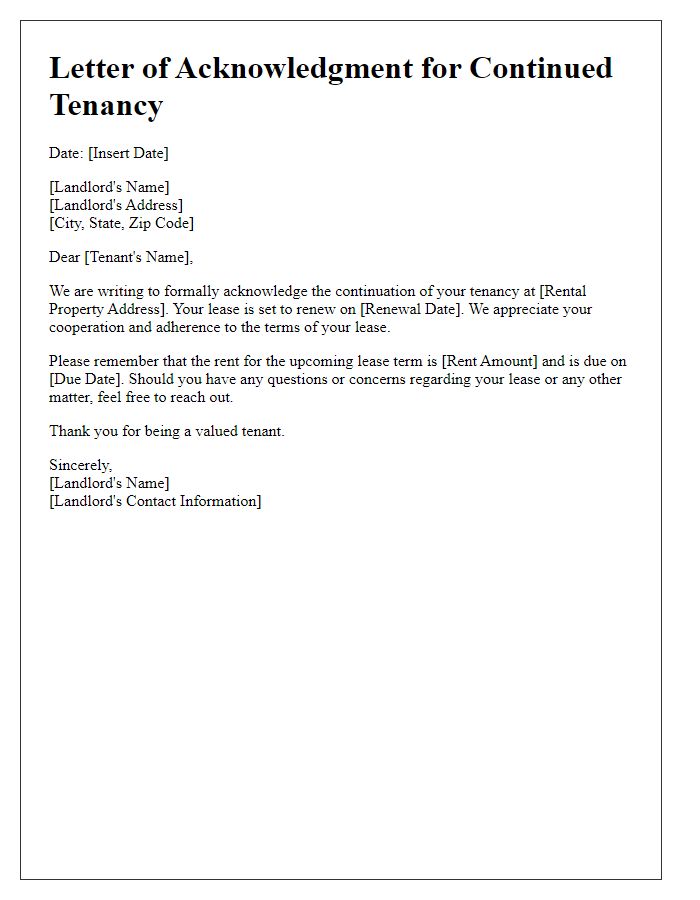
Letter of Acknowledgment for Continued Tenancy
Source: Letterin.net
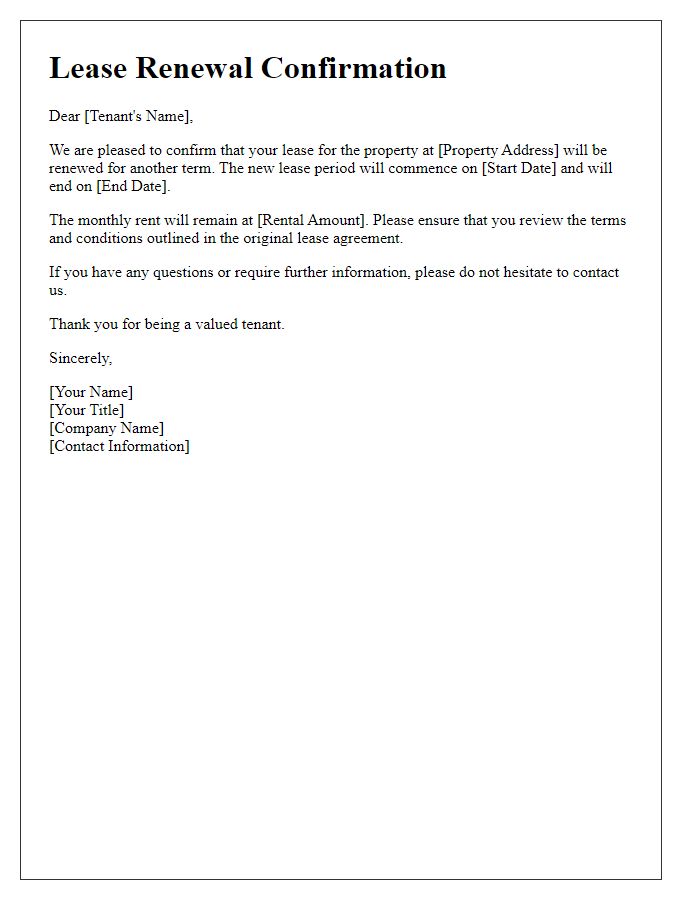
Lease Renewal Confirmation
Source: Letterin.net
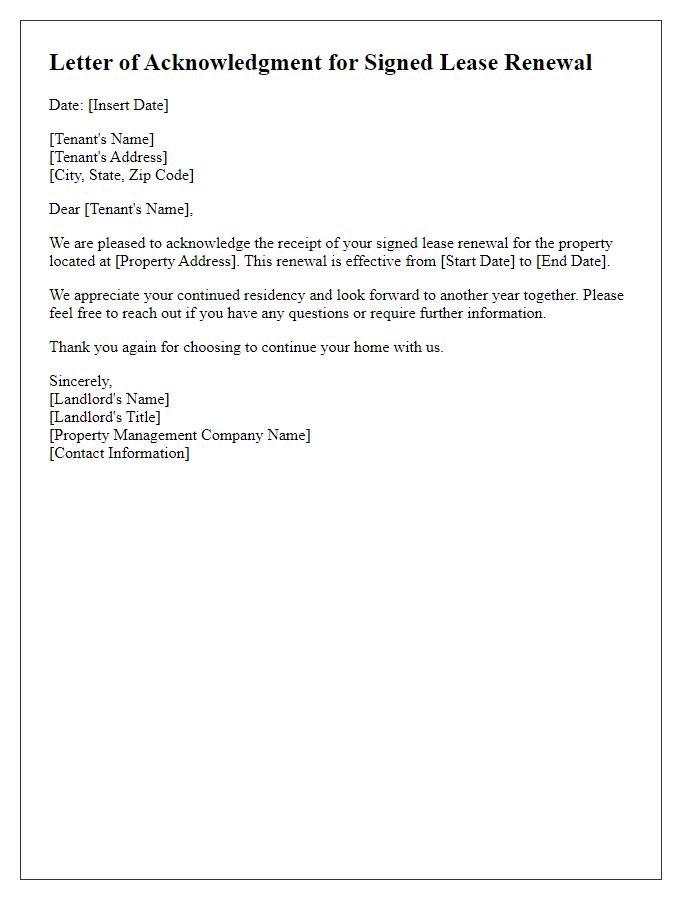
Letter of Acknowledgment for Signed Lease Renewal
Source: Letterin.net
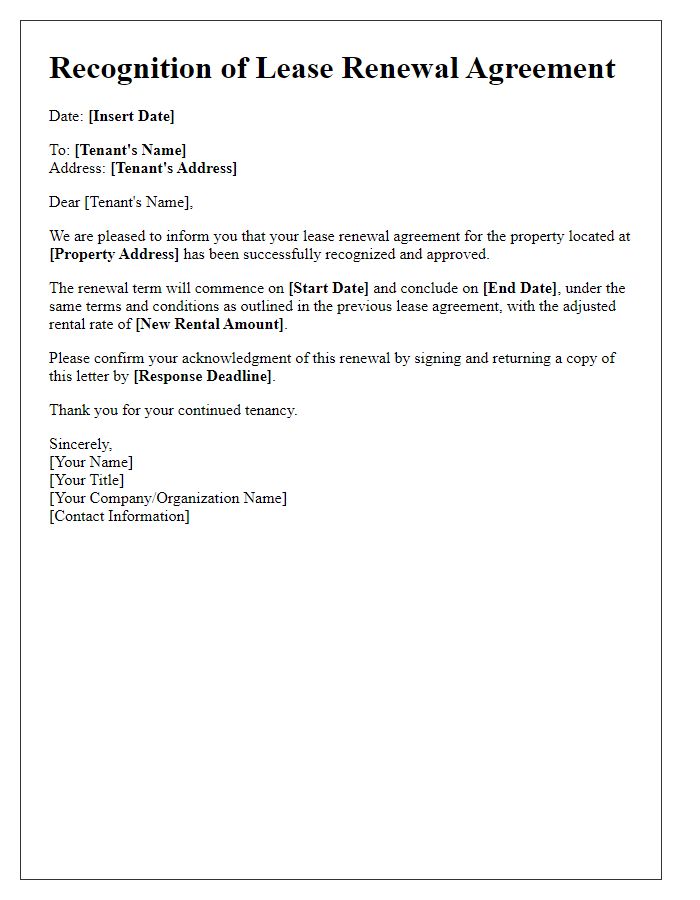
Recognition of Lease Renewal Agreement
Source: Letterin.net
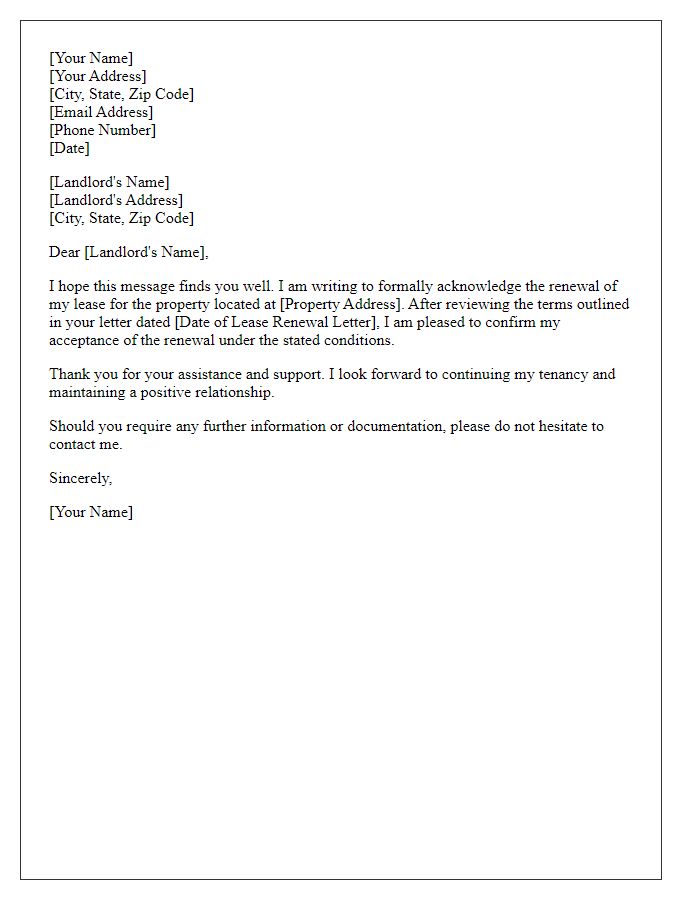
Formal Acknowledgment of Lease Renewal
Source: Letterin.net
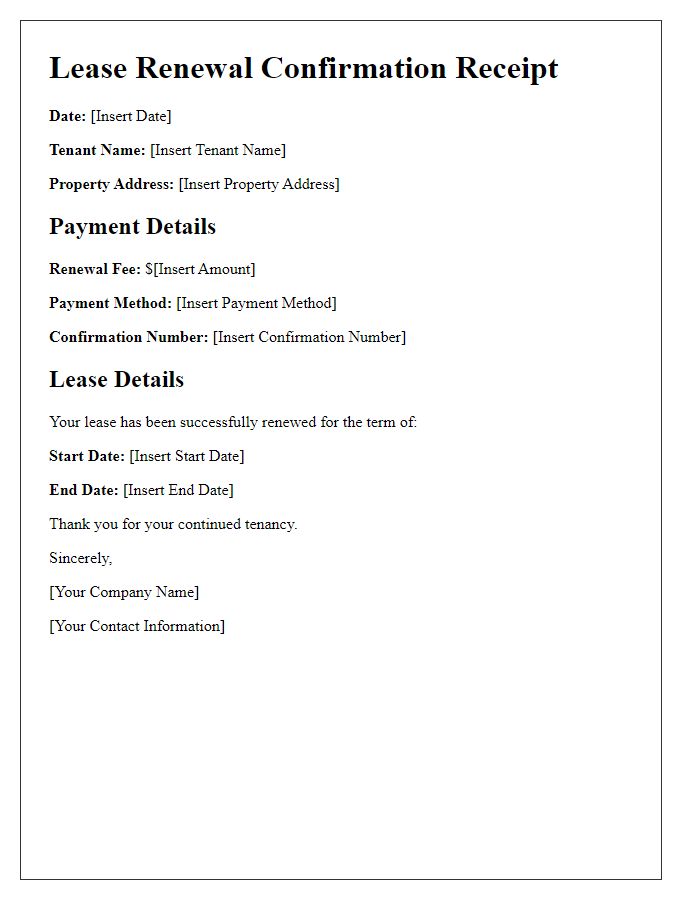
Lease Renewal Confirmation Receipt
Source: Letterin.net
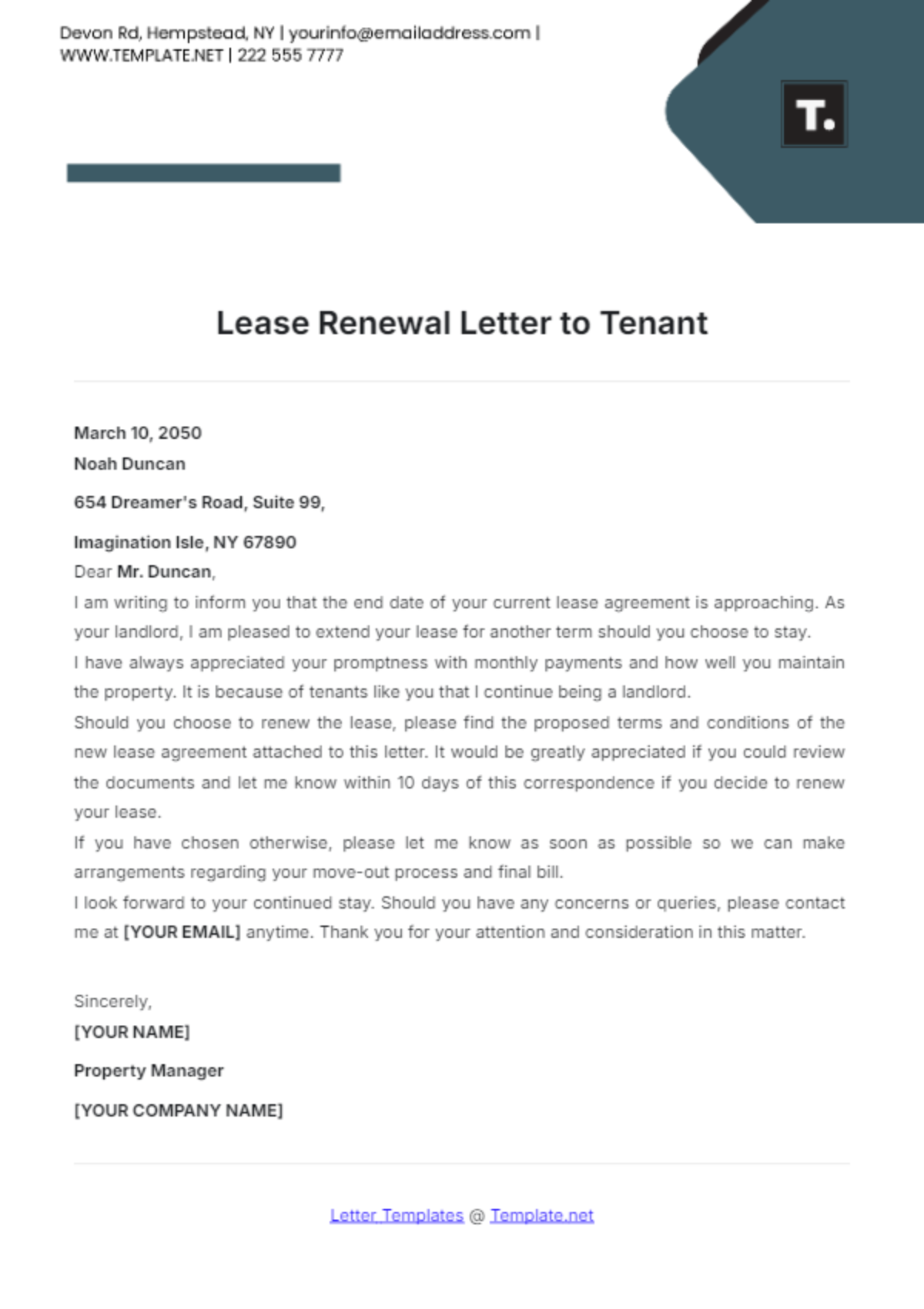
Lease Renewal Letter to Tenant
Source: Template.net
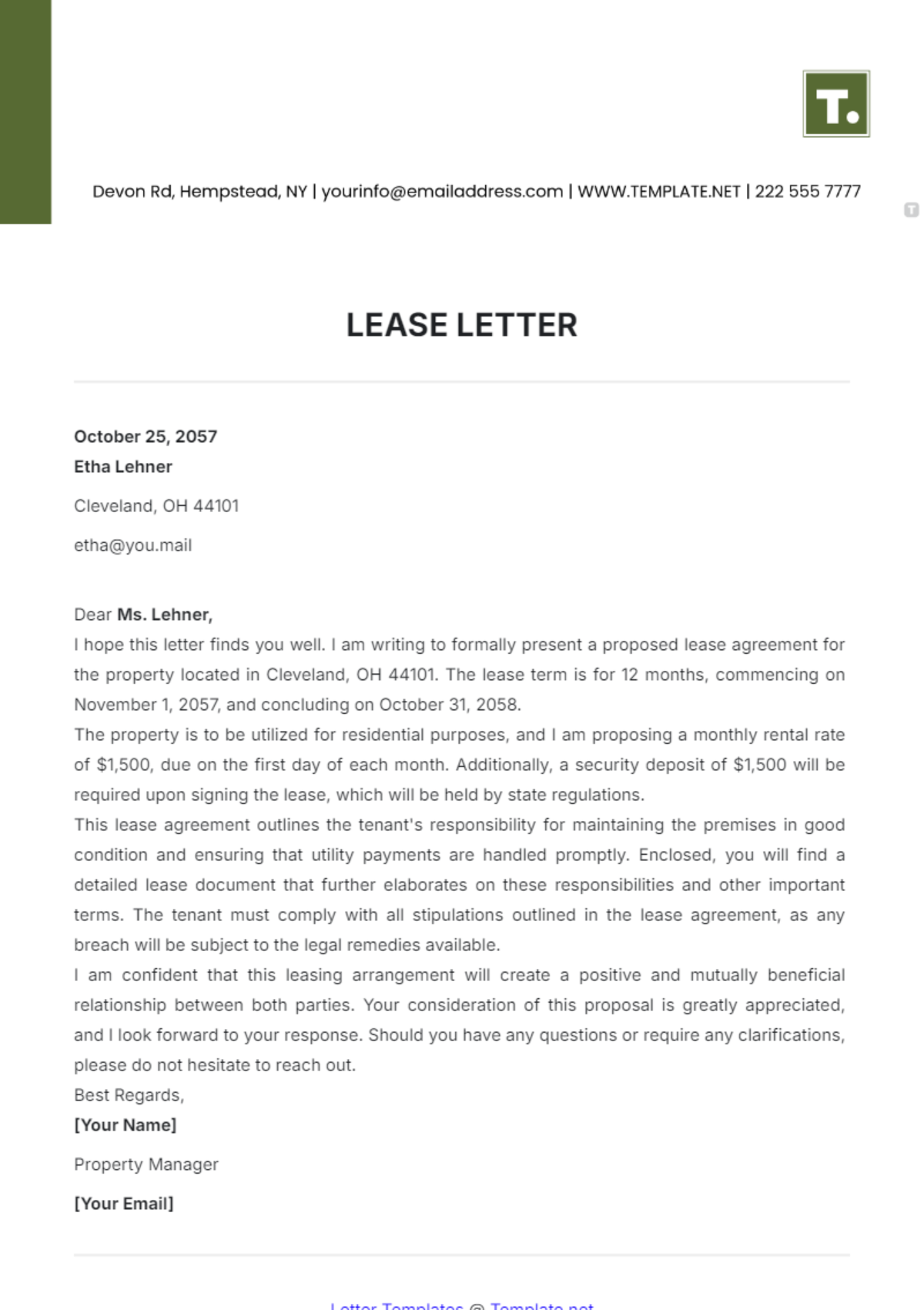
Lease Letter
Source: Template.net
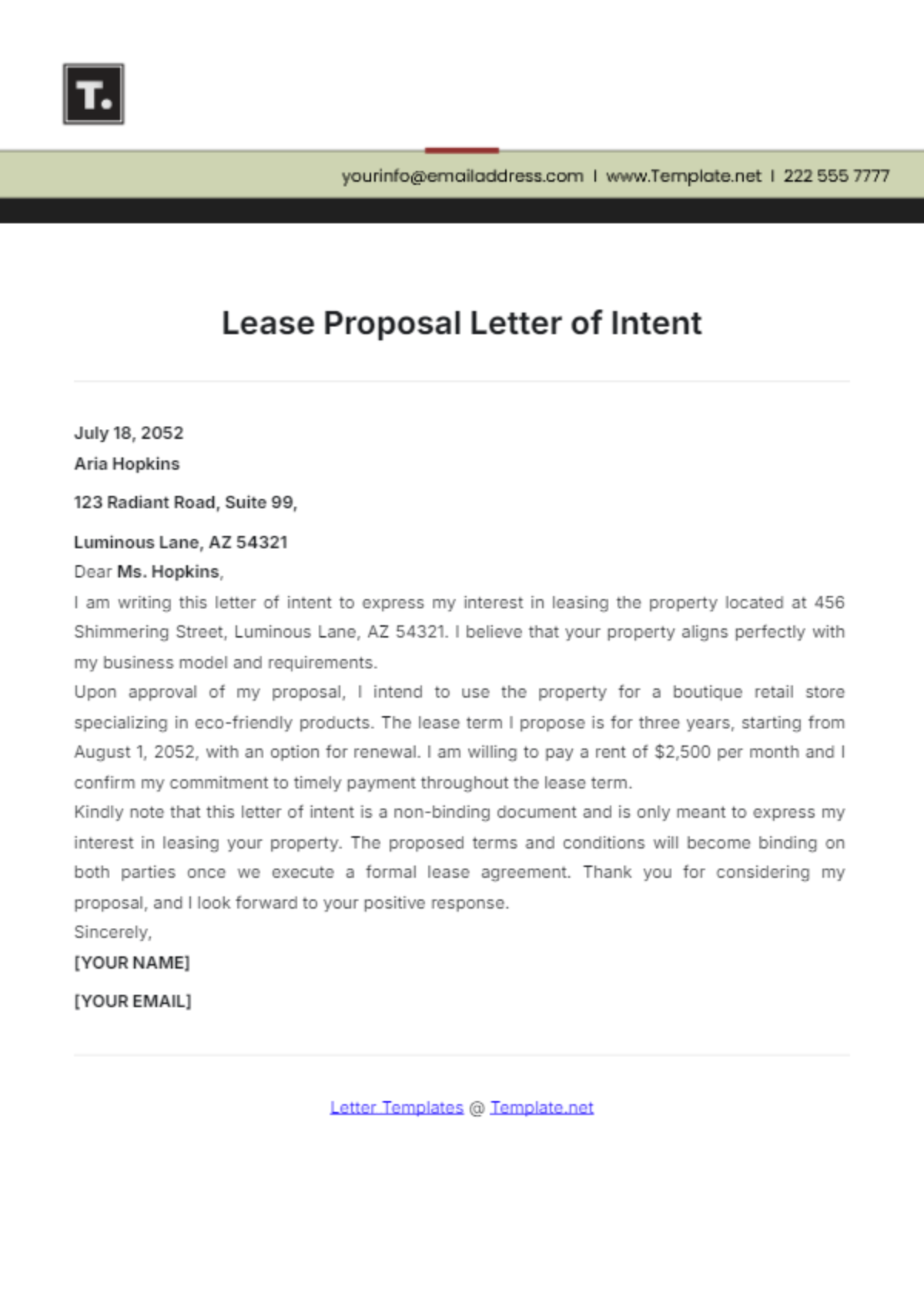
Lease Proposal Letter of Intent
Source: Template.net
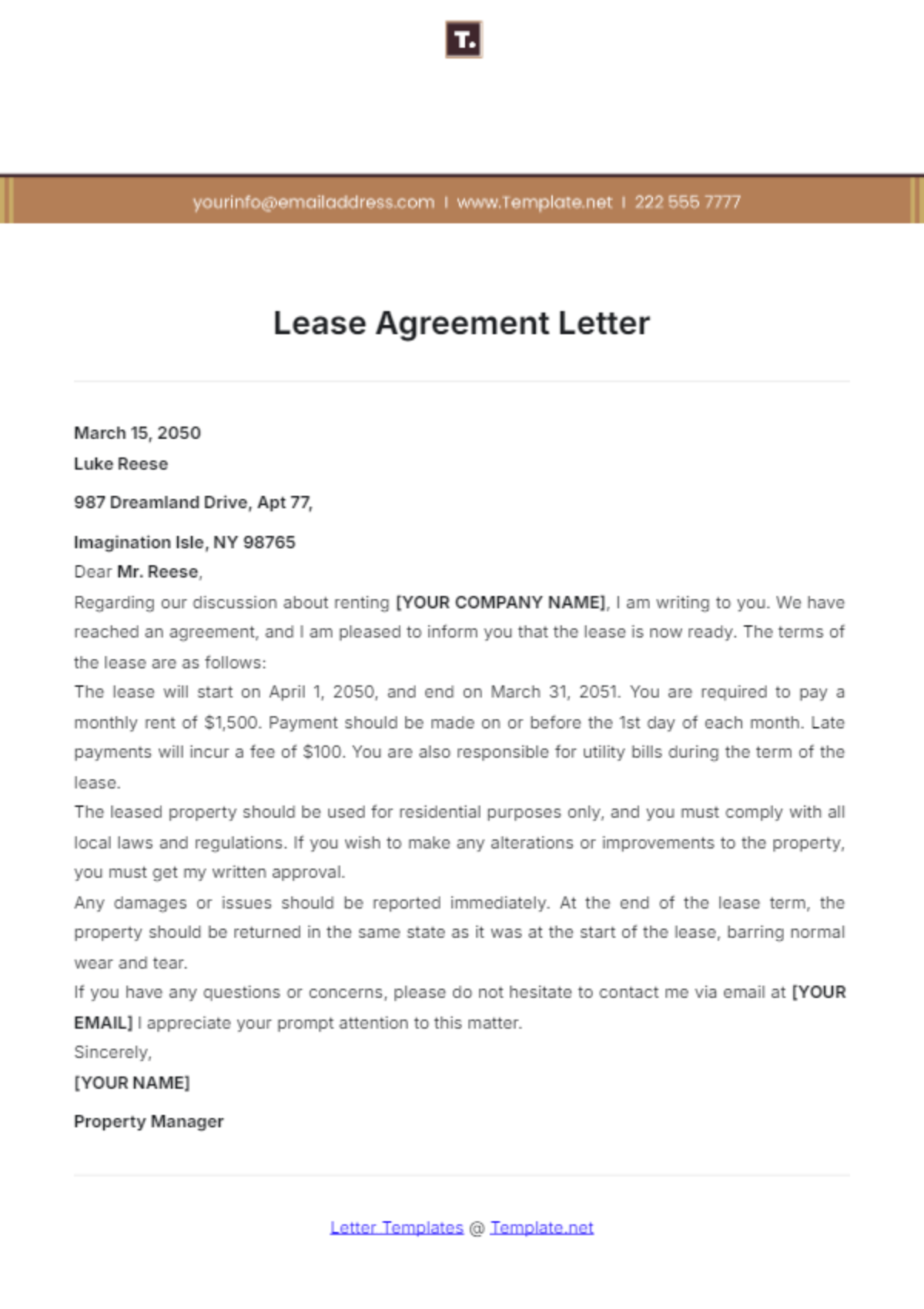
Lease Agreement Letter
Source: Template.net
